Eargo 8 vs. Philips HearLink 9050
Check out our comparison of the Eargo 8 vs Philips HearLink 9050. Listen to audio samples and see how the two hearing aids differ in terms of sound performance, features, accessories, and more.
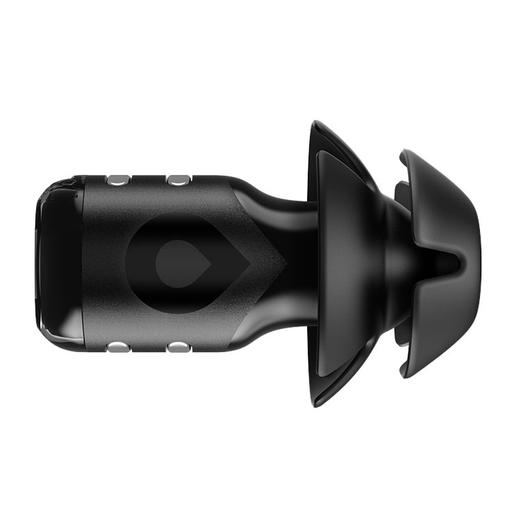
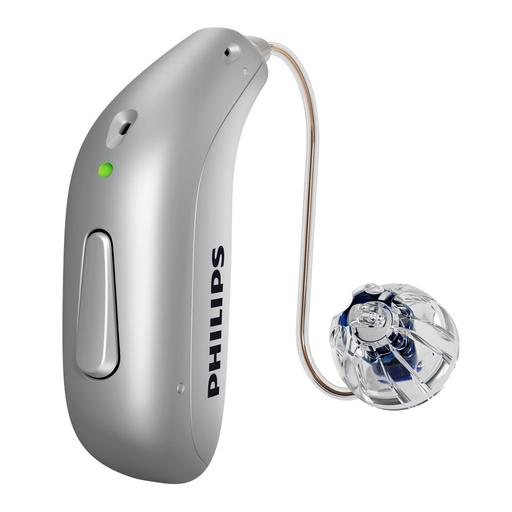
Product Overview
Expert Ratings
Compare comprehensive test results and expert opinions.
HearAdvisor SoundScore
Eargo 8 achieved a SoundScore of 2.8/5 and a SoundGrade of C in HearAdvisor lab testing. It ranked #39 of 63 OTC Hearing Aid devices tested. The OTC Hearing Aid category average SoundScore was 3.49/5.
Not yet rated by our experts
Build Quality
Eargo 8 hearing aids appear to be well build with an IP68 rating, offering great protection against moisture and debris. The portable charging case is also a nice addition and should protect Eargo well when not in use.
Not yet rated by our experts
Battery
Eargo are extremely small making their 16 hour rechargeable battery life impressive. The case offers additional on-the-go power and I found the magnetic charging bays a nice easy to use addition.
Not yet rated by our experts
App Features
I found Eargo's app to be packed full of useful features like the Sound Match hearing assessment and automatic noise reduction controls. You have plenty of options for personalization though adjustments are not always reliable as Eargo relies on phone speaker commands instead of Bluetooth.
Not yet rated by our experts
Comfort
Comfort will vary by individuals depending on your tolerance to a deeper fitting hearing aid. Overall, I found them moderately comfortable through they can cause a tickling ear sensation due to their fit.
Not yet rated by our experts
Design
Eargo's instant-fit, completely-in-the-canal, style is unique discrete. If you are interested in a nearly-invisible OTC hearing aid you will love their design.
Not yet rated by our experts
Handling
Handling can be challenging with Eargo 8 due to the small size and reliance on tap controls. Furthermore, Eargo relies on acoustic indicators for wireless communication, which is less reliable than Bluetooth and caused me several problems.
Not yet rated by our experts
Pro Support
Eargo is one of the first direct to consumer hearing aids, but support is unfortunately limited to to their Client Care team and personal hearing professionals. While Eargo claims they work alongside audiologists, it is not the same as direct professional hearing care.
Not yet rated by our experts
Lab Recordings
Listen to direct output recordings from our acoustic test lab.
Lab recordings not yet available
Lab recordings not yet available
HearingTracker partners with HearAdvisor to provide recordings and performance data from an acoustic laboratory that follows standard scientific procedures. All hearing aids are fitted and performance-tested for mild sloping to moderate hearing loss. All audio samples cutoff above 10kHz.
Accessories
Compatible accessories for each hearing aid
Charger (Eargo 8)
The Eargo 8 charger is a compact, USB-C and wireless-compatible case that provides up to 14 full charges, with clear LED indicators for device and case battery levels, Bluetooth pairing, and error states. It includes cradles with charging contacts, a reset button, and requires regular cleaning to ensure optimal device performance and hygiene.
Charger Plus miniRITE+1
A fast, portable charger for traveling light and charging on the go. Charge for a full day's power in 1 hour or get 4 hours of use from a quick 15-minute charge.
HearLink desk charger
A faster contact charger for a full day’s power in one hour, or up to four hours of hearing in only 15 minutes.
Eargo App+1
The Eargo app allows users to perform Sound Match personalization, select listening programs, and control volume and tone.
AudioClip+3
The Philips AudioClip is a hearing aid accessory that serves as a remote microphone to help you better hear one-to-one conversations in noisy environments or when listening to someone speak from a distance.
Remote Control
To turn the volume up and down on your hearing aids you can use the Philips HearLink app. In case you prefer using the Philips Remote Control we have this option as well.
HearLink 2 app+2
App allows you to change programs, adjust the volume, mute your hearing aids, activate streaming options and personalize your sound. You can also use the app to connect with your hearing care specialist if you need to have your hearing aid settings adjusted remotely.
TV Adapter
Connect the Philips TV Adapter to your TV so you hear the sound from the TV directly in your hearing aids. This allows you to watch TV at your preferred volume.
Hardware
- Made for iPhone (MFi)
- Android (ASHA)
- Bluetooth® Low Energy (LE)
- Bluetooth® Auracast™
- Made for iPhone (MFi)
- Android (ASHA)
- Bluetooth® Low Energy (LE)
- Program control
- Volume Control
- Mute control
- Power on/off
- Call accept/reject
- Tinnitus volume
- Airplane Mode
- Accept/end calls
Software Features
- Tuned based on hearing test through device
- Tuned based on audio preference selections