


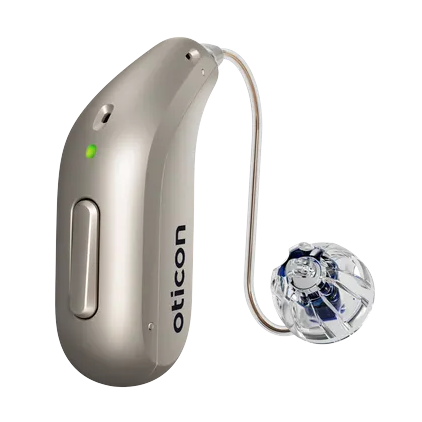
Oticon Reveal
- Receiver in Canal
- Prescription
- Rechargeable
- Bluetooth
- Telecoil
- IP68
Upgrading or buying your first hearing aids? Compare lab-tested performance, prices, brands and styles, with expert guidance to help you choose your next pair.
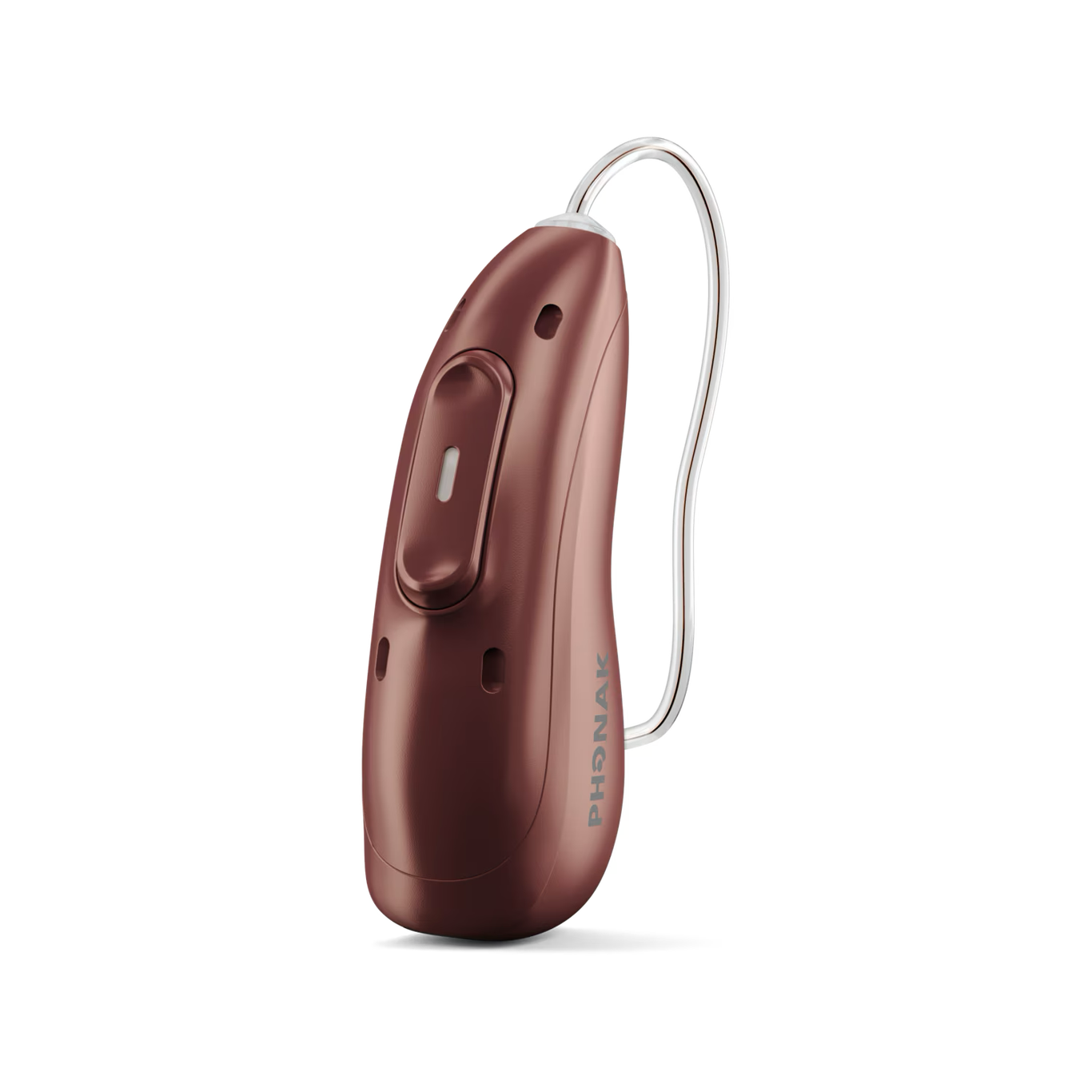
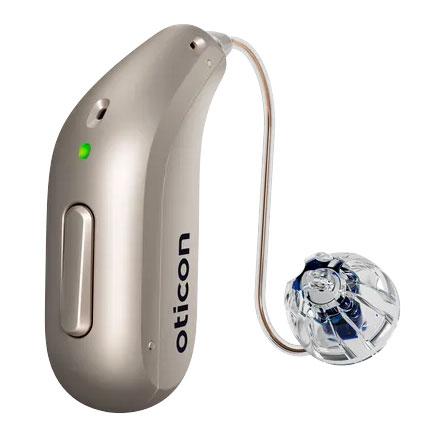
Two models from the research selection below. Not a recommendation. Compare these two, or pick any other pair on our comparison page.
Clinical expertise, independent editorial judgment, and firsthand experience with hearing loss.
At least a week of wear before hands-on ratings, including comfort, handling, and everyday use.
Our partner HearAdvisor uses repeatable lab tests to measure sound performance and calculate the SoundScore.
Our published method explains how lab results, ownership ratings, and price shape the HearingTracker Score.
We may earn commissions from purchase links. Partners cannot buy better ratings or approve conclusions. HearingTracker and HearAdvisor share a founder and personnel.
104 models across 53 product families, scored in HearAdvisor’s lab, with prices and sound samples. Pick up to four and put them side by side.
53 product families, 104 models
Hearing aid glossary
Looking that up…
Abbreviations describe the hearing aid’s style and buying category.
Our focused buying guides go deeper into different budgets, features, and listening priorities.
Explore lab-tested prescription, OTC, and earbud-style options, with listening results and trade-offs for each.
Read the background‑noise guide (new tab)Start with where the aid sits. Then consider comfort, handling, batteries, and connectivity with a hearing professional.
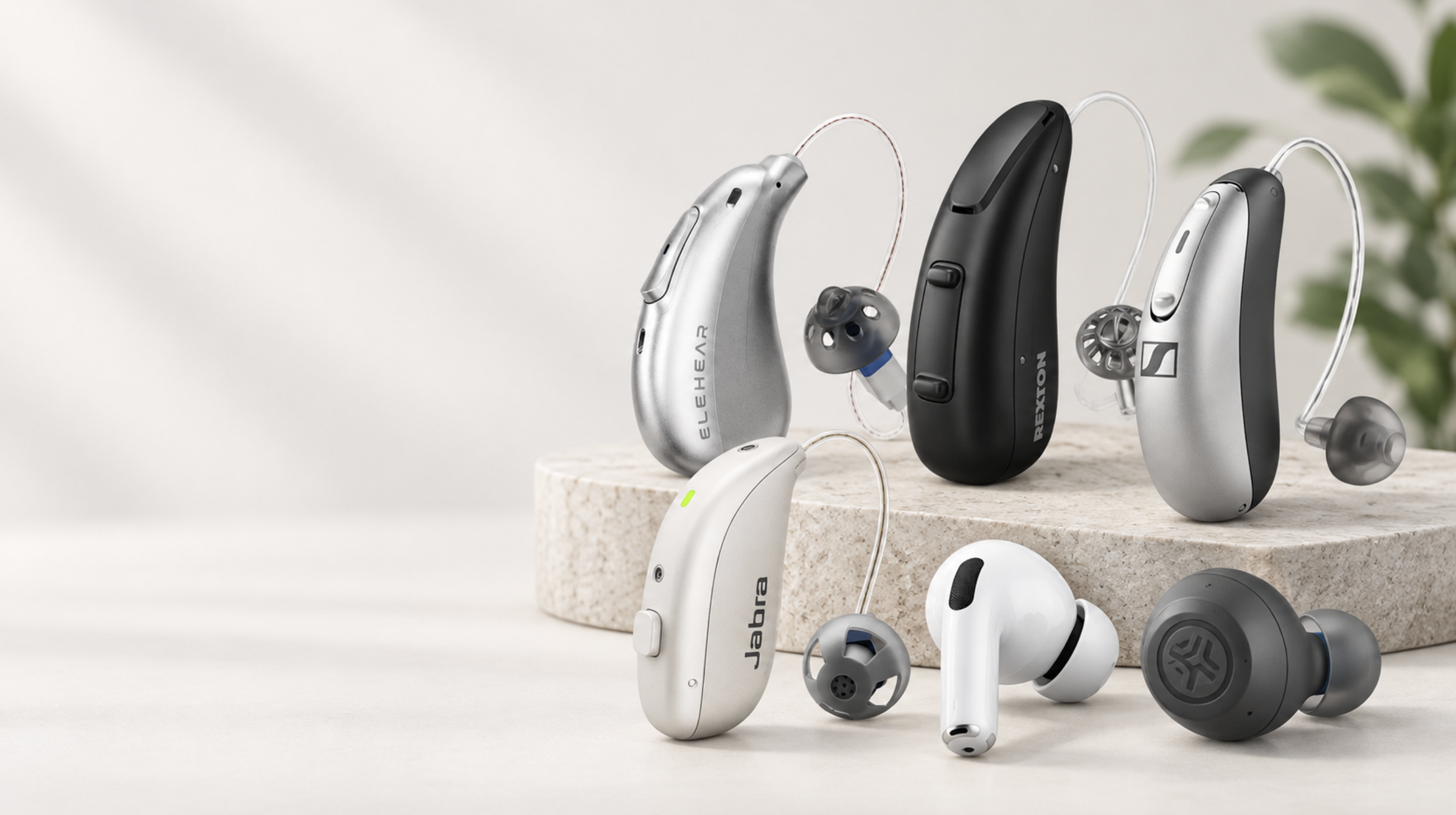
The research selection above uses receiver-in-canal styles only.
Explore more styles in the full directory (new tab)Two quotes for the same hearing aids can include very different care. Some bundle fitting and follow-up into the price; others charge separately. Compare the full cost, then check what insurance or financial help could take off your bill.
Hearing aids make sounds more audible for people with hearing loss. Your hearing, comfort, daily listening, and support needs all matter when choosing a pair.
A microphone picks up sound, electronics process and amplify it, and a small speaker (the receiver) delivers it to your ear. A rechargeable or replaceable battery supplies power.
How hearing aids work (new tab)Directional microphones help focus on speech from a particular direction while reducing sounds from elsewhere. Some newer hearing aids also use AI noise reduction to help separate speech from background noise. How much these features help depends on the hearing aid, its fitting, and the listening situation.
Find hearing aids for background noise (new tab)A remote microphone worn by a conversation partner or placed on a table sends their voice directly to compatible hearing aids. This can make conversation easier to follow in noise or across a room. TV streamers can send television audio straight to your hearing aids.
Hearing aid apps let you adjust volume and listening programs on your phone. Some also offer noise reduction controls or remote adjustments from a hearing professional. Available features depend on your hearing aids and phone.
Explore hearing aid accessories (new tab)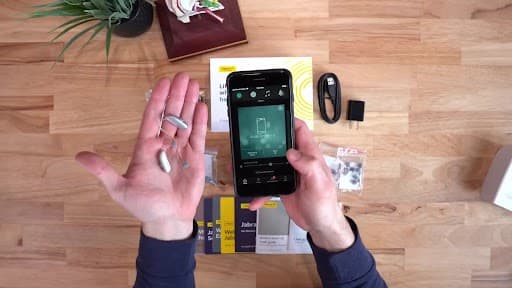
Consider handling small parts, charging or replacing batteries, phone compatibility, and difficult listening situations. A hearing professional can help you weigh the trade-offs.
Get help with the pair you have, from your first fitting to everyday connections and care.
Explore the choices together and make room for their preferences.
Bring the list to a conversation with a hearing care professional.
Prepare with the first-pair buying guide (new tab)Explore lineups and reviews beyond the research selection above, and choose where to get care.
Compare clinic chains, big-box retailers, online sellers, and care networks.