Oticon Zircon vs. ReSound Key

Check out our comparison of the Oticon Zircon vs ReSound Key. Listen to audio samples and see how the two hearing aids differ in terms of sound performance, features, accessories, and more.
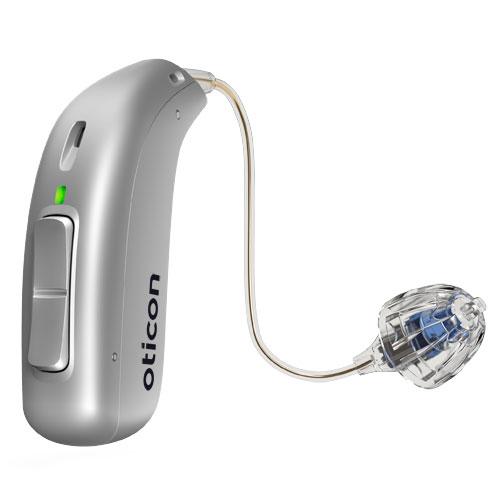
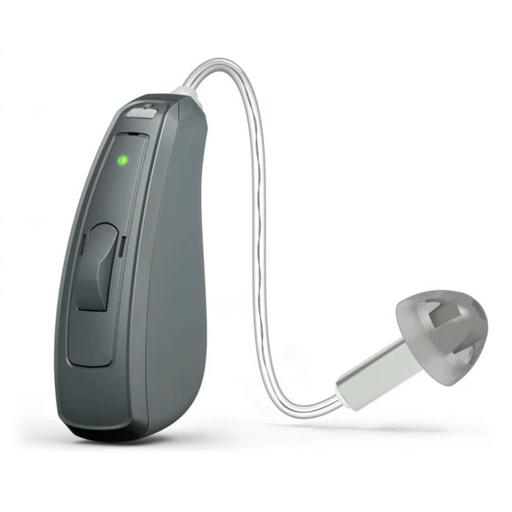
Oticon Zircon 1 miniRITE-R
Add Product
Featured Products
$2,798 per pair
Shop Now
ReSound Key RIE 61 4
Add Product
Featured Products
$2,799 per pair
Shop Now
Zircon
$2,798 per pair
Shop Now
Key
$2,799 per pair
Shop Now

Product Overview

Zircon
Key
Form Factor
Form FactorThis type of hearing aid sits behind the ear. A wire runs along the top of the ear and down to a speaker sitting inside the ear canal. An custom-fitted mold may be required.
Expert Rating
N/A
N/A
User Rating
2.59 reviews
4.01 reviews
Hearing Loss LevelHearing Loss LevelThis represents HearingTracker's best guess on suitability. Please consult a licensed audiologist to confirm your own candidacy for this device.
MildModerateSevere
MildModerateSevere
Product Features
Hands-freeRechargeableAndroidTelecoilIP68
RechargeableAndroidIP58

Accessories

Compatible accessories for each hearing aid

Zircon
Key
Battery Charger

Oticon charger

An overnight lithium-ion battery charge provides all-day power, and a 30-minute fast charge provides up to six additional hours of hearing aid use.

SmartCharger

The new SmartCharger includes a protective lid and built-in battery for charging when away from a power outlet. The drying function automatically removes moisture from your hearing aids.

Charger

CROS System

CROS PX

The new Oticon CROS PX is rechargeable and offers TwinLink™ dual streaming technology, which provides access to more sounds in challenging listening environments and handles wireless streaming at the same time.

None
Landline to Streaming

Phone Adapter 2.0

The Oticon Phone Adapter 2.0 enables hearing aid users to connect to their landline phones via the ConnectClip accessory. Wireless, hands-free phone conversations are enabled when the ConnectClip is worn on the body.

None
Remote Control

Remote Control 3.0

ConnectClip+3

Transmits audio to your hearing aids from a distance, lets you make hands-free phone calls, and adjusts your hearing aid volume and program settings.

Companion App+2

App that lets you adjust the volume, mute your hearing aids, and change listening programs. Includes streaming EQ and remote care.

Unite Remote Control 2

Gives you push-button control of volume and program settings on your hearing aids and lets you manage streaming accessories.

Unite Phone Clip++2

Small enough to clip onto your shirt collar, it streams phone calls and audio to your hearing aids from any Bluetooth-enabled mobile phone or smartphone.

Control++1

Remote Microphone
None

Multi Mic+3

A flexible remote microphone that can either be clipped to clothes or used as a tabletop mic for meetings. Use the mini-jack input for streaming audio from a music player to your hearing aids.

Micro Mic

A matchbook-sized remote wireless microphone that lets you hear from a distance up to 80 feet away.

Smartphone App

On App

Lets you control your hearing aids from your smartphone and interact with other Internet-connected devices and services.

ReSound Smart 3D app+2

Adjusts sound, volume and balance settings, tinnitus settings, and allows your provider to make remote adjustments to your hearing aid programs.

Smartwatch App
None

ReSound Smart 3D app [Watch]+1

TV Streamer

TV Adapter 3.0

Streams TV audio directly to your hearing aids at the volume you choose with an effective range of up to 45 feet.

Unite TV Streamer 2

Streams stereo sound from the television directly to your hearing aids from up to 22 feet away.

Hardware

Zircon
Key
Bluetooth® AudioBluetooth® AudioThis hearing aid is capable of streaming Bluetooth® audio certain phones and/or devices.
  • Made for iPhone (MFi)
  • Android (ASHA)
  • Made for iPhone (MFi)
  • Android (ASHA)
Disposable BatteriesDisposable BatteriesCommon disposable batteries last anywhere from a few days to two weeks or more. For more information Google "how long do hearing aid batteries last" and click on the Hearing Tracker link.
312
13
Hands-Free CallingHands-Free CallingIt is possible to have a hands-free phone call with this hearing aid. You are not required to hold the phone up to your mouth.
  • Made for iPhone (MFi)
  • Accessory required (Android)
  • Accessory required
IP RatingIP RatingIP Ratings rate sealing effectiveness of hearing aids against intrusion from foreign solid matter (dirt, dust) and moisture.
IP68
IP58
Push ButtonPush ButtonThe hearing aid features a push button which allows toggling across different sound processing programs
  • Program control
  • Volume Control
  • Mute control
  • Program control
  • Volume Control
Rechargeable BatteriesRechargeable BatteriesCharge your batteries overnight in a docking station and get a full day's use (in most cases) of battery life the following day.
Lithium-ion
Lithium-ion
TelecoilTelecoilThe hearing aid is able to pick up audio from landline telephones or public audio systems without using its acoustic microphones. This minimizes background noise and improves clarity and understanding, even over great distances. At performing arts venues, events, government meetings, etc., look for assistive listening systems (hearing loop, FM, and infrared systems), which must be provided at no cost under the Americans with Disabilities Act (ADA) and other international regulations.
Yes
Yes
Volume RockerVolume RockerA volume rocker or wheel to allows the adjustment of volume with a finger.
Yes
Yes

Software Features

Zircon
Key
Adjustment BandsAdjustment BandsThese are frequency-divided sections that can be adjusted in a hearing aid in order to amplify sounds. Although there are rarely more than 10 frequencies measured in a hearing assessment, having more bands that can be adjusted may allow for improved speech understanding and user comfort.
14
6
Adjustment SynchronizationAdjustment SynchronizationThis feature allows for a more pleasant listening experience by ensuring that both hearing aids process sound the same way. If one hearing aid changes its processing in response to noise or speech, it will send a wireless signal to the other hearing aid so both process sound in the same way.
No
Synchronized push buttonSynchronized push buttonThis feature allows for a more pleasant listening experience by ensuring that both hearing aids process sound the same way. If one hearing aid changes its processing in response to noise or speech, it will send a wireless signal to the other hearing aid so both process sound in the same way.Synchronized volume controlSynchronized volume controlThis feature allows for a more pleasant listening experience by ensuring that both hearing aids process sound the same way. If one hearing aid changes its processing in response to noise or speech, it will send a wireless signal to the other hearing aid so both process sound in the same way.
Automatic Phone ProgramAutomatic Phone ProgramHearing aids with this feature can detect when a phone is placed near them and automatically switch to a phone program. In this setting, the hearing aids will reduce background noise and increase the volume of the phone.
No
PhoneNow™PhoneNow™PhoneNow is a feature that automatically switches the hearing instrument to a phone program. If there is no telecoil in the hearing instrument, an acoustic phone program with a frequency response optimized for use with the phone is selected. If the hearing instrument also contains a telecoil, PhoneNow can be programmed to switch to inductive transmission of the phone signal through the telecoil. Regardless of the presence or absence of a telecoil in the hearing instrument, PhoneNow is activated through a small magnet that is affixed to the phone receiver.
Bass BoostBass BoostExtra amplification for lower tones.
No
Low Frequency Boost: BasicLow Frequency BoostUP receiver only
DirectionalityDirectionalityDepending on the types and number of microphones a hearing aid has, the hearing aid may be able to boost sounds from specific directions (by reducing sounds from other directions). This can be helpful to focus on a speaker directly in front of the hearing aid user, as well as to give the user information about where different sounds are coming from.
No
MultiScope Adaptive Directionality™MultiScope Adaptive Directionality™Allows the hearing care professional to set how wide the directional beam should be for each individual user.Natural Directionality™ IINatural Directionality™ IINatural Directionality II provides the listener with the benefits of both omnidirectional and directional modes simultaneously. This option eliminates the need for manual or automatic switching between omnidirectional and directional modes, as both modes are always available to the listener.SoftSwitching™SoftSwitching™SoftSwitching uses sound level and speech detection algorithms to decide when directionality is likely to be advantageous in a certain listening environment. It also offers the same four selections of MultiScope beamwidth settings: the default AutoScope, Narrow, Medium and Wide. The SoftSwitching mode differs from MultiScope Adaptive Directionality in that it uses slower transitions between directional settings and the omnidirectional setting, which is sometimes more comfortable and preferable among certain hearing aid users.Synchronized SoftSwitching™Synchronized SoftSwitching™SoftSwitching (synchronized between ears) uses sound level and speech detection algorithms to decide when directionality is likely to be advantageous in a certain listening environment. It also offers the same four selections of MultiScope beamwidth settings: the default AutoScope, Narrow, Medium and Wide. The SoftSwitching mode differs from MultiScope Adaptive Directionality in that it uses slower transitions between directional settings and the omnidirectional setting, which is sometimes more comfortable and preferable among certain hearing aid users.
Environmental AdaptationEnvironmental AdaptationThe hearing aid can detect different acoustical environments, like speech in noise, and adjust the sound of the hearing aid accordingly to drive comfort or speech understanding, etc.
No
Environmental ClassifierEnvironmental ClassifierThe Environmental Classifier is the basis for precise noise reduction and exceptionally comfortable transitions between listening environments. It’s the only hearing aid system that analyzes patterns of energy to distinguish speech from other sounds.
ExpansionExpansionExpansion reduces audibility for very soft sounds. This can help to remove microphone noise, which is generated by soft environmental sounds.
No
On/Off
Feedback SuppressionFeedback SuppressionIf any sound amplified by the hearing aid escapes the ear canal, it may reach the hearing aid’s own microphone and cause a harsh whistling noise. Some hearing aids are able to recognize when this feedback occurs and reduce or eliminate it.
Feedback ShieldFeedback ShieldEmploys an ultra-fast and effective feedback management system that prevents feedback without compromising sound quality or audibility.SuperShieldSuperShieldSuperShield feedback management system prevents feedback before it occurs, so patients can enjoy a better hearing experience without interruptions from unwanted whistling and squealing.
Auto DFS™Auto DFS™Auto DFS also consists of two cancellation filters; one is slow-adapting the other is fast-adapting. The fast-adapting filter estimates the feedback path for a few seconds every time the hearing aid is turned on. This updates the slow-acting filter, which then continues to monitor the feedback path based on the estimation of the fast-acting filter. When the hearing aid is turned off, the slow-adapting filter stores the estimation obtained over the course of the weartime. When the hearing aid is turned on again, the slow-acting filter has a more accurate “picture” of the feedback path in that particular ear than it did in the previous use.DFS Ultra™ IIDFS Ultra™ IIDFS Ultra II analyzes and models the incoming sound and uses this information to prevent the feedback cancellation filters from attacking desired sounds. This results in excellent feedback cancellation performance without creating disturbing sound quality artifacts.Music Mode™Music Mode™The Music Mode feature in DFS Ultra II controls feedback while maintaining a more accurate representation of music. It provides excellent sound quality without tonal artifacts for hearing aid users who enjoy or play music, giving users a clearer, richer distortion-free music experience.
Frequency LoweringFrequency LoweringUnderstanding certain speech sounds is dependent on the high frequency parts of these sounds. For individuals with high frequency hearing loss, this feature can take high frequency speech information and move it to lower frequencies where it will be audible.
Speech Rescue™Speech Rescue™Makes high frequency sounds more audible
No
Listening ProgramsListening ProgramsNumber of manually accessible listening programs (using push button, remote, app, or other switching method)
No
Fully flexible programs: 4Fully flexible programsCustom listening programs
New User AdaptationNew User AdaptationProvider may set the hearing aid to gradually get louder over the first few weeks or months of a new hearing aid fitting. This can be convenient for new users who want to experience maximum benefit without making a lot of trips to the provider for tune ups.
No
Synchronized Acceptance ManagerSynchronized Acceptance ManagerSynchronized Acceptance Manager gives a gradual and automatic increase of the gain in the hearing aid over time.
Noise ReductionNoise ReductionThis feature uses modern hearing aids’ processing power to examine the incoming sound signal, determine if noise is present and reduce the volume of the troublesome sound to increase comfort.
No
NoiseTracker™ II: On/OffNoiseTracker™ IINoiseTracker II uses a technology called spectral subtraction. Spectral subtraction works by subtracting the short-term noise spectrum from the signal, leaving only the speech portion behind ... ReSound’s NoiseTracker II is able to use spectral subtraction successfully because the Environmental Classifier has identified speech and noise so precisely.
Phone Ear FocusPhone Ear FocusWhen on a phone call, some hearing aids can focus amplification on the phone ear and reduce amplification in the non-phone ear.
No
Comfort Phone™Comfort Phone™Comfort Phone utilizes the bilateral wireless synchronization between hearing instruments to identify the “phone ear” and the “non-phone ear.” The amplification for the non-phone ear is then attenuated by 6 dB.
Power On DelayPower On DelayWhen you close the battery door to turn on your hearing aid, the hearing aid won't start producing sound for a certain amount of time. This can alleviate whistling (feedback) sound that sometimes occurs while inserting your hearing aid.
No
SmartStart™SmartStart™The SmartStart delays the switch-on time of your hearing instrument 10 seconds after you have closed the battery compartment. As you insert the instrument in your ear, you may hear beeps at one second intervals. After the instrument beeps ten times, it will turn on.
Processing ChannelsProcessing ChannelsThese are all the frequency-divided sections the hearing aid is able to examine at a single time. The hearing aid uses this information to determine whether the contents of each section are noise, speech, or something else and amplify the sound in each section accordingly.
48
No
Spatial Noise CancellationSpatial Noise CancellationThis feature recognizes where sounds are coming from and can reduce noise coming from behind or to the side of the listener. This helps the listener focus on the speaker, usually in front of them.
OpenSound Navigator™: OnOpenSound Navigator™OpenSound Navigator™ cleans excessive background noise in a 360° radius quickly and effectively – even noise coming from the same direction as speech. To ensure background noise does not intrude on the listening experience, it can even remove noise between words. Noise reduction can be adjusted to meet individual needs in simple and complex environments.
No
Streaming Bass BoostStreaming Bass BoostBoosts bass when streaming audio
Yes
No
Sudden Loud Noise ReductionSudden Loud Noise ReductionThis feature detects loud sounds and reduces their volume to a comfortable level. Though not a replacement for hearing protection, this technology can greatly improve listener comfort.
Transient Noise Management: On/OffTransient Noise ManagementProtects against sudden loud sounds with fast recovery to preserve audibility; offers four different levels for fine tuning, including ‘off’
Impulse Noise Reduction: On/OffImpulse Noise ReductionReduces amplification for sudden, brief noises.
Tinnitus ReliefTinnitus ReliefTinnitus, or ringing in the ears, can be addressed by hearing aids in several different ways, such as introducing a soft therapeutic signal or targeted notched noise.
Tinnitus SoundSupport™Tinnitus SoundSupport™Select from a wide range of customizable tinnitus relief sounds that are dynamic, yet soothing — including broadband sounds (white, pink and red noise) and natural, ocean-like sounds.
Tinnitus Sound GeneratorTinnitus Sound GeneratorThe tinnitus sound generator administers sounds that make the disturbing noise less noticeable and draw your attention away from the tinnitus.
Unique Amplification StrategyUnique Amplification StrategyHearing aids all process sounds a little bit differently. Sometimes it varies even within one model.
Speech Guard™Speech Guard™Hearing aids all process sounds a little bit differently. Sometimes it varies even within one model.
WARP compression: 12WARP compressionFrequency Warping is a technique to map the frequency analysis directly to a logarithmic scaling. By using appropriate warping parameters, we get a scaling that is very close to models of the critical bands of the human auditory system.
Wind Noise ReductionWind Noise ReductionAs wind blows against the microphones of hearing aids, unpleasant noise may be generated. Some hearing aids have the ability to recognize this wind noise and reduce its level. Such reductions may also affect the audibility of desired sounds, like speech.
Wind Noise ManagementWind Noise ManagementProtects against the discomfort of wind noise
Wind Guard: On/OffWind GuardWhen no wind noise is found, the hearing aid constantly updates and stores the sound input levels in each Warp band. Then, when wind is present, WindGuard calculates the amount of gain reduction needed to return to the stored level of the specific bands affected by wind noise.