Philips HearLink 9050 vs. Zepp Clarity Pixie

Check out our comparison of the Philips HearLink 9050 vs Zepp Clarity Pixie. Listen to audio samples and see how the two hearing aids differ in terms of sound performance, features, accessories, and more.
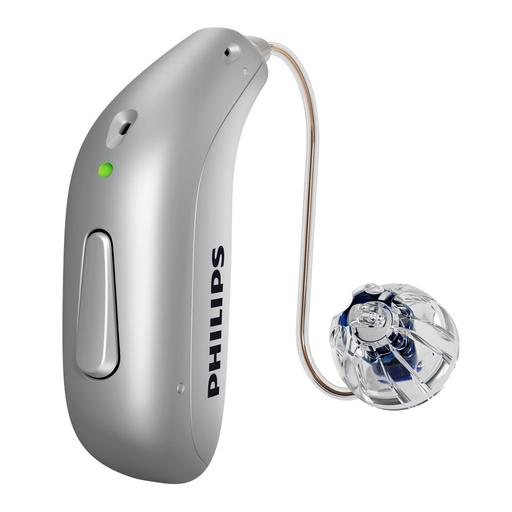
Philips HearLink 9050 miniRITE
Add Product
Featured Products
$1,599.99 per pair
Shop Now
Score
3.2
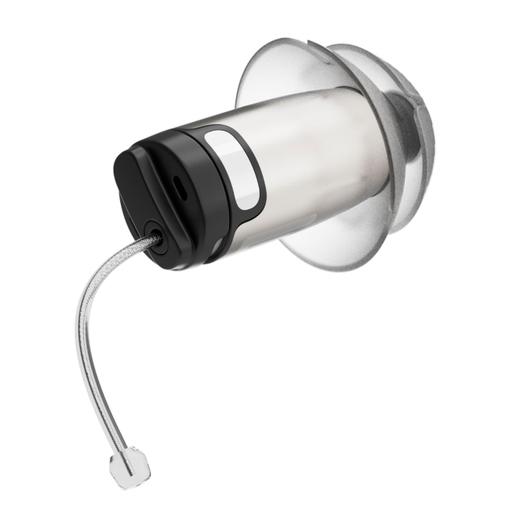
Zepp Clarity Pixie
Add Product
Featured Products
Zepp Clarity

Pixie

SoundScore 3.9/5
$949 per pair
Shop Now
HearLink 9050
$1,599.99 per pair
Shop Now
Pixie
$949 per pair
Shop Now

Product Overview

HearLink 9050
Pixie
Form Factor
Form FactorThis type of hearing aid sits behind the ear. A wire runs along the top of the ear and down to a speaker sitting inside the ear canal. An custom-fitted mold may be required.
Form FactorNon-custom device that typically sits completely inside the ear canal. Some of the device may be visible to the naked eye.
Expert Rating
N/A
Score
3.2
User Rating
3.719 reviews
Hearing Loss LevelHearing Loss LevelThis represents HearingTracker's best guess on suitability. Please consult a licensed audiologist to confirm your own candidacy for this device.
MildModerateSevere
MildModerate
Product Features
Hands-freeRechargeableiPhoneAndroidTelecoilIP68
Rechargeable

Expert Ratings

Compare comprehensive test results and expert opinions.

HearLink 9050
Pixie

HearingTracker Score

HearLink 9050

Not yet rated by our experts

Pixie
3.2BELOW AVERAGE

Zepp Pixie are a unique OTC hearing aid offering useful wireless app features, a discrete size, near all-day battery life, and more. From a price and performance perspective, Pixie beats Eargo, its closest competitor, on both counts.

Read full review

HearAdvisor SoundScore

HearLink 9050

Not yet rated by our experts

Pixie
3.9ABOVE AVERAGE

Zepp Clarity Pixie achieved a SoundScore of 3.88/5 and a SoundGrade of B in HearAdvisor lab testing. It ranked #17 of 61 OTC Hearing Aid devices tested. The OTC Hearing Aid category average SoundScore was 3.47/5.

Build Quality

HearLink 9050

Not yet rated by our experts

Pixie
4.2AVERAGE

Zepp Pixie appear to be well built although their IP rating of X7 suggests regular cleaning and maintenance will be key to long-term protection from dust and debris.

Battery

HearLink 9050

Not yet rated by our experts

Pixie
3.4BELOW AVERAGE

With a battery life of 17 hours, Zepp Clarity should last your entire day without needing to recharge. The portable charger is also robust and the added on-the-go power is a nice addition.

App Features

HearLink 9050

Not yet rated by our experts

Pixie
3.9AVERAGE

The Zepp app offers useful features for customizing the sound quality to your preferences. Be sure to complete the on-ear assessment within the More tab.

Comfort

HearLink 9050

Not yet rated by our experts

Pixie
4.0AVERAGE

I found Zepp Clarity comfortable however, they sit deeper in your ear which may not suit everyone's preferences or needs.

Design

HearLink 9050

Not yet rated by our experts

Pixie
5.0EXCELLENT

Clarity are small and sit almost completely in your ear canals. This can make them very desirable if you are looking for a discrete hearing aid option.

Value

HearLink 9050

Not yet rated by our experts

Pixie
3.1BELOW AVERAGE

Zepp Clarity Pixie has a value score of 3.1/5 based on lab performance and public display price.

Handling

HearLink 9050

Not yet rated by our experts

Pixie
3.0BELOW AVERAGE

Some may find the smaller size of Pixie more difficult to handle and see, especially if you have limited finger dexterity and or low vision.

Pro Support

HearLink 9050

Not yet rated by our experts

Pixie
1.0BELOW AVERAGE

Zepp currently offers technical assistance via phone, email, or directly through the Zepp mobile app. Additionally, the Support tab provides a helpful Q&A section should you need assistance.

Lab Recordings

Listen to direct output recordings from our acoustic test lab.

HearLink 9050
Pixie
Busy CafeBusy CafeSpeech intelligibility improvement in loud environments
Hear this scene unaided, for comparison
HearLink 9050

Lab recordings not yet available

Pixie
Quiet OfficeQuiet OfficeSpeech intelligibility improvement in quiet and moderate environments
Hear this scene unaided, for comparison
HearLink 9050

Lab recordings not yet available

Pixie

HearingTracker partners with HearAdvisor to provide recordings and performance data from an acoustic laboratory that follows standard scientific procedures. All hearing aids are fitted and performance-tested for mild sloping to moderate hearing loss. All audio samples cutoff above 10kHz.

Accessories

Compatible accessories for each hearing aid

HearLink 9050
Pixie
Battery Charger

Charger Plus miniRITE+1

A fast, portable charger for traveling light and charging on the go. Charge for a full day's power in 1 hour or get 4 hours of use from a quick 15-minute charge.

HearLink desk charger

A faster contact charger for a full day’s power in one hour, or up to four hours of hearing in only 15 minutes.

None
Remote Control

AudioClip+3

The Philips AudioClip is a hearing aid accessory that serves as a remote microphone to help you better hear one-to-one conversations in noisy environments or when listening to someone speak from a distance.

Remote Control

To turn the volume up and down on your hearing aids you can use the Philips HearLink app. In case you prefer using the Philips Remote Control we have this option as well.

HearLink 2 app+2

App allows you to change programs, adjust the volume, mute your hearing aids, activate streaming options and personalize your sound. You can also use the app to connect with your hearing care specialist if you need to have your hearing aid settings adjusted remotely.

None
TV Streamer

TV Adapter

Connect the Philips TV Adapter to your TV so you hear the sound from the TV directly in your hearing aids. This allows you to watch TV at your preferred volume.

None

Hardware

HearLink 9050
Pixie
AccelerometerAccelerometerThis hearing aid is capable of measuring acceleration through an embedded sensor.
Yes
No
Bluetooth® AudioBluetooth® AudioThis hearing aid is capable of streaming Bluetooth® audio certain phones and/or devices.
  • Made for iPhone (MFi)
  • Android (ASHA)
  • Bluetooth® Low Energy (LE)
  • Bluetooth® Auracast™
No
GyroscopeGyroscopeThis hearing aid is able to determine orientation using embedded sensors.
Yes
No
Hands-Free CallingHands-Free CallingIt is possible to have a hands-free phone call with this hearing aid. You are not required to hold the phone up to your mouth.
  • Made for iPhone (MFi)
  • Android (ASHA)
  • Bluetooth® Low Energy (LE)
No
IP RatingIP RatingIP Ratings rate sealing effectiveness of hearing aids against intrusion from foreign solid matter (dirt, dust) and moisture.
IP68
IPx7
Push ButtonPush ButtonThe hearing aid features a push button which allows toggling across different sound processing programs
  • Program control
  • Volume Control
  • Mute control
  • Power on/off
  • Call accept/reject
  • Tinnitus volume
  • Airplane Mode
No
Rechargeable BatteriesRechargeable BatteriesCharge your batteries overnight in a docking station and get a full day's use (in most cases) of battery life the following day.
Lithium-ion
Lithium-ion
Tap ControlsTap ControlsThe hearing aid may be controlled by physically tapping it with your fingers.
  • Accept/end calls
No
TelecoilTelecoilThe hearing aid is able to pick up audio from landline telephones or public audio systems without using its acoustic microphones. This minimizes background noise and improves clarity and understanding, even over great distances. At performing arts venues, events, government meetings, etc., look for assistive listening systems (hearing loop, FM, and infrared systems), which must be provided at no cost under the Americans with Disabilities Act (ADA) and other international regulations.
Yes
No

Software Features

HearLink 9050
Pixie
Adjustment BandsAdjustment BandsThese are frequency-divided sections that can be adjusted in a hearing aid in order to amplify sounds. Although there are rarely more than 10 frequencies measured in a hearing assessment, having more bands that can be adjusted may allow for improved speech understanding and user comfort.
Yes
No
AI Noise RemovalAI Noise RemovalArtificial Intelligence is utilized to remove or modify background noise from the sound signal to help isolate speech for better speech understanding.
AI Noise ReductionAI Noise ReductionHearLink 50 quickly removes background noise with the help of AI-powered technology, so speech is easier to understand in noisy environments.
No
Better Ear FocusBetter Ear FocusSome modern hearing aids can share sound from one ear to the other. In some cases the sound from the less noisy side can be shared to the other ear, enabling the listener to hear a cleaner sound in both ears.
Yes
No
Ear SimulationEar SimulationThe outer ear, or pinna, can have a significant effect on the frequency shape of sound arriving at your inner ear. Some hearing aids mimic the "pinna effect" when producing sound, to deliver more natural sound to the listener.
3 options
No
Extended bandwidthExtended bandwidthHearing aid provides amplification at frequencies (pitches) higher than the typical hearing aid.
10kHz
No
Extended Dynamic RangeExtended Dynamic RangeExtended dynamic range typically makes louder sound clearer. This may help with the reproduction of loud music or loud speech in a very noisy environment.
Yes
No
Feedback SuppressionFeedback SuppressionIf any sound amplified by the hearing aid escapes the ear canal, it may reach the hearing aid’s own microphone and cause a harsh whistling noise. Some hearing aids are able to recognize when this feedback occurs and reduce or eliminate it.
Yes
No
Frequency LoweringFrequency LoweringUnderstanding certain speech sounds is dependent on the high frequency parts of these sounds. For individuals with high frequency hearing loss, this feature can take high frequency speech information and move it to lower frequencies where it will be audible.
Yes
No
Handling noise reductionHandling noise reductionReduces noises related to hearing aid movement on the ear and noises related to hands or objects touching the hearing aid while worn.
Yes
No
Listening ProgramsListening ProgramsNumber of manually accessible listening programs (using push button, remote, app, or other switching method)
4
No
New User AdaptationNew User AdaptationProvider may set the hearing aid to gradually get louder over the first few weeks or months of a new hearing aid fitting. This can be convenient for new users who want to experience maximum benefit without making a lot of trips to the provider for tune ups.
Yes
No
Noise ReductionNoise ReductionThis feature uses modern hearing aids’ processing power to examine the incoming sound signal, determine if noise is present and reduce the volume of the troublesome sound to increase comfort.
No
Yes
Processing ChannelsProcessing ChannelsThese are all the frequency-divided sections the hearing aid is able to examine at a single time. The hearing aid uses this information to determine whether the contents of each section are noise, speech, or something else and amplify the sound in each section accordingly.
64
No
Self-fittingSelf-fittingThis hearing aid allows you to fit yourself without professional assistance. Typically found in OTC products.
No
Tuned based on audio preference selections
Soft Speech BoostSoft Speech BoostMore aggressive amplification for softer speech sounds
Yes
No
Spatial AwarenessSpatial AwarenessListening to sound through hearing aids is not a natural experience, and your ability to tell where a sound is coming from may be impacted by the way sounds are amplified with hearing aids. Some hearing aids attempt to fix this problem by preserving cues to sound localization like between-ear level differences, etc.
4 options
No
Spatial Noise CancellationSpatial Noise CancellationThis feature recognizes where sounds are coming from and can reduce noise coming from behind or to the side of the listener. This helps the listener focus on the speaker, usually in front of them.
Yes
No
Streaming Bass BoostStreaming Bass BoostBoosts bass when streaming audio
Yes
No
Sudden Loud Noise ReductionSudden Loud Noise ReductionThis feature detects loud sounds and reduces their volume to a comfortable level. Though not a replacement for hearing protection, this technology can greatly improve listener comfort.
SoundProtect Transient Noise Reduction: 6 optionsSoundProtect Transient Noise ReductionThis feature detects loud sounds and reduces their volume to a comfortable level. Though not a replacement for hearing protection, this technology can greatly improve listener comfort.
No
Tinnitus ReliefTinnitus ReliefTinnitus, or ringing in the ears, can be addressed by hearing aids in several different ways, such as introducing a soft therapeutic signal or targeted notched noise.
Tinnitus SoundSupportTinnitus SoundSupportTinnitus, or ringing in the ears, can be addressed by hearing aids in several different ways, such as introducing a soft therapeutic signal or targeted notched noise.
No
Unique Amplification StrategyUnique Amplification StrategyHearing aids all process sounds a little bit differently. Sometimes it varies even within one model.
SoundGuideSoundGuideBy using motion sensing technology to detect whether they are walking on a noisy street, sitting down with a loved one over coffee, or out and about with a group of friends, speech and other important sounds are now clearer than ever.SoundMap 3SoundMap 3SoundMap 3 uses AI Noise Reduction (AR-NR) and advanced directionality to carefully remove noise and prioritize speech in noisy environments...Speech ClarifierSpeech ClarifierSpeech Clarifier makes speech stand out in noise.
Clarity BoostClarity Boost"Clear voice comprehension"
Wind Noise ReductionWind Noise ReductionAs wind blows against the microphones of hearing aids, unpleasant noise may be generated. Some hearing aids have the ability to recognize this wind noise and reduce its level. Such reductions may also affect the audibility of desired sounds, like speech.
SoundProtect Wind Noise ManagementSoundProtect Wind Noise ManagementAs wind blows against the microphones of hearing aids, unpleasant noise may be generated. Some hearing aids have the ability to recognize this wind noise and reduce its level. Such reductions may also affect the audibility of desired sounds, like speech.
No