Sennheiser All-Day Clear vs. Yeasound RIC700
Check out our comparison of the Sennheiser All-Day Clear vs Yeasound RIC700. Listen to audio samples and see how the two hearing aids differ in terms of sound performance, features, accessories, and more.
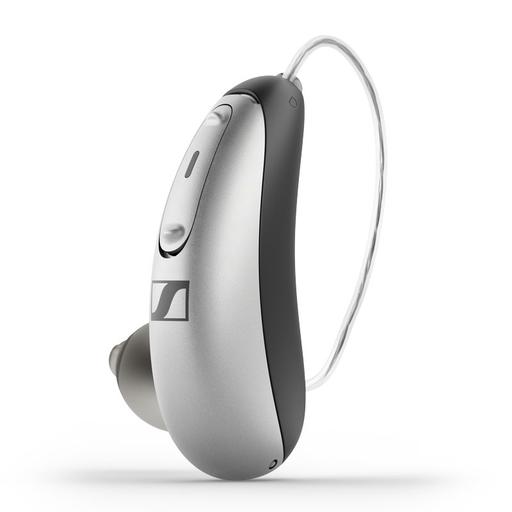
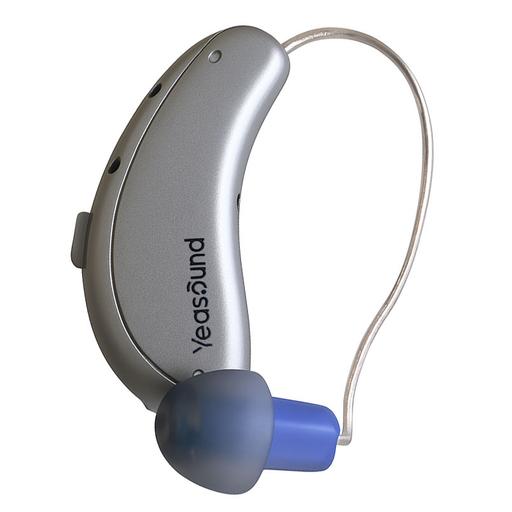
Product Overview
Expert Ratings
Compare comprehensive test results and expert opinions.
HearingTracker Score
Featuring hands-free calling, Bluetooth streaming for both iPhone and Android, and intelligent scene detection for optimal sound quality, these devices provide a user-friendly and high-quality hearing solution.
Read full reviewHearAdvisor SoundScore
Sennheiser All Day Clear achieved a SoundScore of 4.20/5 in HearAdvisor lab testing. The OTC Hearing Aid category average SoundScore was 3.47/5.
Yeasound RIC700 achieved a SoundScore of 4.15/5 and a SoundGrade of A in HearAdvisor lab testing. It ranked #11 of 61 OTC Hearing Aid devices tested. The OTC Hearing Aid category average SoundScore was 3.47/5.
Build Quality
All Day Clear have an ingress protection rating of 68, meaning they offer impressive protection against moisture and debris. They feel well built in hand and the case, while on the larger side, offers good storage protection and should hold up to daily use.
Yeasound RIC700 Plus have an ingress protection rating of IPX8. They appear well-built and approach the feel of a prescription hearing aid.
Battery
All Day Clear last up to 20 hours per charge, meaning they should last your entire day.
RIC700 Plus last up to 31 hours per charge and take around 3 hours to recharge. You can expect shorter battery life while streaming, although the batteries should still last all day.
Bluetooth
I found All Day Clear to offer easy and stable wireless connection. Their audio quality while streaming music, and during hands-free calling, was decent and comparable to other hearing aids in this price range.
RIC700 Plus offer wireless control and streaming with Bluetooth. While we could not test this on Android, functionality was fairly good on iOS with a few noted drawbacks.
App Features
The All-Day Clear app is straightforward and offers useful customization like volume control, programs, and a 3-Band EQ. It is missing more advanced features commonly found in other products like directional microphone controls and health tracking.
RIC700 Plus offer fairly good sound customization for a preset-based OTC hearing aid. I liked the addition of a 3-band equalizer and access to controls over noise reduction and microphone settings.
Comfort
I found All Day Clear comfortable, even with prolonged wear times, and did not experience any retention issues.
I found RIC700 Plus very comfortable thanks to their small design and lightweight.
Design
Sennheiser All Day Clear look and feel like modern prescription hearing aids in an OTC package.
Yeasound RIC700 Plus look like modern receiver-in-canal hearing aids and could easily be mistaken for prescription devices.
Value
Sennheiser All Day Clear has a value score of 4.6/5 based on lab performance and public display price.
Yeasound RIC700 has a value score of 4.8/5 based on lab performance and public display price.
Handling
All Day Clear are fairly easy to use receiver-in-canal style hearing aids and I did not run into any usability issues while trying them. One things worth noting is that, while the case works well, it does not have an internal battery and must be plugged in to charge.
I experienced a few hiccups using the iYeasound mobile app. Otherwise, RIC700 Plus were easy to use and get in my ears, though you may need some practice if you have not worn receiver-in-canal devices before.
Pro Support
All Day Clear are self-fit OTC hearing aids, intended to be by you in the comforts of your home. However, Sennheiser offers an in-office option where they can be programmed by a provider like more traditional prescription devices.
Yeasound offers remote assistance from their technical support team. To our knowledge, they are not offering audiologic support from licensed providers at this time.
Lab Recordings
Listen to direct output recordings from our acoustic test lab.
HearingTracker partners with HearAdvisor to provide recordings and performance data from an acoustic laboratory that follows standard scientific procedures. All hearing aids are fitted and performance-tested for mild sloping to moderate hearing loss. All audio samples cutoff above 10kHz.
Hardware
- Bluetooth® (A2DP)
- Made for iPhone (MFi)
- Bluetooth® (HFP)
Software Features
- Tuned by user directly
- Tuned based on audio preference selections