Sennheiser Sonite Rise vs. Zepp Clarity Pixie
Check out our comparison of the Sennheiser Sonite Rise vs Zepp Clarity Pixie. Listen to audio samples and see how the two hearing aids differ in terms of sound performance, features, accessories, and more.
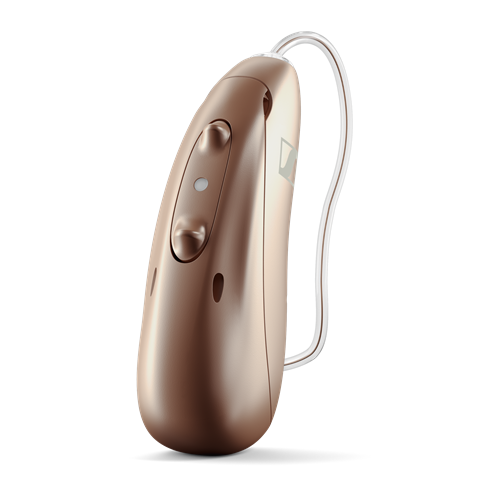
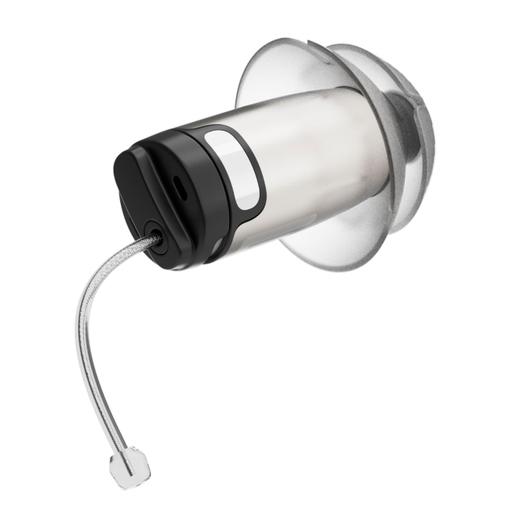
Product Overview
Expert Ratings
Compare comprehensive test results and expert opinions.
HearingTracker Score
Not yet rated by our experts
Zepp Pixie are a unique OTC hearing aid offering useful wireless app features, a discrete size, near all-day battery life, and more. From a price and performance perspective, Pixie beats Eargo, its closest competitor, on both counts.
Read full reviewHearAdvisor SoundScore
Not yet rated by our experts
Zepp Clarity Pixie achieved a SoundScore of 3.6/5 and a SoundGrade of B in HearAdvisor lab testing. It ranked #32 of 65 OTC Hearing Aid devices tested. The OTC Hearing Aid category average SoundScore was 3.71/5.
Build Quality
Not yet rated by our experts
Zepp Pixie appear to be well built although their IP rating of X7 suggests regular cleaning and maintenance will be key to long-term protection from dust and debris.
Battery
Not yet rated by our experts
With a battery life of 17 hours, Zepp Clarity should last your entire day without needing to recharge. The portable charger is also robust and the added on-the-go power is a nice addition.
App Features
Not yet rated by our experts
The Zepp app offers useful features for customizing the sound quality to your preferences. Be sure to complete the on-ear assessment within the More tab.
Comfort
Not yet rated by our experts
I found Zepp Clarity comfortable however, they sit deeper in your ear which may not suit everyone's preferences or needs.
Design
Not yet rated by our experts
Clarity are small and sit almost completely in your ear canals. This can make them very desirable if you are looking for a discrete hearing aid option.
Value
Not yet rated by our experts
Zepp Clarity Pixie has a value score of 3.4/5 based on lab performance and public display price.
Handling
Not yet rated by our experts
Some may find the smaller size of Pixie more difficult to handle and see, especially if you have limited finger dexterity and or low vision.
Pro Support
Not yet rated by our experts
Zepp currently offers technical assistance via phone, email, or directly through the Zepp mobile app. Additionally, the Support tab provides a helpful Q&A section should you need assistance.
Lab Recordings
Listen to direct output recordings from our acoustic test lab.
Lab recordings not yet available
Lab recordings not yet available
HearingTracker partners with HearAdvisor to provide recordings and performance data from an acoustic laboratory that follows standard scientific procedures. All hearing aids are fitted and performance-tested for mild sloping to moderate hearing loss. All audio samples cutoff above 10kHz.
Accessories
Compatible accessories for each hearing aid
Easy Line Remote Control
The Remote Control is a handheld accessory for compatible hearing aids that lets the user adjust volume and switch between hearing aid programs without using the hearing aids themselves or an app. It has separate volume up and down buttons, a program-change button, an on/off slider, an indicator light, and a battery door. It must be paired with the hearing aids before use, but pairing is only needed once; after that, it reconnects automatically. The remote uses a replaceable CR2032 lithium button-cell battery rather than a rechargeable battery. Each press of the program button moves the hearing aids to the next available program, while the plus and minus buttons raise or lower volume. Changes are applied to both hearing aids at the same time, and the hearing aids may play a confirmation beep depending on how they are configured. The guide also notes that its Bluetooth range is about 1 m, so it is meant for close-range control rather than long-distance operation.
Easy Line PartnerMic
The PartnerMic is a small clip-on microphone designed to be worn by a conversation partner so their voice can be streamed directly to compatible hearing aids. It is intended for situations where the listener wants clearer access to one person’s speech, especially when distance or background noise makes conversation harder. The microphone can be clipped to clothing or worn on a lanyard, with the guide recommending placement about 20 cm / 8 inches below the speaker’s mouth and no more than 50 cm / 20 inches away. The device has a built-in rechargeable battery, charges by USB-C, and typically takes about 2 hours to charge. It pairs once with the hearing aids and then reconnects after being turned off and on. Its streaming range is up to 25 m / 80 ft, though walls, furniture, and even the human body can reduce stability or cause dropouts. Volume is adjusted through the hearing aids or the companion app rather than directly on the microphone.
Easy Line Remote app
The Easy Line Remote app is a smartphone app for compatible hearing aids that lets users adjust their hearing settings and view basic hearing-related health data. It can be used to change volume, switch listening programs, adjust features such as noise reduction and microphone directionality, and fine-tune sound using equalizer presets or manual bass, middle, and treble sliders. The app also supports remote appointments with a hearing care professional, allowing hearing aid adjustments to be made during a live video call. Depending on the hearing aid model, it may track health-related information such as step count, wearing time, goals, and activity levels. It can also show battery level and device status, configure touch controls, set cleaning reminders, and provide information about connected hearing aids and accessories.
Easy Line TV Connector+1
The TV Connector is a small accessory that sends audio from a TV or other audio source directly to compatible hearing aids. It connects to the audio source using either an optical TOSLINK cable or a 3.5 mm analog cable, and it is powered through micro-USB. Once set up, it can stream audio wirelessly to paired hearing aids from up to about 15 m / 50 ft away, although walls, furniture, or other obstacles may reduce the range. In everyday use, the device is meant to work mostly in the background: when the TV or audio source is on, it transmits sound to the hearing aids; when no audio is detected, it goes into standby. Users can adjust the streamed audio volume using buttons on the device, and compatible hearing aids may also allow balancing TV sound against surrounding environmental sound. It supports Dolby Audio, stereo, and mono signals, but not DTS, so some TVs may require an audio-setting change or use of the analog cable instead.
Hardware
- Bluetooth® (A2DP)
- Bluetooth® Low Energy (LE)
- Auracast™ Ready
- Bluetooth® (HFP)
- Bluetooth® Low Energy (LE)
- Program control
- Volume Control
- Audio Stream Mix
- Voice assistant
- Accept/end calls
- Pause/Resume
- Tinnitus program
- Siri