Cearvol Wave vs. Yeasound RIC700
Check out our comparison of the Cearvol Wave vs Yeasound RIC700. Listen to audio samples and see how the two hearing aids differ in terms of sound performance, features, accessories, and more.
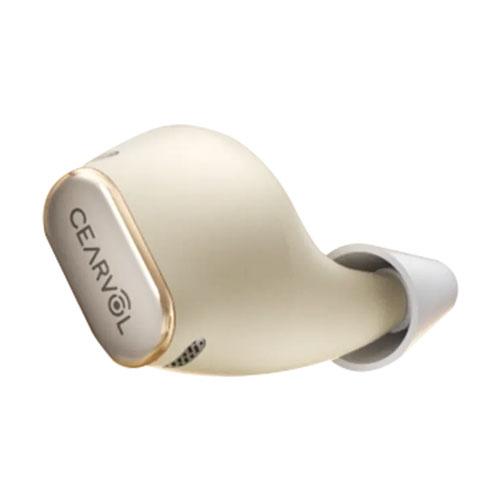
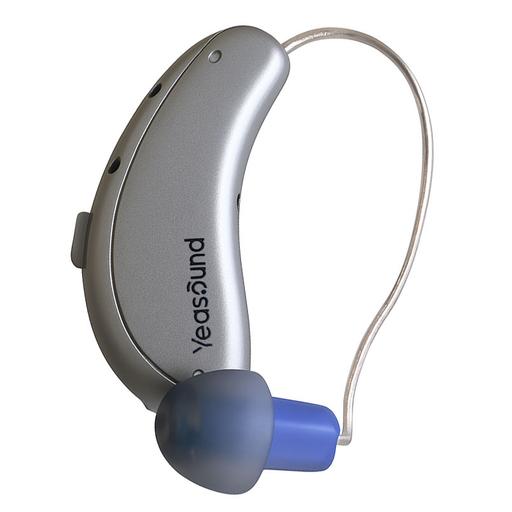
Product Overview
Expert Ratings
Compare comprehensive test results and expert opinions.
HearingTracker Score
Cearvol Wave is an affordable earbud-style OTC hearing aid with Bluetooth streaming, self-fitting controls, wired audio input, and a touchscreen charging case. Current lab results show useful speech benefit and good music streaming, with a B SoundGrade. Shorter runtime, a plugged-up own voice, and remote-microphone delay are its main compromises.
Read full reviewHearAdvisor SoundScore
Cearvol Wave achieved a SoundScore of 3.9/5 and a SoundGrade of B in HearAdvisor lab testing. It ranked #22 of 65 OTC Hearing Aid devices tested. The OTC Hearing Aid category average SoundScore was 3.68/5.
Yeasound RIC700 achieved a SoundScore of 4.3/5 and a SoundGrade of A in HearAdvisor lab testing. It ranked #10 of 65 OTC Hearing Aid devices tested. The OTC Hearing Aid category average SoundScore was 3.68/5.
Build Quality
We found Cearvol Wave to feel well built, especially the portable charging case, though they have a lower IPx5 rating. This suggests you should take extra care and limit exposing them to moisture and debris.
Yeasound RIC700 Plus have an ingress protection rating of IPX8. They appear well-built and approach the feel of a prescription hearing aid.
Battery
Wave's battery life falls below many other hearing aids with a max use time of up to 10 hours per charge. You can expect shorter run times in their Restaurant program and with heavy use of Wave's wireless audio features. While this could be better, Wave offer a quick-charge feature where 15 minute in the case gives you an additional 3 hours of use.
RIC700 Plus last up to 31 hours per charge and take around 3 hours to recharge. You can expect shorter battery life while streaming, although the batteries should still last all day.
Bluetooth
Cearvol Wave are Bluetooth compatible with both iOS and Android devices, allowing for audio streaming and hands-free calling. The case also offers unique additional wireless features.
RIC700 Plus offer wireless control and streaming with Bluetooth. While we could not test this on Android, functionality was fairly good on iOS with a few noted drawbacks.
App Features
We found the Cearvol mobile app to offer many useful features for general sound customization. The user-interface could be modernized, though the large numbers and icons make it easier to see what you are adjusting.
RIC700 Plus offer fairly good sound customization for a preset-based OTC hearing aid. I liked the addition of a 3-band equalizer and access to controls over noise reduction and microphone settings.
Comfort
I found Wave comfortable to wear with a nice "twist-in" feel. My main complaint is that they protrude slightly from the ear which can make them more prone to catching on things.
I found RIC700 Plus very comfortable thanks to their small design and lightweight.
Design
Wave offer a modern earbud-like design. This, along with their black and silver color, make them very noticeable in your ears. Depending on your preferences this can be a pro or a con.
Yeasound RIC700 Plus look like modern receiver-in-canal hearing aids and could easily be mistaken for prescription devices.
Value
Cearvol Wave has a value score of 4.8/5 based on lab performance and public display price.
Yeasound RIC700 has a value score of 4.8/5 based on lab performance and public display price.
Handling
Handling is one area where Wave shine. The portable charging case includes a touch-screen and doubles as a wireless remote control for your hearing aids. It also offers additional features like a remote microphone and direct audio input.
I experienced a few hiccups using the iYeasound mobile app. Otherwise, RIC700 Plus were easy to use and get in my ears, though you may need some practice if you have not worn receiver-in-canal devices before.
Pro Support
Cearvol mention offering both remote and online support from hearing care providers. You also have 24/5 access to their support specialists. In my experiences, they are quick to respond and you can easily receive help from a human.
Yeasound offers remote assistance from their technical support team. To our knowledge, they are not offering audiologic support from licensed providers at this time.
Lab Recordings
Listen to direct output recordings from our acoustic test lab.
HearingTracker partners with HearAdvisor to provide recordings and performance data from an acoustic laboratory that follows standard scientific procedures. All hearing aids are fitted and performance-tested for mild sloping to moderate hearing loss. All audio samples cutoff above 10kHz.
Accessories
Compatible accessories for each hearing aid
Wave Charger+2
The Cearvol Wave includes a rechargeable charging case with a built-in LCD display that shows the battery status of both hearing aids and the case itself. The hearing aids provide up to 24 hours of runtime per charge, while the 400 mAh charging case stores additional power for on-the-go charging. Beyond charging, the case doubles as a remote microphone for one-on-one conversations and includes a 3.5 mm AUX input that can stream audio from TVs and other compatible devices directly to the hearing aids.
Hardware
- Bluetooth® (A2DP)
- Made for iPhone (MFi)
- Bluetooth® (HFP)
- Volume Control
- Change program
- Accept/end calls