Nuance Audio Hearing Glasses vs. Signia Motion Charge&Go IX

Check out our comparison of the Nuance Audio Hearing Glasses vs Signia Motion Charge&Go IX. Listen to audio samples and see how the two hearing aids differ in terms of sound performance, features, accessories, and more.
Score
0.0
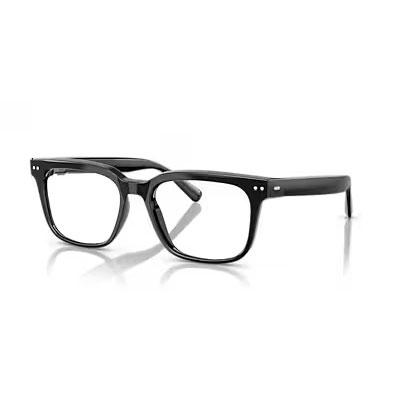
Nuance Audio Hearing Glasses Square
Add Product
Featured Products
$1,200 per pair
Shop Now
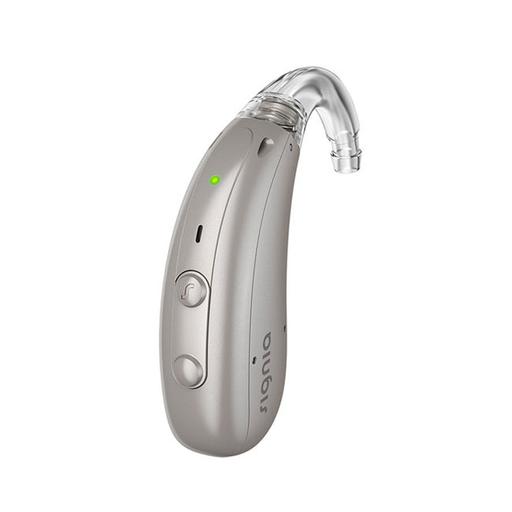
Signia Motion Charge&Go IX M 7IX
Add Product
Featured Products

Product Overview

Form Factor
Hearing GlassesForm FactorCombines hearing aids and prescription lenses in a single unit.
Behind The Ear - FusionForm FactorThis type of hearing aid is fitted behind the ear. Sound is channeled to the ear through either a thin or standard tube. A custom-fitted mold may or may not be required.
Expert Rating
Score
0.0
User Rating
3.7
2 reviews
Hearing Loss LevelHearing Loss LevelThis represents HearingTracker's best guess on suitability. Please consult a licensed audiologist to confirm your own candidacy for this device.
MildModerateSevereProfound
Product Features
Hands-freeRechargeableiPhoneAndroidTelecoil
Hands-freeRechargeableiPhoneAndroidTelecoilIP68

Expert Ratings

Compare comprehensive test results and expert opinions.

Hearing Glasses
Motion Charge&Go IX
Hearing Glasses
3.2BELOW AVERAGE

Nuance Audio Glasses seamlessly combine prescription eyewear with discreet over-the-counter hearing enhancement, offering solid performance in speech clarity but with some limitations in battery life and audio streaming.

Read full review
Motion Charge&Go IX
Hearing Glasses
4.1ABOVE AVERAGE

Nuance Audio Glasses achieved a SoundScore of 4.13/5 and a SoundGrade of A in HearAdvisor lab testing. It ranked #12 of 61 OTC Hearing Aid devices tested. The OTC Hearing Aid category average SoundScore was 3.47/5.

Motion Charge&Go IX
Hearing Glasses
3.9BELOW AVERAGE

Nuance Audio Hearing Glasses have an IPX4 rating, which means they can withstand light splashes of water but may require extra care to ensure long-term reliability. Fortunately, their delicate components are less susceptible to moisture damage since they aren't positioned inside the ear like traditional hearing aids.

Motion Charge&Go IX
Hearing Glasses
1.9BELOW AVERAGE

Nuance Hearing Glasses use internal lithium-ion batteries that provide up to 8 hours of use. To extend battery life throughout the day, Nuance recommends using them situationally and turning them off when not needed. Recharging takes approximately 3 hours.

Motion Charge&Go IX
Hearing Glasses
3.5BELOW AVERAGE

The Nuance Audio mobile app is user-friendly and available for both iOS and Android devices. It includes useful features such as volume control, microphone directionality, and noise reduction. Nuance hearing glasses are preset-based and use 4 default programs for adjustment, but they are not customizable based on a hearing test.

Motion Charge&Go IX
Hearing Glasses
4.5EXCELLENT

Nuance Hearing Glasses are comfortable, lightweight, and fit similarly to other broad-rimmed eyeglasses. If you're accustomed to wearing both glasses and hearing aids, you may feel less encumbered since there's no need to fit both glasses and hearing aids on your ear.

Motion Charge&Go IX
Hearing Glasses
5.0EXCELLENT

Nuance Audio currently offers two frame styles that may appeal to different aesthetic preferences. However, the frames are larger than traditional eyeglasses to accommodate the internal hearing components.

Motion Charge&Go IX
Hearing Glasses
3.0BELOW AVERAGE

Nuance Audio Glasses has a value score of 3.0/5 based on lab performance and public display price.

Motion Charge&Go IX
Hearing Glasses
5.0EXCELLENT

Nuance Audio Hearing Glasses are easy to use, especially if you're already accustomed to wearing glasses. However, care is required when placing them on the charger, as they must be in a specific orientation to magnetically lock and charge properly.

Motion Charge&Go IX
Hearing Glasses
1.0BELOW AVERAGE

Nuance Audio Hearing Glasses can be ordered and picked up in-store, where a vision professional will provide basic fitting guidance. Remote technical support is also available online and through the Nuance Audio mobile app. However, remote programming and support from a hearing specialist is not currently offered.

Motion Charge&Go IX

Lab Recordings

Listen to direct output recordings from our acoustic test lab.

Busy CafeBusy CafeSpeech intelligibility improvement in loud environments
Quiet OfficeQuiet OfficeSpeech intelligibility improvement in quiet and moderate environments
HearingTracker partners with HearAdvisor to provide recordings and performance data from an acoustic laboratory that follows standard scientific procedures. All hearing aids are fitted and performance-tested for mild sloping to moderate hearing loss. All audio samples cutoff above 10kHz.

Accessories

Compatible accessories for each hearing aid

Battery Charger
Charging Pad

Charging Pad

Battery Charger

The Nuance Audio Glasses charge via a tabletop magnetic charging pad that requires wall power and takes about three hours for a full recharge.

Bluetooth Streamer
StreamLine Mic

StreamLine Mic

Bluetooth Streamer+2

A wireless clip-on mic that streams audio to hearing aids from any Bluetooth device.

TV Sound

TV Sound

Bluetooth Streamer+1

The Signia TV Sound is a high-quality stereo audio streaming device designed to deliver clear TV audio directly to Bluetooth-enabled Signia hearing aids. It connects to a TV via an analog or optical cable and requires a USB power source. Pairing is simple—users turn on the device, restart their hearing aids, and place them within 20 cm to establish a connection. Once paired, audio streaming can be controlled via the Signia app, allowing users to start, pause, and adjust the volume effortlessly. This device enhances the TV listening experience for Signia hearing aid users by providing direct, latency-free sound transmission.

Remote Control
Remote Control

Remote Control

Remote Control

The compact Nuance Audio remote offers quick, on-the-go control of volume, audio modes, and hearing assistance for your glasses.

Remote Microphone
StreamLine Mic

StreamLine Mic

Remote Microphone+2

A wireless clip-on mic that streams audio to hearing aids from any Bluetooth device.

Smartphone App
Nuance Audio App

Nuance Audio App

Smartphone App

The Nuance Audio app lets you customize, control, and optimize your Nuance Audio Glasses for real-time hearing enhancement, with features like sound presets, noise reduction, and remote volume adjustment—all from your smartphone.

Smartphone Streamer + Hands Free
StreamLine Mic

StreamLine Mic

Smartphone Streamer + Hands Free+2

A wireless clip-on mic that streams audio to hearing aids from any Bluetooth device.

TV Streamer
TV Sound

TV Sound

TV Streamer+1

The Signia TV Sound is a high-quality stereo audio streaming device designed to deliver clear TV audio directly to Bluetooth-enabled Signia hearing aids. It connects to a TV via an analog or optical cable and requires a USB power source. Pairing is simple—users turn on the device, restart their hearing aids, and place them within 20 cm to establish a connection. Once paired, audio streaming can be controlled via the Signia app, allowing users to start, pause, and adjust the volume effortlessly. This device enhances the TV listening experience for Signia hearing aid users by providing direct, latency-free sound transmission.

Hardware

Bluetooth® AudioBluetooth® AudioThis hearing aid is capable of streaming Bluetooth® audio certain phones and/or devices.
No
  • Made for iPhone (MFi)
IP RatingIP RatingIP Ratings rate sealing effectiveness of hearing aids against intrusion from foreign solid matter (dirt, dust) and moisture.
IPx4
IP68
Push ButtonPush ButtonThe hearing aid features a push button which allows toggling across different sound processing programs
  • Program control
  • Power on/off
No
Rechargeable BatteriesRechargeable BatteriesCharge your batteries overnight in a docking station and get a full day's use (in most cases) of battery life the following day.
Lithium-ion
Lithium-ion
TelecoilTelecoilThe hearing aid is able to pick up audio from landline telephones or public audio systems without using its acoustic microphones. This minimizes background noise and improves clarity and understanding, even over great distances. At performing arts venues, events, government meetings, etc., look for assistive listening systems (hearing loop, FM, and infrared systems), which must be provided at no cost under the Americans with Disabilities Act (ADA) and other international regulations.
No
Yes
Volume RockerVolume RockerA volume rocker or wheel to allows the adjustment of volume with a finger.
No
Yes

Software Features

Adjustment BandsAdjustment BandsThese are frequency-divided sections that can be adjusted in a hearing aid in order to amplify sounds. Although there are rarely more than 10 frequencies measured in a hearing assessment, having more bands that can be adjusted may allow for improved speech understanding and user comfort.
No
20
Adjustment SynchronizationAdjustment SynchronizationThis feature allows for a more pleasant listening experience by ensuring that both hearing aids process sound the same way. If one hearing aid changes its processing in response to noise or speech, it will send a wireless signal to the other hearing aid so both process sound in the same way.
No
Yes
Direction SelectionDirection SelectionAllows the user to select one or more directions to focus their hearing aids on. For example, some hearing aids allow the listener to focus on sounds coming from in front or back, or from the right or left.
No
  • 5/5
DirectionalityDirectionalityDepending on the types and number of microphones a hearing aid has, the hearing aid may be able to boost sounds from specific directions (by reducing sounds from other directions). This can be helpful to focus on a speaker directly in front of the hearing aid user, as well as to give the user information about where different sounds are coming from.
Yes
Yes
Ear SimulationEar SimulationThe outer ear, or pinna, can have a significant effect on the frequency shape of sound arriving at your inner ear. Some hearing aids mimic the "pinna effect" when producing sound, to deliver more natural sound to the listener.
No
Yes
Echo ReductionEcho ReductionThis feature improves speech audibility by reducing the “blurring” of speech sounds that can occur in the presence of echoes.
No
Yes
Environmental AdaptationEnvironmental AdaptationThe hearing aid can detect different acoustical environments, like speech in noise, and adjust the sound of the hearing aid accordingly to drive comfort or speech understanding, etc.
No
RealTime Conversation Enhancement: 2/5
Extended bandwidthExtended bandwidthHearing aid provides amplification at frequencies (pitches) higher than the typical hearing aid.
No
12kHz
Extended Dynamic RangeExtended Dynamic RangeExtended dynamic range typically makes louder sound clearer. This may help with the reproduction of loud music or loud speech in a very noisy environment.
No
Yes
Feedback SuppressionFeedback SuppressionIf any sound amplified by the hearing aid escapes the ear canal, it may reach the hearing aid’s own microphone and cause a harsh whistling noise. Some hearing aids are able to recognize when this feedback occurs and reduce or eliminate it.
No
Yes
Listening ProgramsListening ProgramsNumber of manually accessible listening programs (using push button, remote, app, or other switching method)
No
6
Noise ReductionNoise ReductionThis feature uses modern hearing aids’ processing power to examine the incoming sound signal, determine if noise is present and reduce the volume of the troublesome sound to increase comfort.
Yes
SoundSmoothing™: 3
Own Voice ComfortOwn Voice ComfortAmplification is applied differently to your own voice versus the other voices around you. This allows adequate amplification of people you want to hear and no over-amplification of your own voice.
No
Yes
Processing ChannelsProcessing ChannelsThese are all the frequency-divided sections the hearing aid is able to examine at a single time. The hearing aid uses this information to determine whether the contents of each section are noise, speech, or something else and amplify the sound in each section accordingly.
No
48
Tinnitus ReliefTinnitus ReliefTinnitus, or ringing in the ears, can be addressed by hearing aids in several different ways, such as introducing a soft therapeutic signal or targeted notched noise.
No
Yes
Unique Amplification StrategyUnique Amplification StrategyHearing aids all process sounds a little bit differently. Sometimes it varies even within one model.
No
Dynamic Soundscape Processing 3.0: 5/5
Wind Noise ReductionWind Noise ReductionAs wind blows against the microphones of hearing aids, unpleasant noise may be generated. Some hearing aids have the ability to recognize this wind noise and reduce its level. Such reductions may also affect the audibility of desired sounds, like speech.
No
Yes