ORKA Debuts “World’s First RIC Hearing Aid with ANC” Powered by Bose at AWE 2026
ORKA is promoting its new O1 Pro as the first receiver-in-canal hearing aid with active noise cancellation, saying the device was co-developed with Bose and uses Bose “QuietControl” active noise cancellation technology.)
)
Featured Products
Compare allHearing aid glossary
Looking that up…
Terms are matched automatically. A definition may not fit every context.
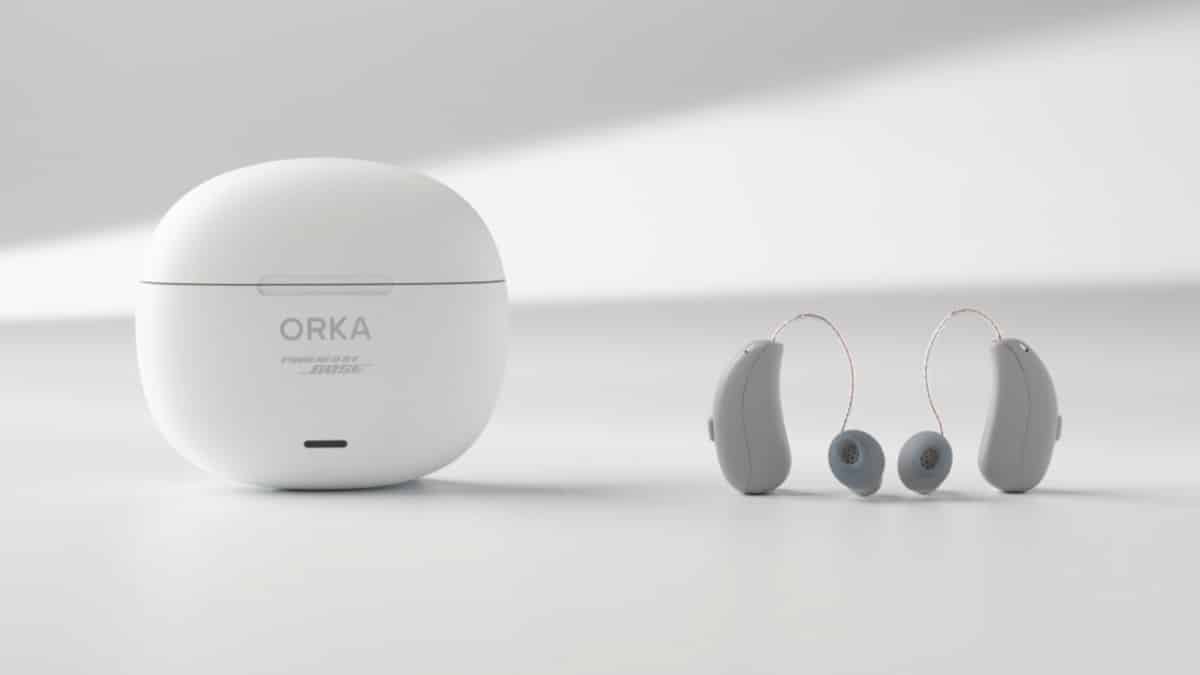
ORKA is using this week’s AWE 2026 show in Shanghai to introduce the O1 Pro, which it reports to be the world’s first Active Noise Cancellation (ANC) Receiver-in-Canal () hearing aid and is using Bose technology.
According to the company’s website, the product was co-developed with Bose and is “powered by Bose QuietControl Active Noise Cancellation technology,” positioning the launch as a crossover between hearing healthcare and consumer audio noise-cancellation technology.


Yaniv Kaufman, Bose Head of Product Partnerships (Hearing), posted on LinkedIn today that “Orka Powered by Bose” is "powered by our ultra-efficient ANC and proprietary micro driver... That tiny speaker now delivers Bose ANC that lasts all day in a device worn inside your ear. This represents years of work. It takes real conviction to move first.” He added that the product marks “a new category of devices.”
:format(webp))
What remains less clear is exactly how the Bose relationship is structured with ORKA, as well as the specifics of how ANC is implemented in the O1 Pro.
ANC works by picking up outside noise with microphones and generating a second sound wave that is equal in level but opposite in phase. When the two waves meet, they partially cancel each other out, helping reduce sounds like engine rumbling, traffic noise, or other low-pitched background sounds— a strategy found in products like Bose QuietComfort headphones, Apple AirPods Pro, and the Sony WH-1000XM series. HearingTracker is unaware of any other hearing aid that uses ANC in hearing aid mode.

In a recent paper published in Trends in Hearing, Andrew Sabin and colleagues at Bose described how ANC could improve the signal-to-noise ratio () in hearing aids. ANC could help certain -style hearing aids hear better in noise, especially by reducing low-frequency leakage through the direct path and allowing SNR improvements from the processed path to matter more at the eardrum. However, the real-world payoff probably depends on having a low-latency implementation, strong low-frequency cancellation, and strong companion SNR-improving algorithms. In other words, ANC in RICs looks promising, but without human outcome data, its real-world impact on speech understanding remains uncertain.
The ORKA O1 Pro launch also continues Bose’s previous efforts in developing hearing aids and hearables: the company introduced the first -cleared SoundControl self-fitting over-the-counter () hearing aid in 2021, exited direct hearing aid sales in 2022, and later re-entered the category through its partnership with Lexie, which includes the B1 and B2 Plus Powered by Bose OTC devices.
The unveiling of the O1 Pro took place at the Appliance & Electronics World Expo (AWE), a major consumer electronics and home-appliance trade show in China, running from March 12-15 in Shanghai. HearingTracker plans to provide more detailed information about the product as it becomes available.
Karl Strom
Editor in ChiefKarl Strom is the editor-in-chief of HearingTracker. He was a founding editor of The Hearing Review and has covered the hearing aid industry for over 30 years.
Abram Bailey, AuD
Founder and PresidentDr. Bailey is a leading expert on consumer technology in the audiology industry. He is a staunch advocate for patient-centered hearing care and audiological best practices, and welcomes any technological innovation that improves access to quality hearing outcomes. Dr. Bailey holds an Au.D. from Vanderbilt University Medical Center.