Earlens 2
)
Unser Expertenteam wählt Produkte sorgfältig aus und testet sie gründlich. Wenn Sie über unsere Links kaufen, erhalten wir möglicherweise eine Provision. So halten wir unsere Bewertungen unabhängig.
Earlens® ist ein wiederaufladbares Hörgerätsystem, das verstärkten Klang auf eine ganz einzigartige Weise bietet; während die meisten Hörgeräte das Trommelfell mit herkömmlicher akustischer Verstärkung anregen, regt Earlens das Trommelfell mit direkten mechanischen Vibrationen an. Die Direktantriebsverstärkung, die durch eine auf dem Trommelfell platzierte vibrierende „Linse“ ermöglicht wird, kann den Bedürfnissen von Personen mit geringgradiger bis hochgradiger Schallempfindungsschwerhörigkeit gerecht werden, doch es gibt einige Vor- und Nachteile dieser einzigartigen Technologie, die Sie kennen sollten.
:format(webp))
Das Earlens System
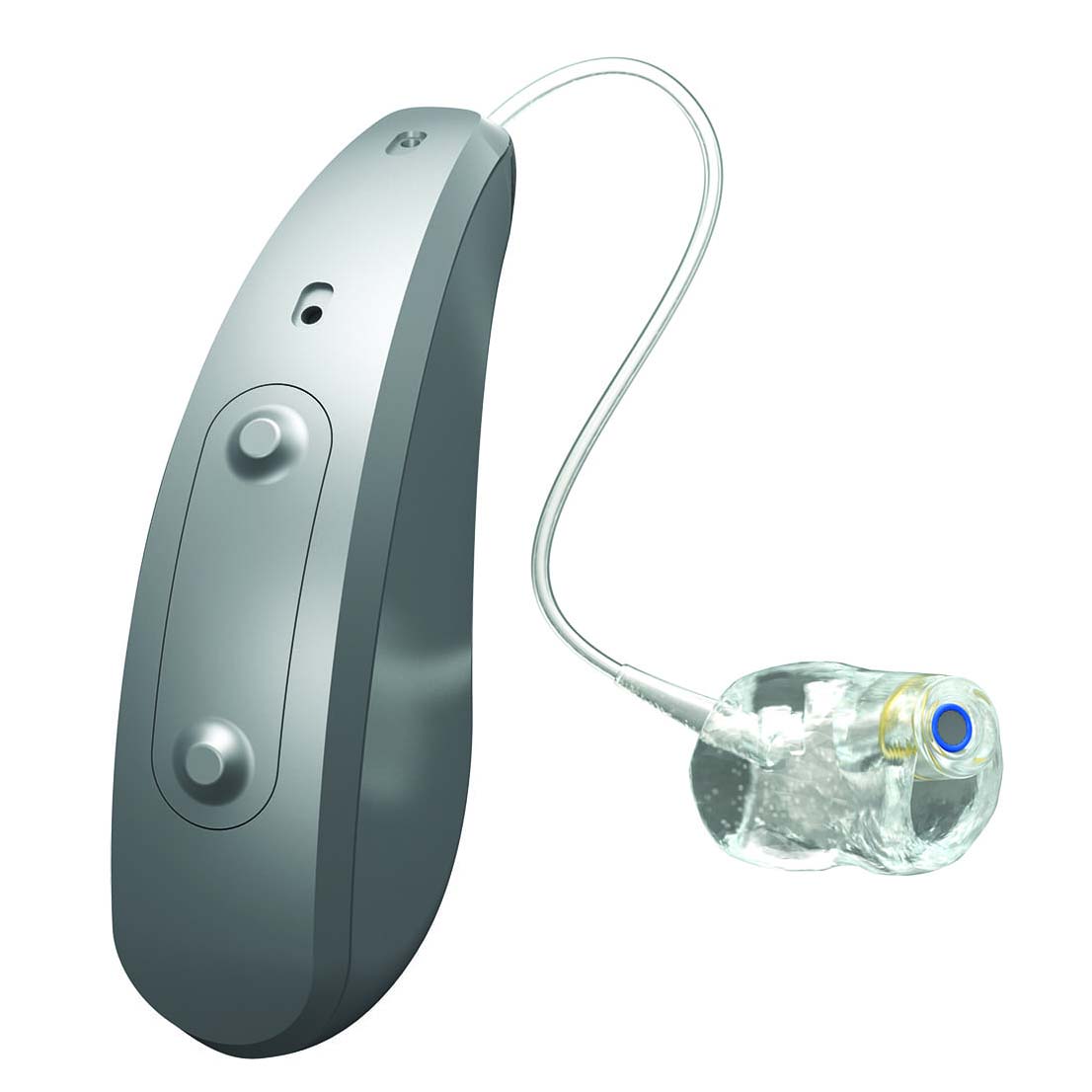
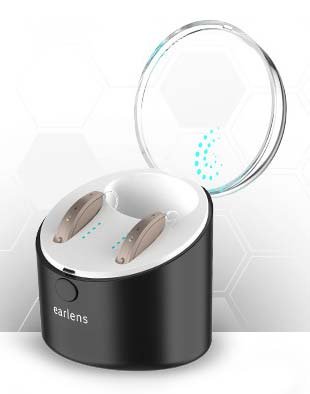
Der Kern des Earlens Systems besteht aus einer vibrierenden Trommelfelllinse, einer individuell angepassten Gehörgangsform („ear tip“) und einem hinter dem Ohr getragenen Soundprozessor. Zu den weiteren Komponenten gehören eine Ladestation für Hörgeräte und die Earlens Control Smartphone-App.


Das Earlens System wird in Zusammenarbeit zwischen einem HNO-Arzt und einem Audiologen angepasst. Der HNO-Arzt untersucht Ihr Ohr und bestimmt gemeinsam mit Ihrem Audiologen die Eignung, nimmt einen tiefen Gehörgangsabdruck Ihres Gehörgangs und passt die individuelle Trommelfelllinse an. Ihr Audiologe programmiert anschließend den Prozessor und unterstützt Sie bei der Einführung in das Earlens System.
Der Preis von Earlens variiert je nach Anbieter, liegt jedoch wahrscheinlich im Bereich von $8000-$10,000 für ein Paar. Die Kosten liegen bei Earlens einige Tausend über den meisten herkömmlichen Premium-Hörgeräten, aber das Unternehmen behauptet, ein überlegenes Produkt (darauf kommen wir noch zu sprechen) und einen Premium-Concierge-Service anzubieten.
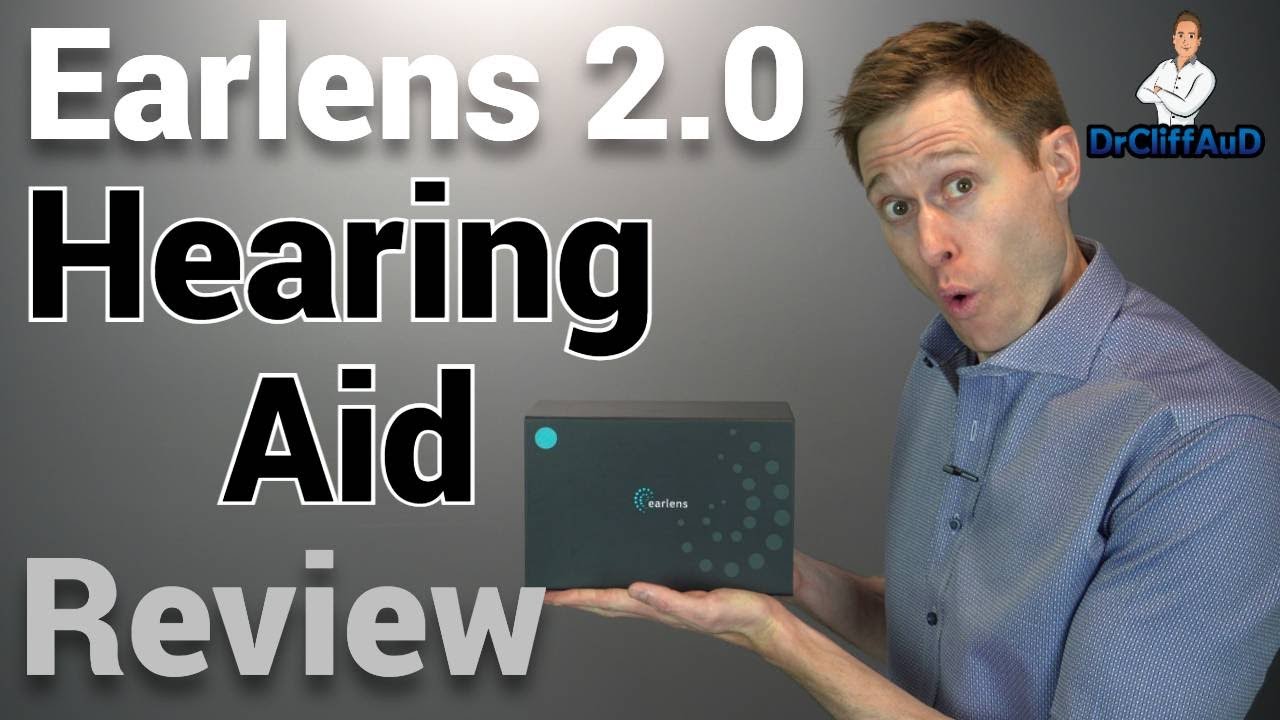
Das gesamte Earlens-System ist auf eine Lebensdauer ähnlich der eines herkömmlichen Hörgeräts ausgelegt, also ungefähr 3-5 Jahre. Das System wird standardmäßig mit einer 3-jährigen Garantie geliefert, die während des 3-Jahres-Zeitraums die Reparatur und/oder den Ersatz des Geräts aufgrund einer Fehlfunktion abdeckt. Sollte die Linse oder der Prozessor verloren gehen, wäre dies ebenfalls während der Garantiezeit abgedeckt.
Die Trommelfelllinse
Die Trommelfelllinse ist ein individuell angefertigtes Gerät, das mithilfe einer dünnen Schicht Mineralöl auf Ihrem Trommelfell (Tympanalmembran) schwimmt, ähnlich wie eine typische Kontaktlinse. Die Linse muss individuell an Ihr einzigartiges Trommelfell angepasst werden, um die Haftung durch Oberflächenspannung zu ermöglichen und sicherzustellen, dass die Linse bequem bleibt.

Um eine individuell angepasste Linse herzustellen, nimmt ein HNO-Arzt in der Praxis einen tiefen Abdruck des Gehörgangs. Dies erfolgt unter einem Mikroskop und ohne dass eine Anästhesie erforderlich ist. Es handelt sich um ein einfaches Verfahren in der Praxis, das ungefähr 30 Minuten dauert. Laut dem Unternehmen haben die meisten Menschen (86%) keine Probleme bei der Abdrucknahme. Aus diesem Abdruck werden die individuell angefertigte Trommelfelllinse und das Ohrpassstück hergestellt.
Nach dem Einsetzen versetzt die Trommelfelllinse das Trommelfell direkt in Schwingung und sorgt so für eine mechanische Verstärkung mit Direktantrieb. Die Schwingungen werden von einem winzigen Motor auf der Linse erzeugt und über einen kleinen Knochen (den Hammer) auf der Oberfläche Ihres Trommelfells übertragen. Earlens behauptet, dass das Tragen der Linse auf dem Trommelfell keine körperliche Empfindung verursacht.
:format(webp))
Die Trommelfelllinse wird nach dem Einsetzen rund um die Uhr getragen, auch beim Schlafen sowie beim Baden/Duschen. Sie können sogar mit eingesetzter Linse schwimmen, jedoch wird das Tragen von Schwimmstöpseln dringend empfohlen, insbesondere wenn Sie in einer bestimmten Tiefe oder regelmäßig schwimmen möchten. Beachten Sie, dass der Prozessor nur während der normalen Wachstunden getragen wird – in der Regel nicht beim Schlafen – und nicht für die Verwendung beim Schwimmen oder Baden vorgesehen ist.
Der Earlens Hinter-dem-Ohr-Prozessor
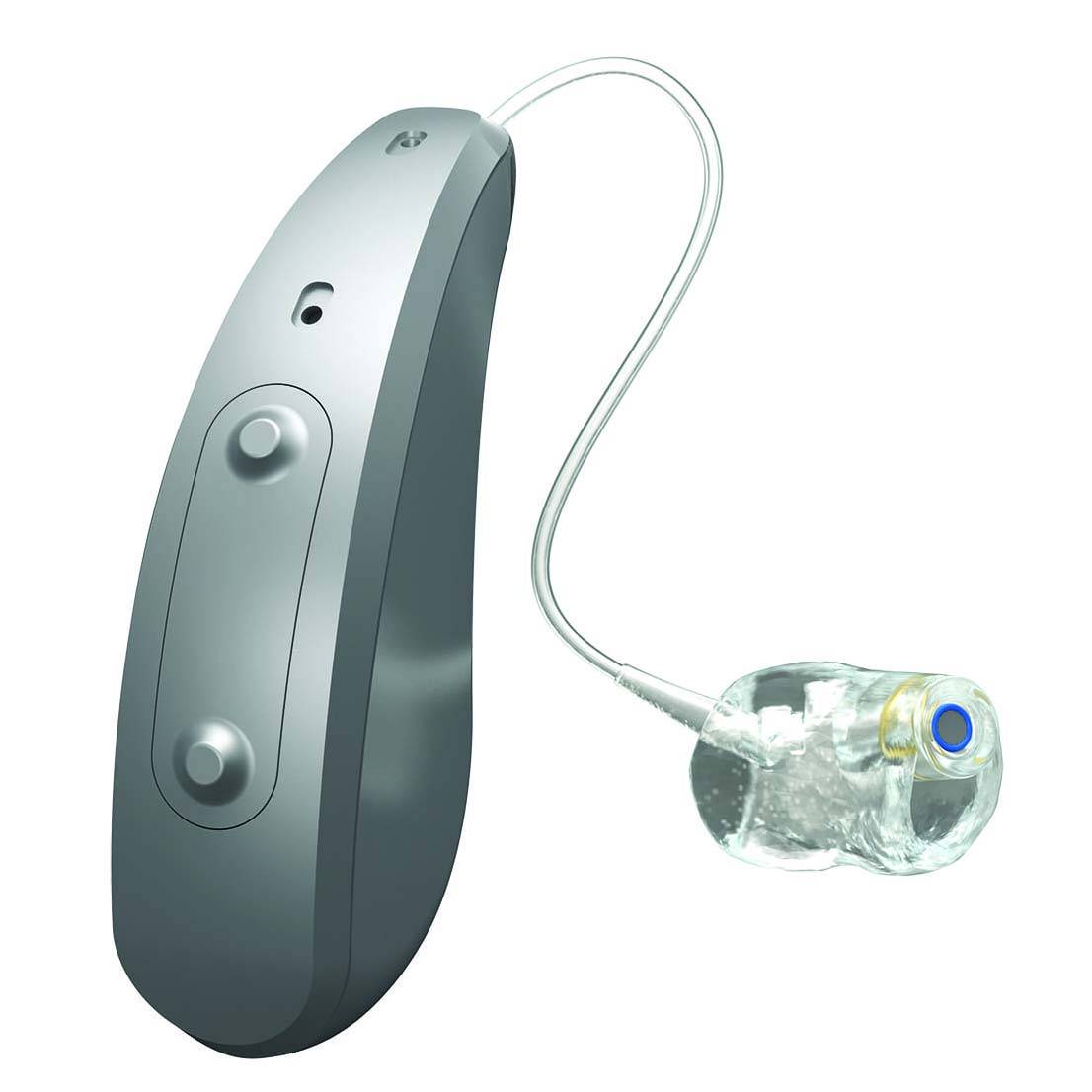
Der Earlens Prozessor sieht aus und funktioniert ähnlich wie ein herkömmliches Hinter-dem-Ohr-(BTE)-Hörgerät und wie viele heute auf dem Markt erhältliche Hörgeräte. Hier sind einige seiner Funktionen:
- Mehrkanalkompression und Frequenzformung (20 Kanäle)
- Bis zu 60 dB Verstärkung über den Frequenzbereich von unter 100Hz bis 10kHz
- Wiederaufladbarer Akku
- Adaptive Richtmikrofone
- Algorithmen zur Störschallunterdrückung
- Mehrere Programme – bis zu 4
- Drucktasten am Gerät zur Steuerung der Lautstärke, zum Programmwechsel und zum Ein-/Ausschalten
- iPhone-Kompatibilität ermöglicht direktes Streaming von Telefonanrufen und Audioinhalten
- Verfügbare iPhone-App


Im Earlens System besteht die Aufgabe des Prozessors darin, Schall aufzunehmen, zu verarbeiten und das Signal anschließend über ein Kabel an das Ohrpassstück zu übertragen. Hier unterscheidet sich Earlens vom Gewöhnlichen.
Das individuelle Ohrpassstück
Das individuelle Earlens Ohrpassstück empfängt die Informationen vom Prozessor und wandelt das digitalisierte Schallsignal in ein energiearmes Funksignal um, auch induktives oder Radiosignal genannt, das dann von einer Antennenspule im Ohrpassstück an die auf dem Trommelfell liegende Linse übertragen wird. Dieses Funksignal enthält sowohl die gewünschten Audioinformationen als auch die Energie, die erforderlich ist, um winzige, aber präzise mechanische Bewegungen der Linse und anschließend Ihres Trommelfells zu erzeugen. Die Bewegungen oder Schwingungen des Trommelfells werden durch das Mittelohrsystem zur Cochlea übertragen und sorgen für die Verstärkung des Systems. Das individuelle Ohrpassstück verfügt über eine starke Belüftungsbohrung und besteht aus weichem Silikon, das sowohl physisch als auch akustisch einen angenehmen Sitz gewährleisten soll.
:format(webp))
In der vorherigen Generation des Earlens Produkts wurde eine Lichtquelle verwendet, um Schall und Energie an die Linse auf dem Trommelfell zu übertragen. Diese Lichtquelle war stark gerichtet, was bedeutet, dass die Ausrichtung der Lichtspitze im Gehörgang relativ zur Linse auf der Trommelfellmembran beibehalten werden musste, damit das System ordnungsgemäß funktioniert. Bei manchen Menschen kann sich der Gehörgang beim Sprechen oder Kauen erheblich bewegen, was zu Unterbrechungen im Signal führen würde. In dieser neuen Generation, die ein induktives (Funk-)Signal nutzt, wurde dieses Problem überwunden, da das Signal nicht gerichtet ist.
Das Hörgerät-Ladegerät
Das Earlens Ladegerät funktioniert wie viele andere kabellose Ladegeräte auf dem Markt. Die Prozessoren werden für 4 Stunden in das Ladegerät eingesetzt, um einen vollständigen Ladezyklus abzuschließen, und die Prozessoren sollten mit einer einzigen Ladung 16-24 Stunden genutzt werden können. Die erwartete Lebensdauer des wiederaufladbaren Systems beträgt etwa 3 Jahre.
:format(webp))
Die Earlens Control App
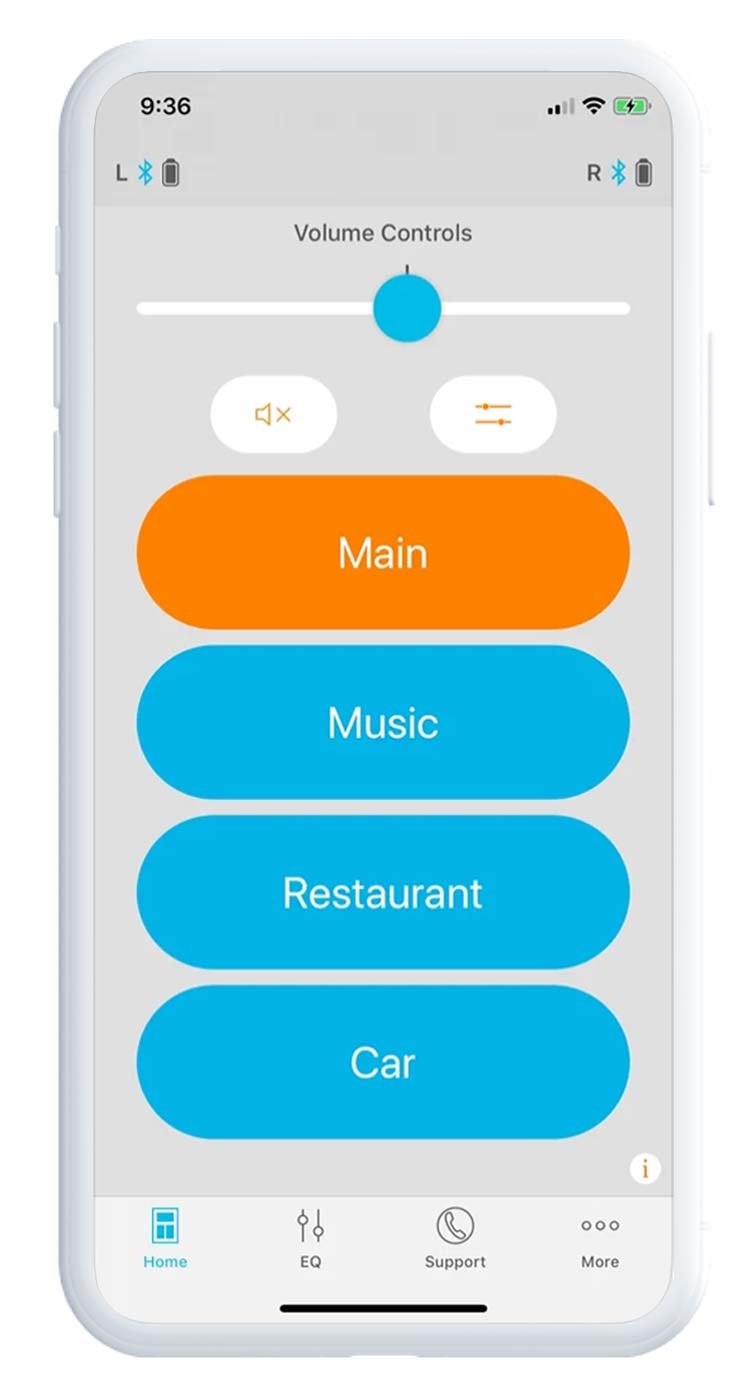
Die Earlens Control App ist für iPhone verfügbar und ermöglicht die Steuerung der Lautstärke, den Programmwechsel, die Bass-/Höhenregelung, Erinnerungseinstellungen, Support-Videos und den Zugang zu Concierge-Diensten. Earlens weist darauf hin, dass jüngste Verbesserungen der App sie intuitiver machen und zudem eine integrierte Verbindung zum Concierge-Team bieten. Die App ermöglicht außerdem, Ihr iPhone als Fernmikrofon zu verwenden. Bitte beachten Sie, dass derzeit keine Anwendung verfügbar ist, wenn Sie ein Android-Telefon verwenden, diese jedoch Berichten zufolge in Entwicklung ist.
Weniger Rückkopplung und vollerer Klang
Wie oben erwähnt, versetzt die Trommelfelllinse nach der Anpassung des EarLens Systems das Trommelfell direkt in Schwingung und sorgt so für mechanische Verstärkung – nicht für akustische. Dieser Ansatz bietet einige Vorteile.

Erstens ist die Wahrscheinlichkeit einer akustischen Rückkopplung gering, da die Linse selbst keinen Schall erzeugt. Rückkopplung ist das störende hochfrequente Pfeifen, das entsteht, wenn verstärkter Schall vom Mikrofon (eines herkömmlichen Hörgeräts) aufgenommen und in einer Endlosschleife erneut verstärkt wird. Historisch gesehen war Rückkopplung ein großes Problem bei Hörgeräten.
Während digitale Algorithmen zur Rückkopplungsreduzierung gut funktionieren und Rückkopplung bei den meisten Hörgeräten beseitigen, gibt es Grenzen – insbesondere bei modernen „offenen“ Hörgeräten (bei denen Schall leicht aus dem Gehörgang entweicht). Dies ist ein großer Vorteil des Earlens Systems: Da keine akustische Verstärkung erfolgt, ist das Potenzial für Rückkopplung wesentlich begrenzter. Das bedeutet, dass eine ausreichende Verstärkung hoher Frequenzen deutlich leichter bereitgestellt werden kann.
Durch Direktantriebsverstärkung bietet das Earlens System außerdem mehr Bass als offen angepasste Hörgeräte. Wenn der Gehörgang offen bleibt, entweichen Basstöne leicht aus dem Ohr, wodurch der Nutzer einen dünneren, höhenbetonteren Klang wahrnimmt. Der Verlust von Bass kann die Klangqualität von Musik erheblich beeinträchtigen, aber auch Sprache weniger natürlich klingen lassen. Earlens überwindet dies, indem Basstöne durch mechanische Schwingungen direkt über das Trommelfell übertragen werden.
Geschlossene Anpassungen (herkömmliche Hörgeräte mit geschlossenen Schirmchen oder individuellen Otoplastiken) können ebenfalls problematisch sein. Zwar ermöglicht eine geschlossenere Anpassung mehr Bass (weniger Bassverlust), doch viele Menschen tolerieren dies nicht, da ihre eigene Stimme unnatürlich klingen kann oder sich ihre Ohren verstopft anfühlen können. Häufig muss ein Kompromiss eingegangen werden, indem die Belüftung erhöht wird, wodurch sich die Ohren offener anfühlen, aber wiederum Basstöne verloren gehen. Earlens scheint in dem Sinne das Beste aus beiden Welten zu bieten, dass die Gehörgänge offen bleiben, ohne dass es zu einem Verlust von Bass bei verstärktem Schall kommt.
Das Endergebnis für Earlens ist eine erhöhte hörbare Bandbreite. Das heißt, es kann ein breiterer Tonhöhenbereich bereitgestellt werden, da tieffrequenter akustischer Schall nicht aus dem Ohr entweicht (bei Belüftung) und hohe Frequenzen ohne Angst vor Rückkopplung bereitgestellt werden können.
Mehr Bandbreite als herkömmliche Hörgeräte
Das normale menschliche Hörvermögen wird innerhalb eines Tonhöhenbereichs von 20 Hertz (Hz) bis 20,000 Hz gemessen. Laut Earlens bietet ihr System eine Verstärkung, die Hörer im Anpassbereich tatsächlich nutzen können, über einen Frequenzbereich von etwa 125Hz bis 10,000 Hz. Ein herkömmlicheres Hörgerät, das ausreichend belüftet ist, um als „offen“ zu gelten, bietet einen nutzbaren Bereich von etwa 800 Hz bis 5000 Hz. Wenn es nicht belüftet ist, erhöht sich der Bereich je nach Hörgerät, Programmierung und den physikalischen Eigenschaften Ihres Ohrs auf etwa 250 Hz bis 7000 Hz.
:format(webp))
Es sollte beachtet werden, dass viele Hersteller angeben, dass ihre Hörgeräte einen Frequenzgang im Bereich von 100 Hz bis 10.000 Hz bieten. Während dies in einer Testbox möglich sein mag, wird für die meisten Menschen an den hohen und niedrigen Enden des Tonhöhenbereichs wahrscheinlich keine ausreichende Verstärkung verfügbar sein. Dies liegt wiederum an den Problemen im Zusammenhang mit Bassleckage und Rückkopplung, aber auch am sogenannten „Frequenzabfall“ – Hörgeräte bieten typischerweise eine Spitzenverstärkung in den mittleren Tonhöhen (etwa bei 2000Hz) und fallen dann ab, sodass sie in den höchsten Tonhöhen weniger Verstärkung bieten.
Ein breiterer Frequenzgang sorgt natürlich für einen satteren und kraftvolleren Klang für den Hörer, kann aber auch zu besserem Sprachverstehen beitragen, insbesondere in komplexen Hörsituationen. Mit anderen Worten: Je mehr Frequenzen dargestellt werden, desto mehr Redundanz gibt es im Signal, was besonders in lauten Umgebungen wie einem Restaurant nützlich ist.
Earlens Concierge-Service
Ein weiteres, etwas einzigartiges Merkmal von Earlens ist die Art und Weise, wie das Unternehmen Kundeninteraktionen angeht. Das Unternehmen versucht, eine Beziehung zu Ihnen als Endnutzer aufzubauen, in der Hoffnung, ein positives Erlebnis sicherzustellen. Dies geschieht über Fernsupport und ein Concierge-Team bei Earlens, das während der gesamten Lebensdauer des Hörgeräts verfügbar ist. Die meisten traditionellen Hörgeräteunternehmen bieten Endnutzern keinen (oder nur sehr eingeschränkten) direkten Support. Daher können Sie sich zwischen den Besuchen bei Ihrem Audiologen oder HNO-Arzt an das Earlens Concierge-Team wenden, um Antworten auf Ihre Fragen, Unterstützung bei der Fehlerbehebung usw. zu erhalten.
Wer kann das Earlens-System verwenden?
Nicht jeder kommt für dieses Gerät infrage, und Sie sollten Ihre Eignung mit Ihrem HNO-Arzt oder Audiologen besprechen, wenn Sie den Kauf des Earlens-Systems in Erwägung ziehen. Zunächst muss Ihr Hörverlust innerhalb des hier dargestellten Anpassbereichs liegen:
:format(webp))
Wie Sie sehen können, kann der Anpassbereich ein breites Spektrum von Hörverlusten von geringgradig bis hochgradig abdecken. Allerdings gibt es, selbst wenn Ihr Hörverlust innerhalb dieses Bereichs liegt, weitere Aspekte und Einschränkungen zu beachten:
- Sie sollten ein gutes Wortverstehen haben; das Unternehmen empfiehlt einen Wert von über 50 % bei Ihrer angenehmsten Hörlautstärke (MCL).
- Die Anatomie Ihres Gehörgangs muss das Gerät aufnehmen können. Das heißt, wenn Sie einen extrem engen oder stark abgewinkelten Gehörgang haben, können Sie das Gerät möglicherweise nicht tragen. Das Unternehmen weist jedoch darauf hin, dass es mehr als 90 % der Gehörgänge versorgen kann.
- Wenn Ihnen mitgeteilt wurde, dass Sie Exostosen haben, also knöcherne Wucherungen in Ihrem Gehörgang, kommen Sie wahrscheinlich nicht für Earlens infrage.
- Sie müssen ein gesundes Trommelfell und Mittelohr haben; dies wird von Ihrem HNO-Arzt und Audiologen beurteilt.
- Sie müssen die Gebrauchsanweisung befolgen, einschließlich der regelmäßigen Anwendung von Mineralöl in den Gehörgängen, damit die Linse an ihrem Platz bleibt. Dies wäre beispielsweise keine gute Wahl für Personen mit Gedächtnis- und/oder Geschicklichkeitsproblemen, bei denen die Anwendung des Öls schwierig wäre.
- Sie müssen die Reinigung der Ohren und die Abdrucknahme tolerieren können.
- Das Gerät wird außerdem nicht für Personen empfohlen, die einen Hörsturz hatten oder einen schwankenden Hörverlust haben, oder für Personen mit einer Erkrankung des Immunsystems, die das Gewebe im Gehörgang oder am Trommelfell beeinträchtigen könnte.
Vorteile des Earlens Contact Hearing Aid
- Einzigartiger Ansatz zur Behandlung von Hörverlusten mit einem medizinischen Behandlungsplan unter Einbeziehung sowohl eines Audiologen als auch eines HNO-Arztes
- Ein Verstärkungssystem mit erweitertem Frequenzbereich und ausgezeichneter Klangqualität für geeignete Kandidaten
- Individueller Betreuungsansatz
- Das Unternehmen verweist auf durch Forschung bestätigte Vorteile (hier, hier, und hier) eines verbesserten Sprachverstehens, einer verringerten Höranstrengung und einer überlegenen Klangqualität
- Rückkopplungen sind mit dem Gerät praktisch kein Thema
- Wiederaufladbares System mit guter Akkulaufzeit
- Ortsunabhängige Betreuung ohne zusätzliche Kosten durch den Premium-Serviceplan des Unternehmens
Einschränkungen des Earlens Contact Hearing Aid
- Die Kosten können für manche unerschwinglich sein
- Mehrere Schritte bei mehreren Fachkräften
- Höherer Aufwand für die Pflege des Geräts mit der Anforderung regelmäßiger Anwendungen von Mineralöl im Gehörgang sowie Vorsichtsmaßnahmen beim Schwimmen
- Begrenzte Farbauswahl
- Begrenzte Konnektivitätsoptionen; nicht kompatibel mit Android-Geräten, obwohl das Unternehmen darauf hinweist, dass dies in Planung ist
- Wenn die Linse eingesetzt ist, aber der Prozessor nicht verwendet wird, dämpft die Linse das Hören leicht (etwa 4 dB)
- Nicht geeignet für an Taubheit grenzende Schwerhörigkeiten oder für Kinder
- Das Produkt ist derzeit nicht weit verbreitet erhältlich, da Earlens im Rahmen eines Partnerschaftsmodells zwischen HNO und Audiologie abgegeben wird
Fazit
Das Earlens-Gerät ist eine innovative Möglichkeit zur Behandlung von Hörverlusten und kann dem Zuhörer einen sehr breiten Frequenzgang bieten. Dies führt zu einer ausgezeichneten Klangqualität, die bei herkömmlichen Hörgeräten mit einem akustischen Verstärkungsansatz wahrscheinlich nicht erreicht wird. Dies kann wiederum zu einem besseren Sprachverstehen führen, insbesondere in schwierigen Hörsituationen, sowie zu geringerer Höranstrengung und einer verbesserten allgemeinen Akzeptanz von verstärktem Schall. Diese Vorteile haben jedoch ihren Preis – sowohl hinsichtlich der Kosten für das Gerät als auch des Zeitaufwands für die erforderliche Anzahl von Terminen und die notwendige Pflege. Besprechen Sie wie immer alle Ihre Optionen für die Hörgesundheitsversorgung mit Ihren Ärzten, Audiologen oder anderen Anbietern von Hörgesundheitsleistungen.
Angela Flores, AuD
Doktor der AudiologieAngela Flores erhielt ihren Masterabschluss in Audiologie von der University of South Alabama und absolvierte ihr CFY an der Mayo Clinic. Sie erhielt 2009 ihren AuD von der Salus University. Sie arbeitete über 8 Jahre lang klinisch mit der Mayo Clinic und dem University of Florida Pediatric Program. Dr. Flores arbeitet derzeit als außerordentliche Professorin für die University of New Hampshire und als Beraterin.