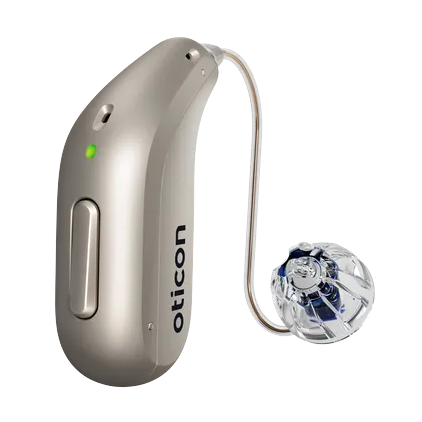
Oticon Reveal Review: Preise, Funktionen und erste Eindrücke
)
)
)
Unser Expertenteam wählt Produkte sorgfältig aus und testet sie gründlich. Wenn Sie über unsere Links kaufen, erhalten wir möglicherweise eine Provision. So halten wir unsere Bewertungen unabhängig.

Auf einen Blick
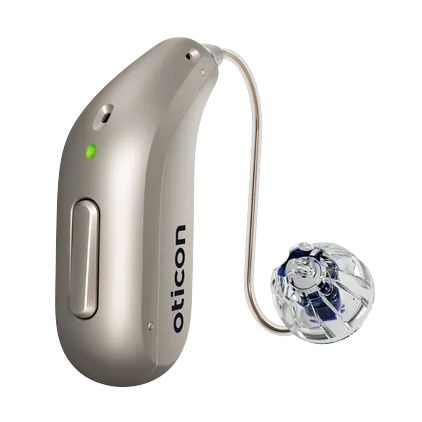
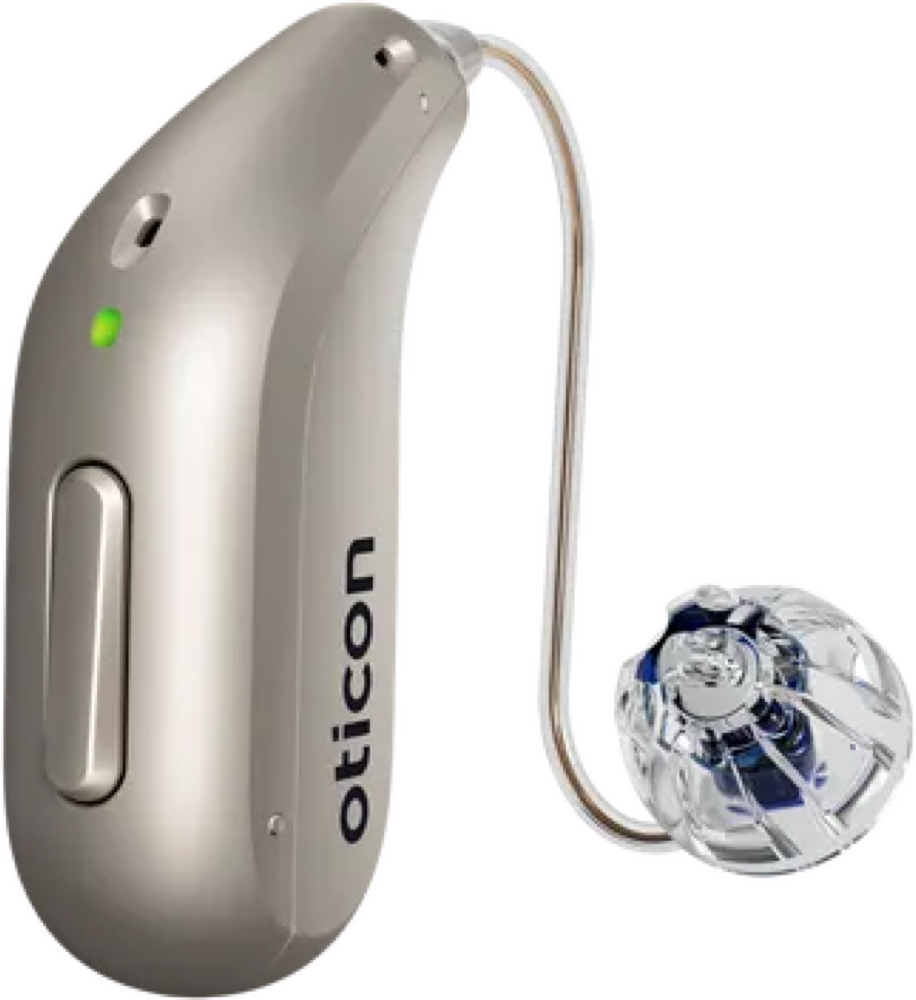
Reveal ist Oticons neuestes Hörgerät mit Lautsprecher im Gehörgang: Das Hauptgehäuse sitzt hinter Ihrem Ohr, mit einem kleinen Lautsprecher im Gehörgang. Es basiert auf dem, was Oticon ein duales KI-Klangverarbeitungssystem nennt. Speech AI folgt Stimmen, während Context AI Umgebungsgeräusche bewahrt. Ziel ist es, Gesprächen leichter folgen zu können, ohne die Hintergrundhinweise zu verlieren, die Ihnen helfen, sich mit einem Restaurant, einem Familientreffen oder einer anderen belebten Umgebung verbunden zu fühlen.
Reveal ist als wiederaufladbares miniRITE R Modell in vier Technologiestufen erhältlich und teilt sich sein Gehäuse mit dem früheren Oticon Intent. Der Reveal Optimizer wurde entwickelt, um Rückkopplung zu kontrollieren – das Pfeifen oder Kreischen, das Hörgeräte manchmal erzeugen können. Weitere Aktualisierungen umfassen Störschallunterdrückung bei Wind- und Handhabungsgeräuschen, Bluetooth-Streaming und einen kleineren CROS RE Sender für einseitige Gehörlosigkeit. Die folgenden Laborergebnisse gelten für Reveal 1 miniRITE R, die Premiumstufe; sie sind keine separaten Testergebnisse für Reveal 2, 3 oder 4.
Der Audiologe Matthew Allsop, der eine der größten unabhängigen Hörkliniken des Vereinigten Königreichs leitet und mit der Technologie aller großen Hersteller arbeitet, erhielt am britischen Hauptsitz von Oticon einen frühen Einblick in Reveal und erlebte die erste Reveal-Anpassung im Vereinigten Königreich. Sein Video vom Einführungstag erscheint oben; die folgenden Abschnitte verbinden seinen Überblick mit den neueren Testergebnissen.
Preise & Betreuung vergleichen
Wählen Sie eine Technologiestufe und vergleichen Sie dann Anbieter und enthaltene Betreuung. Die Preise gelten pro Paar.

Am besten für die Pflege in Kliniken4,8(658 Bewertungen)
- 600+ locations
- Local care included
- 500+ 5-star reviews
- All major brands
Funktionen der Technikstufen vergleichen
Was Premium gegenüber Fortgeschritten bietet
- 64 statt 48
- 3 Konfigurationen statt 2 Konfigurationen
- 3 Konfigurationen statt 2 Konfigurationen
- 6 Konfigurationen statt 5 Konfigurationen
- 3 Konfigurationen statt 2 Konfigurationen
- 24 statt 20
Keine Preissenkung verpassen
Benachrichtigung bei Preissenkung für dieses Produkt
Über unsere Tests: Diese Seite kombiniert Matthew Allsops Überblick vom Einführungstag, Steve Taddeis frühe praktische Bewertungsnotizen für HearingTracker und standardisierte Laborergebnisse von HearAdvisor. HearingTracker und HearAdvisor sind separate Unternehmen mit teilweise identischer Führung; Steve ist zudem Mitgründer und Laborleiter von HearAdvisor. HearAdvisor bestimmt seine Testmethoden und SoundScores unabhängig von Herstellern; HearingTracker ist für die redaktionellen Schlussfolgerungen dieser Seite verantwortlich.
Was die Laborergebnisse zeigen
Die Labortests von HearAdvisor mit Oticon Reveal 1 miniRITE R zeigten eine starke Sprachleistung in ruhigen und lauten Umgebungen. Während der Rückkopplungstests des Labors war kein Pfeifen oder Kreischen zu hören.


Um diese Sprachergebnisse zu erzielen, war jedoch ein Ohrpassstück erforderlich, das den Gehörgang dichter abdichtete. Eine dichtere Abdichtung kann tieffrequenten Schall der eigenen Stimme einschließen, wodurch sie lauter oder dröhnend klingt. Dies wird als Okklusionseffekt bezeichnet.
Diese dichtere Abdichtung hat auch Vorteile. Sie begrenzt, wie viel Außengeräusch Ihr Trommelfell erreicht, ohne die Klangverarbeitung des Hörgeräts zu durchlaufen, sodass die Störschallunterdrückung wirksamer sein kann. Sie trägt außerdem dazu bei, Bässe beim Musikstreaming zu erhalten, und reduziert verstärkten Schall, der zu den Mikrofonen zurückdringt und dort Pfeifen verursachen kann.
Sie müssen nicht dasselbe im Labor getestete Ohrpassstück verwenden. Ihr Hörakustiker kann ein Schirmchen oder eine Otoplastik auswählen, die zu Ihren Ohren und Ihrem Hörverlust passt. Eine offenere Anpassung kann Ihre eigene Stimme natürlicher klingen lassen, kann jedoch auch eine weniger wirksame Störschallunterdrückung, weniger Bass beim Streaming und ein höheres Risiko für Pfeifen bedeuten. Die veröffentlichten Bewertungen spiegeln die getestete Konfiguration wider, sodass Ihre Ergebnisse mit einem anderen Ohrpassstück abweichen können.
Die Ergebnisse verstehen
Die Tests verwendeten ein Standardprofil für mittelgradigen Hörverlust und das automatische Alltagsprogramm. HearAdvisor maß den Klang nach der Anpassung der Hörgeräte mit den Standardvorgaben des Herstellers (Initial Fit) und anschließend erneut nach der Feinanpassung der Hörgeräte für eine bessere Übereinstimmung mit den verschreibungsgemäßen Verstärkungszielen (Tuned Fit). Das Labor führt für beide Anpassungsbedingungen ein Bass-Schirmchen auf. Die Ergebnisse gelten für diese Testkonfigurationen; Ihr Hörverlust und Ihre Anpassung können abweichen.
HearAdvisors SoundScore misst die Klangleistung und kann 5 überschreiten. Der separate HearingTracker Score umfasst außerdem Bewertungen zur alltäglichen Nutzung und den Preis.
Oticon Reveal 1 miniRITE R
Frühe praktische Eindrücke
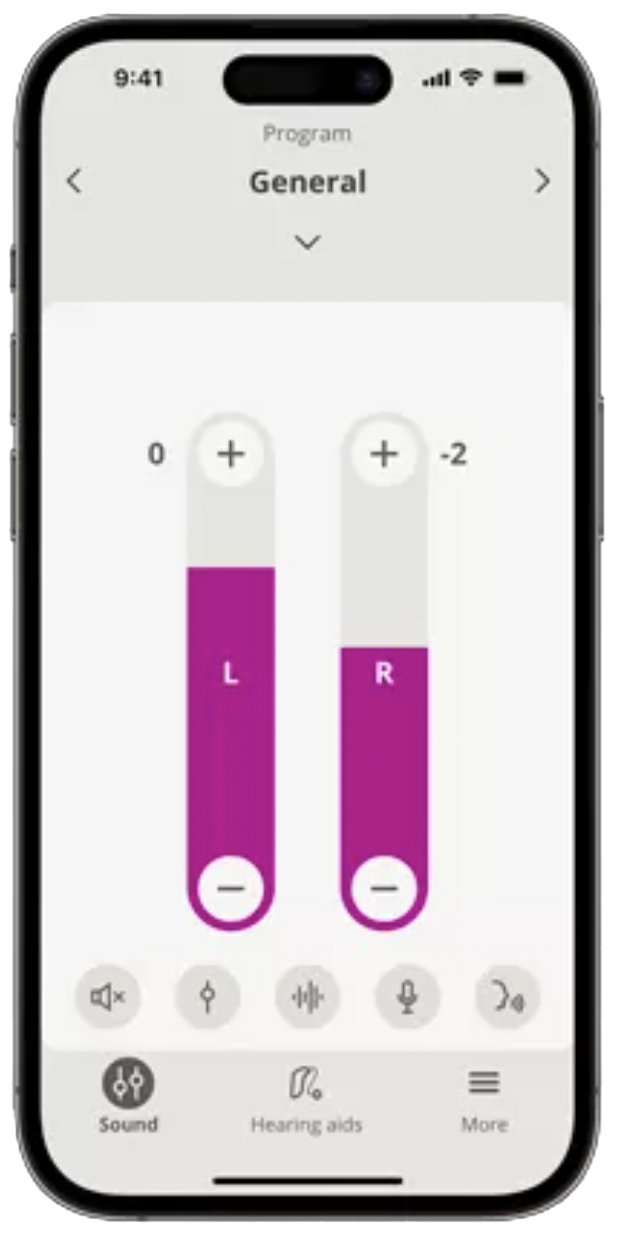
Steves frühe praktische Bewertungen bieten einen ersten Einblick in die alltägliche Nutzung vor seiner vollständigen Rezension. Er empfand Reveal als angenehm zu tragen und sowohl mit der Taste als auch mit der Oticon Companion App leicht einstellbar. Die Bluetooth-Kopplung war unkompliziert und stabil, mit guter Klangqualität beim Musikstreaming und bei Freisprechanrufen, vergleichbar mit anderen Hörgeräten auf Rezept.
Die Hörgeräte wirkten hochwertig verarbeitet, aber Teile des Ladegeräts – insbesondere der Deckel – wirkten weniger robust als erwartet. In den Notizen wird Reveal außerdem als recht unauffällig beschrieben, wenn auch größer als viele neuere „Micro“- oder „Mini“-Designs.
Sprachverständlichkeit ist nicht das ganze Bild
Oticons Ausgangspunkt für Reveal ist eine Kritik daran, wie der Rest der Branche KI angeht. Wie Allsop es ausdrückte, als er Oticons Argumentation zusammenfasste: „Das echte Leben ist kein Podcast.“ Typischerweise hören Sie nicht eine einzelne isolierte Stimme in Stille. Sie hören einen Partner, Enkelkinder oder Freunde zusammen mit Schritten, Verkehr, Musik, Geschirr und Dutzenden anderen Hintergrundhinweisen, die Ihrem Gehirn sagen, wo Sie sind und was um Sie herum geschieht.
Oticon argumentiert, dass Hörgeräte Sprache traditionell als einzig wertvolles Signal und alles andere als zu unterdrückendes Geräusch behandelt haben und dass das Entfernen zu vieler Elemente der umgebenden Welt Sprache zwar verständlicher machen kann, das Hörerlebnis jedoch weniger natürlich wirken lässt. Allsops Veranschaulichung: In einem Freizeitpark sollen die Stimmen Ihrer Familie klar sein, aber das Riesenrad, die Popcornmaschine und das Stimmengewirr ringsum gehören zu dem, was Ihrem Gehirn hilft, die Szene zu verstehen. Entfernt man das, kommen die Worte vielleicht durch, doch das Erlebnis wird isolierend.
Oticon ordnet dies einem Konzept zu, das es die Gehirnbibliothek nennt: einer Sammlung von Klangerinnerungen, die das Gehirn nutzt, um eine Umgebung zu erkennen, sie mit Emotionen zu verknüpfen und zu entscheiden, was Aufmerksamkeit verdient. Die Idee hinter Reveal besteht darin, dem Gehirn genug von diesem Kontext zurückzugeben, ohne dabei Sprache zu verlieren – was Allsop als Balance und nicht als Entweder-oder beschrieb. Wenn die Störschallunterdrückung vollständig ausgeschaltet wird, geht Sprache in der Umgebung verloren; wird zu viel unterdrückt, wirkt das Erlebnis künstlich.
Oticon Reveal kombiniert Speech AI und Context AI für klare Sprache, ohne Hintergrundgeräusche zu verlieren. Erfahren Sie, wie der Audiologe Matthew Allsop Oticon Reveal bewertet.
Wichtige Merkmale
Expertenbewertung
Dual AI: Speech AI und Context AI
Der Mechanismus hinter dieser Balance ist das, was Oticon AI Clarifier nennt und was das Unternehmen als weltweit erstes duales KI-Hörgerätesystem beschreibt: zwei gleichzeitig arbeitende KI-Algorithmen.
- Speech AI durchsucht die Umgebung genauer nach Stimmen als sein Vorgänger.
- Context AI verarbeitet und bewahrt Umgebungsgeräusche separat.
Speech AI bietet drei Einstellungen, um anzupassen, wie weitreichend sie Stimmen um Sie herum erfasst. Front konzentriert sich stärker auf Sprache vor Ihnen. Wide, die Standardeinstellung, erweitert diesen Fokus, um mehr Stimmen in der Nähe einzubeziehen. Full erweitert ihn weiter für Personen, denen es leichter fällt, Stimmen von Störgeräusch zu trennen.
Diese Einordnung klingt ähnlich wie die Technologie gerichteter Mikrofone, und Allsop sagte, er habe Oticon genau zu diesem Punkt befragt: Das Unternehmen hält daran fest, dass seine KI-Verarbeitung anders funktioniert als herkömmliche gerichtete Mikrofone.
Laut von Oticon zitierter Forschung erzeugt Reveal eine um 60% stärkere Gehirnreaktion als Oticon Intent, was das Unternehmen auf die seiner Aussage nach weltweit beste Kombination aus schnellster und präzisester KI-Klangverarbeitung zurückführt. Dies ist ein Forschungsergebnis des Herstellers. Die neuen Akustiktests von HearAdvisor bewerten die Klangleistung; sie messen keine Gehirnreaktionen und bestätigen diesen Prozentsatz nicht.
Wind and Handling Stabilizer 2.0
Beide KI-Systeme benötigen ein sauberes Signal zur Analyse, und hier kommt der aktualisierte Wind and Handling Stabilizer ins Spiel. Wind, der über freiliegende Hörgerätemikrofone weht, kann ein Gespräch im Freien beeinträchtigen. Oticon sagt, dass die aktualisierte Version Wind- und Handhabungsgeräusche um bis zu 40 Dezibel reduziert, 10 Dezibel mehr als die vorherige Generation, und dabei Wind im Freien, über die Mikrofone streichendes Haar sowie die beim Berühren eines Hörgeräts entstehenden Handhabungsgeräusche abdeckt.
Allsop erklärte, warum diese Funktion wichtig sein kann: „Sie werden überrascht sein, wie oft meine Patienten berichten, dass Gespräche im Freien unmöglich sind, wenn sie bei Wind draußen sind.“
:format(webp))
4D-Sensortechnologie und der Voice Clarifier
Reveal behält die in Oticon Intent eingeführte 4D-Sensortechnologie bei, die Informationen über die akustische Umgebung und nahe Gespräche mit Daten von integrierten Bewegungssensoren kombiniert, welche Kopf- und Körperbewegungen erfassen.
Oticon beschreibt es so: Wenn Sie stillstehen, um mit einer Person zu sprechen, fokussieren die Mikrofone stärker auf den Bereich vor Ihnen. Wenn Sie Ihren Kopf zwischen Personen in einer Gruppe drehen, erfassen sie Stimmen breiter. Der Voice Clarifier nutzt die Sensorinformationen, um anzupassen, wie er Schall aus unerwünschten Richtungen über 24 Frequenzkanäle reduziert, und aktualisiert dies 500-mal pro Sekunde.
Die interne Forschung von Oticon ergab, dass 94% der Studienteilnehmer diese neue Technologie gegenüber der von Intent bevorzugten. Allsops Vorbehalt: „Es handelt sich um interne Forschung eines Herstellers, und es ist seine Aufgabe, Hörgeräte großartig klingen zu lassen.“
:format(webp))
Der Reveal Optimizer
Der Reveal Optimizer ist das aktualisierte System von Oticon zur Kontrolle von Pfeifgeräuschen, ohne die Verstärkung zu verringern. Allsop erklärte, dass das bloße Leiserstellen eines Hörgeräts die Pfeifgeräusche stoppen kann, aber auch Sprache schwerer hörbar macht. Ziel ist es, Rückkopplungen zu kontrollieren und gleichzeitig die benötigte Verstärkung zu erhalten.
Oticon behauptet, dass der Reveal Optimizer 30% schneller arbeitet als der vorherige MoreSound Optimizer, viermal präziser ist und bis zu 4 Dezibel mehr Verstärkung ermöglicht, bevor Rückkopplungen beginnen. In einem Vergleich mit dem, was Allsop als Hauptkonkurrenten von Oticon beschrieb, berichtete Oticon über bis zu 25 Dezibel mehr Verstärkung und mindestens 10% höheren prognostizierten Sprachzugang. Wie Allsop anmerkte, handelte es sich dabei um Laborvergleiche des Herstellers; sie belegen nicht, wie viel Verbesserung Sie im Alltag bemerken würden.
Er warnte außerdem: „Kein Rückkopplungsmanagementsystem sollte eine angemessene akustische Ankopplung ersetzen.“ Mit anderen Worten: Das Ohrpassstück muss weiterhin zu Ihrem Ohr und Ihrem Hörverlust passen; eine Otoplastik oder ein anderer Schirm kann die bessere Option sein.
Design und Batterie
Reveal wurde in einem einzigen Modell eingeführt, dem miniRITE R, das dasselbe Außengehäuse wie Oticon Intent verwendet. Allsop begrüßte diese Entscheidung: Die zusätzliche Technologie hatte die Hörgeräte nicht größer gemacht als Intent.
Das R steht für wiederaufladbar. In den Spezifikationen von Oticon für Reveal steht:
- 15-minütige Aufladung: Bis zu 4 Stunden Nutzung.
- 1-stündige Aufladung: Nutzung für einen ganzen Tag.
- Vollständige Aufladung: Bis zu 24 Stunden im technischen Datentest von Oticon, gemessen, während die Hörgeräte inaktiv waren. Streaming, aktivierte Funktionen, Hörverlust, Umgebung und Batteriealter beeinflussen die tatsächliche Laufzeit.
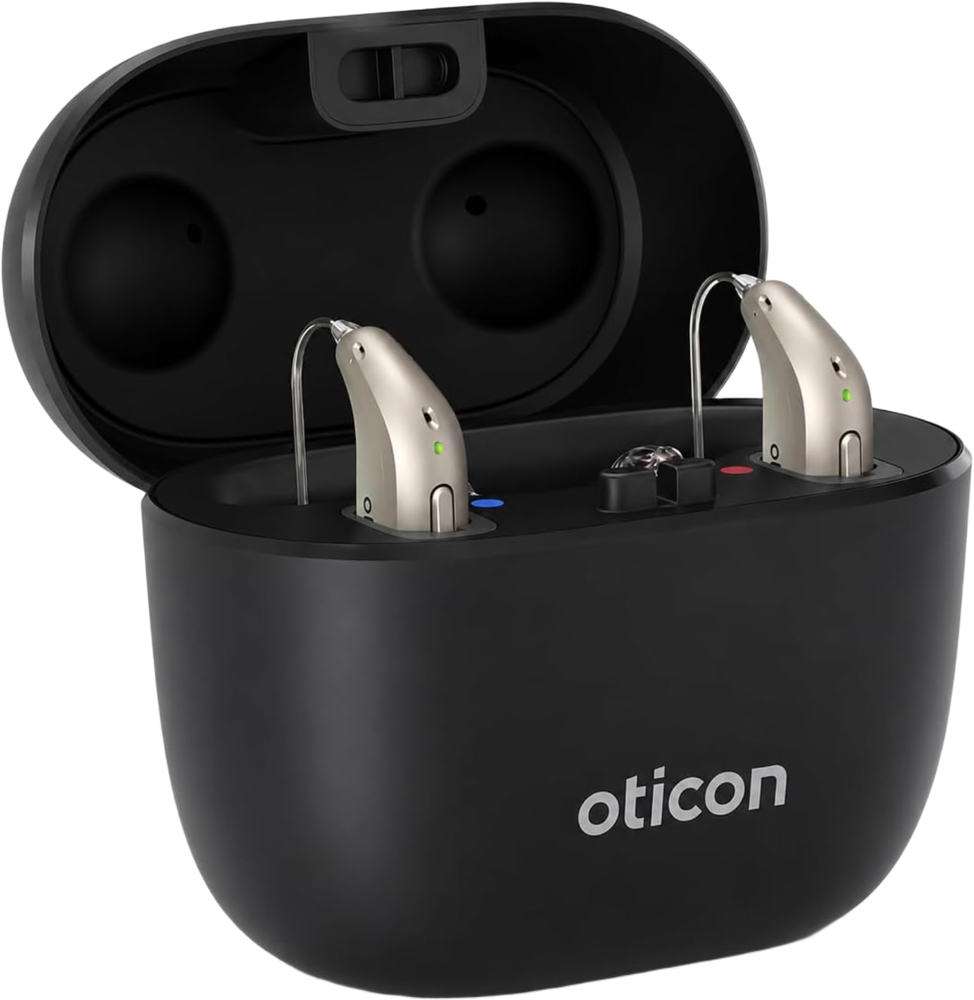
Die SmartCharger-Anleitung nennt unter den empfohlenen Temperaturbedingungen eine Ladezeit von bis zu zwei Stunden.
Es sind zwei Ladegeräte erhältlich: ein Standard-Tischladegerät, das an eine Steckdose angeschlossen bleiben muss, und ein tragbarer SmartCharger, dessen vollständig aufgeladene Powerbank ein Paar Hörgeräte mindestens dreimal fernab einer Stromquelle aufladen kann. Allsop bevorzugte das tragbare Ladegerät wegen der Flexibilität, die es auf langen Flügen oder Reisen ohne zuverlässigen Zugang zu Strom bietet, etwa beim Camping.
:format(webp))
Konnektivität
Oticon gibt an, die Bluetooth-Konnektivität von Reveal gegenüber Intent deutlich verbessert zu haben, und nennt eine Verbesserung der Streaming-Reichweite um 32% sowie eine um 53% höhere Verbindungsstabilität. Eine neue Streaming Comfort Funktion reduziert während des Streamings von Musik, Podcasts oder Telefonaten automatisch den Pegel der umgebenden Geräusche um etwa 10 Dezibel, sodass die gestreamten Audiosignale im Mittelpunkt bleiben, ohne von Umgebungsgeräuschen überlagert zu werden.
Reveal unterstützt Made for iPhone, kompatible Android-Geräte, Google Fast Pair, Bluetooth LE Audio, T-Spule und Auracast, die ab der Markteinführung aktiv sind, was laut Allsop nicht bei jedem Herstellerportfolio selbstverständlich ist.
CROS RE bei einseitiger Gehörlosigkeit
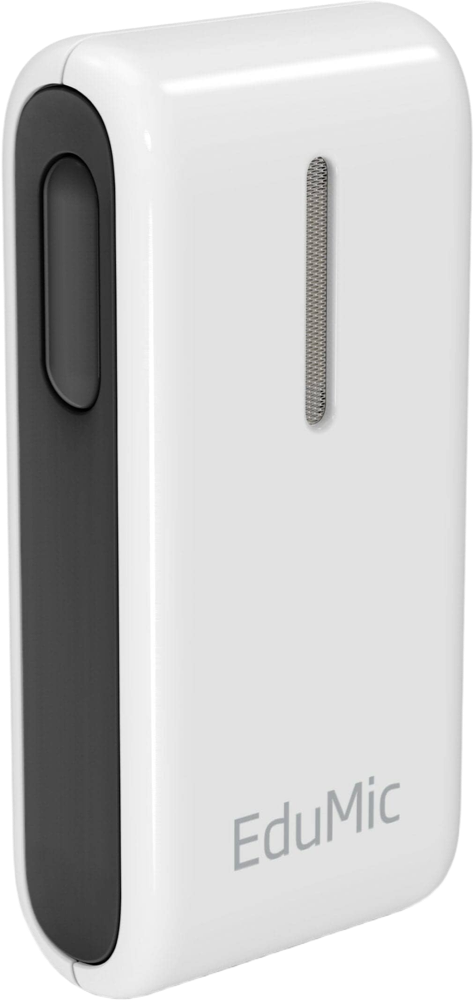
Zusammen mit Reveal hat Oticon einen neuen CROS-Sender, CROS RE, für Menschen mit einseitiger Gehörlosigkeit eingeführt. Anders als das mit Intent verwendete CROS entspricht CROS RE in der Größe Reveal und nutzt dasselbe Ladegerät, was das System laut Allsop für CROS-Träger erheblich komfortabler macht. CROS RE ist außerdem abwärtskompatibel mit Intent, sodass bestehende Intent-Träger, die eine CROS-Lösung benötigen, den neuen Sender verwenden können.
Was beim Vergleich von Reveal zu beachten ist
Ob Reveal ein erstes Hörgerät oder ein Upgrade wäre: Seine Klangverarbeitung, Alltagsfunktionen und Einschränkungen bieten mehrere Vergleichspunkte. Allsop hob in seinem Überblick am Einführungstag die folgenden Funktionen hervor; die Laborergebnisse und Steves frühe Praxiseindrücke liefern nun zusätzliche Hinweise zu Leistung und Nutzung.
- Wechselnde Lautsprecher: Die Einstellungen Front, Wide und Full von Speech AI variieren den Fokus nach vorn für Gespräche in Restaurants, bei Familientreffen oder in Besprechungen.
- Eine vollere Klangszene: Context AI zielt darauf ab, Umgebungsgeräusche neben Sprache beizubehalten und mehr von der Atmosphäre einer Umgebung zu bewahren.
- Rückkopplungsmanagement: Der Reveal Optimizer soll Pfeifgeräusche kontrollieren und gleichzeitig die benötigte Verstärkung erhalten.
- Nutzung im Freien: Wind and Handling Stabilizer 2.0 zielt auf Wind-, Haar- und Kontaktgeräusche an den Mikrofonen ab.
- CROS-Option: Der kleinere CROS RE Sender nutzt das Ladegerät von Reveal und ist auch mit Intent kompatibel.
- Konnektivität: Steve empfand die Bluetooth-Kopplung als unkompliziert und stabil. Oticon behauptet außerdem Verbesserungen bei Reichweite und Stabilität gegenüber Intent.
Upgrade von Oticon Intent
Allsop sah nützliche Verbesserungen bei Reveal, hielt ein Upgrade jedoch nicht für jeden Nutzer von Intent für notwendig. Die Laborergebnisse belegen keine bessere Leistung in jeder Hörsituation: Reveal und Intent wurden mit unterschiedlichen Ohrpassstücken und Anpassungen getestet. Vergleichen Sie Reveal 1 und Intent 1 direkt nebeneinander hinsichtlich ihrer aktuellen Bewertungen, Funktionen und Preise.
Was uns gefällt
- Laborleistung: Starke Sprachergebnisse und kein hörbares Pfeifen in den Rückkopplungstests des Labors.
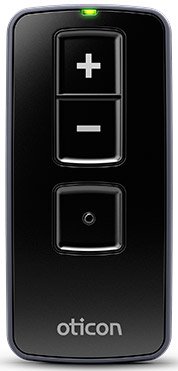
- Komfort und Bedienelemente: Frühe Bewertungsnotizen beschreiben bequeme Hörgeräte und einfache Anpassungen über Tasten und App.
- Bluetooth: Stabile Verbindungen bei früher Nutzung, mit Auracast-Unterstützung ab Markteinführung.
- Anpassbare Klangverarbeitung: Die Optionen Front, Wide und Full passen den Fokus von Speech AI nach vorn an, während Context AI Umgebungsgeräusche bewahrt.
- Vertraute Größe: Dasselbe Gehäuse wie Intent, mit aktualisierten Systemen für Windgeräusche und Rückkopplungsmanagement.
- CROS-Option: Ein kleinerer, auf Reveal abgestimmter Sender und gemeinsames Ladegerät, mit Intent-Kompatibilität.
Nachteile
- Ihre eigene Stimme: Laborergebnisse deuten bei den getesteten Schirmen auf einen dröhnenden Klang hin. Offenere Schirme bringen Kompromisse mit sich.
- Verarbeitung des Ladegeräts: Die frühen Bewertungsnotizen kennzeichnen Teile des Ladegeräts, insbesondere den Deckel, als weniger robust als erwartet.
- Größe: Größer als viele neuere „Micro“- oder „Mini“-Hörgeräte, trotz eines recht unauffälligen Erscheinungsbilds.
- Grenzen der Evidenz: Die Laborergebnisse bestätigen weder die Behauptungen von Oticon zu Gehirnreaktionen noch sagen sie exakt voraus, was Sie hören werden.
Unser frühes Fazit
Reveal schnitt in den Sprachtests des Labors gut ab und hielt Pfeifgeräusche unter Kontrolle. Steve empfand die Hörgeräte als bequem, die Bedienelemente als einfach zu nutzen und Bluetooth als stabil. Vorbehalte bestehen hinsichtlich eines möglichen dröhnenden Klangs der eigenen Stimme mit den getesteten Ohrpassstücken sowie der Verarbeitung des Ladegeräts, insbesondere seines Deckels.
Ihr Hörakustiker kann ein anderes Ohrpassstück wählen und damit das Gleichgewicht zwischen einer natürlich klingenden Stimme und den Vorteilen einer dichteren Abdichtung bei Geräuschunterdrückung, Streaming und Rückkopplung verschieben. Die Laborergebnisse entscheiden diese Wahl nicht für Sie.
Dies sind frühe Erkenntnisse zu Reveal 1 miniRITE R. Die vollständige Bewertung von Steve Taddei folgt noch.
Tina Sieber, PhD
GesundheitsjournalismusTina Sieber ist eine Technologiejournalistin mit über 10 Jahren Erfahrung und einem PhD in Biochemie. Nach einer Episode plötzlichen einseitigen Hörverlusts wurde bei ihr 2018 ein gutartiger Hirntumor diagnostiziert. Seitdem schreibt sie über Hörverlust und testet Hörgeräte für große Technologiepublikationen.
Matthew Allsop
AudiologeMatthew Allsop ist der Video Content Manager bei HearingTracker. Er verfügt über fast zwei Jahrzehnte Erfahrung in der Audiologie und war sowohl im NHS als auch im privaten Sektor tätig. Er nimmt neue Patienten bei Harley Street Hearing in London auf.
Steve Taddei, AuD
Doktor der AudiologieSteve Taddei, Au.D., ist Audiologe, Mitbegründer und Laborleiter von HearAdvisor sowie praktischer Tester von Hörgerät und Ohrstöpseln für HearingTracker. Er hat einen Abschluss in Audiotechnik vom Columbia College Chicago und einen Doktortitel in Audiologie von der Northern Illinois University. Außerdem unterrichtet er als nebenberufliches Fakultätsmitglied an mehreren Hochschulen.