Zoom Fatigue bietet Einblick in das Verständnis von Hörverlust
)
Empfohlene Produkte
Alle vergleichen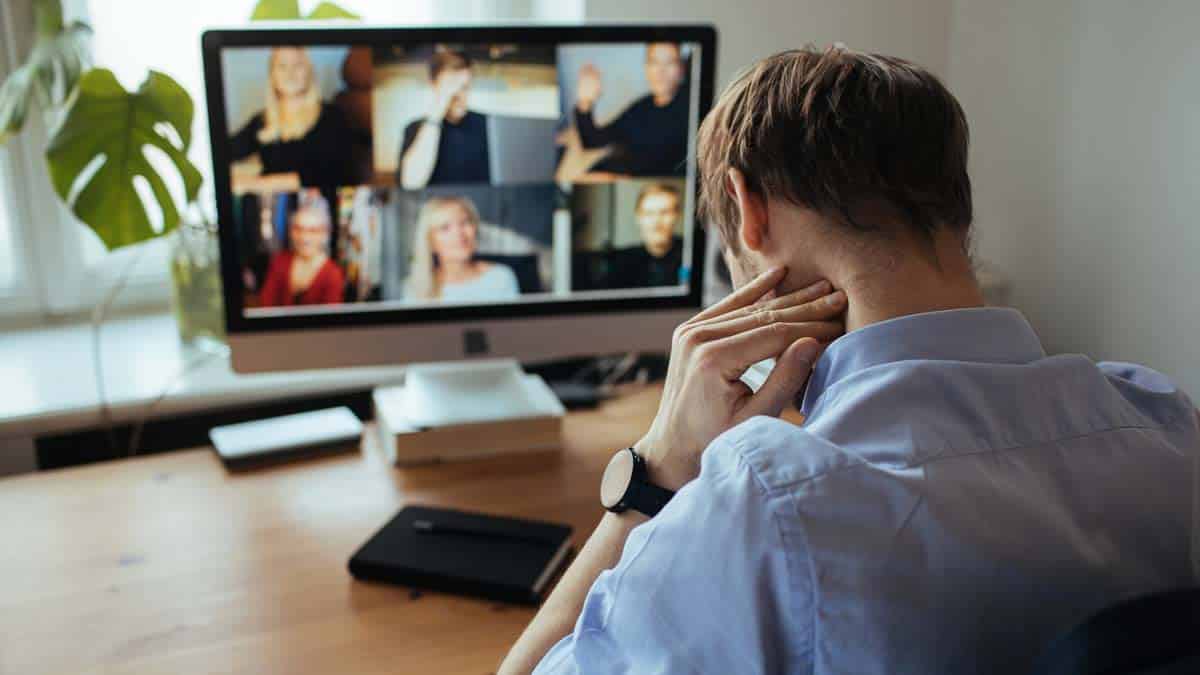
Kennen Sie Zoom fatigue — dieses Gefühl völliger Erschöpfung nach einem langen Tag voller Video conference calls? Ich jedenfalls schon. Ein kürzlich veröffentlichter Artikel in Technology, Mind and Behavior erklärt die Gründe dafür. Als ich den Artikel las, begann ich, die Parallelen zwischen Zoom fatigue und den Problemen zu erkennen, mit denen ich als Person mit hearing loss regelmäßig konfrontiert bin.
Forschung erklärt die psychologischen Gründe für Zoom fatigue
Die Studie, durchgeführt von Stanford University Professor Jeremy Bailenson, untersuchte die psychologischen Auswirkungen, so viele Stunden täglich in Videochats zu verbringen. Er identifizierte vier Faktoren, die zu Zoom fatigue beitragen. Die Studie bot außerdem Vorschläge dazu, wie Verbraucher und Organisationen diese abmildern können.
Vier Faktoren, die zu Zoom fatigue beitragen:
- Übermäßiger intensiver Augenkontakt aus nächster Nähe
- Hohe kognitive Belastung bei der Interpretation und Erzeugung nonverbaler Signale
- Der Stress, sich selbst den ganzen Tag anzusehen
- Eingeschränkte Beweglichkeit bei Videochats
Die ersten beiden gehören für Menschen mit hearing loss einfach zum alltäglichen Gespräch dazu. Ständige und kontinuierliche visuelle Aufmerksamkeit ist für uns nichts Neues — so hören wir!
1. Übermäßiger intensiver Augenkontakt aus nächster Nähe
In einem Zoom-Meeting verbringen die Teilnehmenden die gesamte Zeit damit, einander aufmerksam anzusehen. Selbst wenn Sie nicht sprechen, fühlt es sich an, als wären alle Augen auf Sie gerichtet, und umgekehrt. Wenn jemand anderes spricht, sehen Sie diese Person aus nächster Nähe, ohne nennenswerte Pausen. Das ist nicht typisch.


In einem normalen Meeting nehmen Menschen gelegentlich Blickkontakt auf, während sie zugleich auf ihre Notizen schauen, ein Bild an der Wand betrachten oder woanders hinsehen. Es ist nicht so intensiv oder konstant, sodass die kognitive Belastung geringer ist.
Für Menschen mit hearing loss ist anhaltende Aufmerksamkeit für die sprechende Person jedoch die Norm. Speechreading erfordert, dass wir genau auf die Augen der Person, die Bewegung ihrer Lippen und andere nonverbale Hinweise wie ihren Gesichtsausdruck achten. Wir haben nicht den Luxus, unseren Blick abzuwenden — wir könnten einen wichtigen Hinweis darauf verpassen, was sie sagen. Diese unablässige Aufmerksamkeit ist erschöpfend — auf Zoom und persönlich — daher die hearing loss exhaustion, die wir nach einem langen Tag des aktiven Zuhörens häufig verspüren.
2. Hohe kognitive Belastung bei der Interpretation und Erzeugung nonverbaler Signale
Bei Speechreading dreht sich alles um nonverbale Kommunikation. Das leichte Zucken am Mundwinkel kann Humor anzeigen, oder Anspannung auf der Stirn kann Belastung bedeuten. Menschen mit hearing loss achten ständig auf diese subtilen Details, um ihnen bei der Kommunikation zu helfen. Das ist unsere Norm.
Doch für hörende Menschen erfordern nonverbale Hinweise laut der Studie nicht viel bewusste Aufmerksamkeit. Das ändert sich bei einem Zoom-Anruf, wo Gesten weniger gut erkennbar sind und aus dem Zusammenhang gerissen werden können. Nickt diese Person zustimmend oder weil jemand anderes den Raum betreten und ihr eine Frage gestellt hat? Sollte ich zur Zustimmung den Daumen hochhalten oder einfach mit dem Kopf nicken?
Die zusätzliche kognitive Belastung, die mit der Beachtung dieser nonverbalen Hinweise verbunden ist, kann auf Zoom erschöpfend sein. Für Menschen mit hearing loss gehört dies jedoch zum Alltag.
Willkommen in unserer Welt
Ein Lichtblick der Pandemie ist, dass hörende Menschen nun erkannt haben, was Menschen mit hearing loss schon immer wussten — sich auf ein Gespräch zu konzentrieren, erfordert Arbeit! Wenn persönliche Meetings und Zusammenkünfte wieder häufiger werden, bleibt unsere kognitive Belastung hoch. Doch vielleicht hat Zoom fatigue dazu beigetragen, eine empathischere hörende Welt zu schaffen — eine Welt, die die Kommunikationsherausforderungen, mit denen wir konfrontiert sind, besser verstehen wird.
Shari Eberts
Fürsprecher für HörgesundheitShari Eberts ist eine engagierte Fürsprecherin, Autorin und Lautsprecherin für Themen rund um Hörverlust. Sie ist die Gründerin von Living with Hearing Loss, einem beliebten Blog und einer Online-Community für Menschen mit Hörverlust, sowie Executive Producer von We Hear You, einer preisgekrönten Dokumentation über die Erfahrung mit Hörverlust. Ihr gemeinsam verfasstes Buch Hear & Beyond: Live Skillfully with Hearing Loss ist der ultimative Überlebensleitfaden für ein gutes Leben mit Hörverlust. Shari hat einen genetisch bedingten Hörverlust, der im Erwachsenenalter eingesetzt hat, und hofft, dass sie anderen durch das Teilen ihrer Geschichte dabei helfen wird, friedlicher mit ihren eigenen Hörproblemen zu leben. Besuchen Sie Shari auf LivingWithHearingLoss.com.