Ontario Moves Toward OTC Hearing Aids, but Launch Date Remains Unset
Proposed changes would expand hearing support options for adults with mild-to-moderate hearing loss, while preserving prescription care and existing funding.
Hearing aid glossary
Looking that up…
Terms are matched automatically. A definition may not fit every context.

Ontario plans to open a nonprescription route to hearing assistance, announcing it will pursue changes that allow adults with mild-to-moderate hearing loss to use Health Canada-approved over-the-counter (OTC) hearing aids. The announcement did not establish a start date.
The proposal follows an April 2026 public consultation that the government says drew strong support. Deputy Premier and Minister of Health Sylvia Jones said the initiative means “we’re giving Ontarians more choice and flexibility to get the hearing support they need, when and where they need it.”
What would change?
Ontario says its prescription care system would remain unchanged. Currently, the province’s Assistive Devices Program contributes 75% of the cost of prescribed hearing aids for eligible residents, capped at CA$500 per ear (CA$1,000 per pair). Replacement funding depends on changes in medical need or an existing device becoming worn out, moving outside its warranty, or becoming uneconomical to repair. More generous support and additional assistance may be available in special circumstances, and through disability-support or workplace-injury programs.


Nonprescription OTC products would not qualify for the funding.
Ontario currently requires a physician’s or audiologist’s prescription for hearing aids. Health Canada has licensed some wireless earbuds with hearing aid functionality, but provincial restrictions remain a separate barrier to access. Under the planned changes, manufacturers could activate hearing aid features in qualifying earbuds and in-ear headphones.
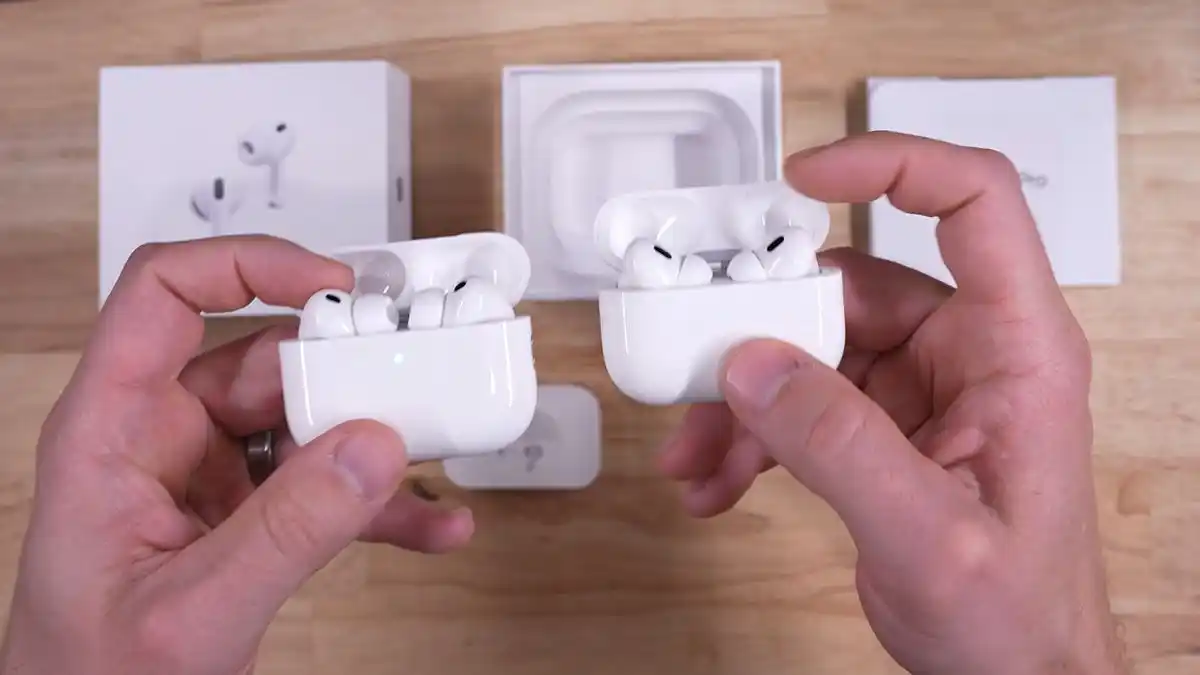
For example, Apple’s recent rollout of its hearing features illustrates Canada’s province-by-province approach. On October 26, the company announced that its AirPods Pro Hearing Test feature was available nationwide, while its Hearing Aid feature became available in five provinces: Alberta, British Columbia, New Brunswick, Prince Edward Island, and Saskatchewan. Ontario was not included, showing the difference between federal device authorization and provincial rules governing access.
The College of Audiologists and Speech-Language Pathologists of Ontario (CASLPO) has generally supported exploring access as another entry point to hearing care. In its consultation update, the regulator emphasized that professional assessment, diagnosis, and continuing management remain valuable, and that OTC options should complement existing services.
How might Ontario’s proposal compare with U.S. OTC rules?
The United States established a nationwide OTC hearing aid category in October 2022 for adults 18 and older with perceived mild-to-moderate hearing loss (suggesting a corresponding hearing threshold level of about 26-55 dBHL). Buyers do not need a prescription, medical examination, or professional fitting. However, the sets device requirements, including limits on maximum sound output and mandatory labeling identifying symptoms that warrant medical attention. Consumers can also choose to involve an audiologist or other hearing professional.
Ontario is approaching access through a different regulatory structure. Health Canada licenses medical devices federally, while provincial legislation governs hearing aid prescribing and dispensing. Ontario’s proposal would remove barriers to accessing qualifying Health Canada-authorized devices without a prescription; however, it does not itself establish a nationwide Canadian OTC category equivalent to the FDA’s framework. Implementation details remain pending.
As with the debate in the United States, much of the concern centers on consumer safeguards. In a recent Canadian Audiologist commentary, disability rights lawyer Lorin MacDonald argues that allowing for OTC hearing aids does not ensure appropriate treatment relative to assessment, fitting verification, and ongoing support. These concerns highlight an important implementation question: how to expand independent access while helping consumers recognize when they need professional care.
What does the research suggest?
Research previously covered by HearingTracker offers an encouraging, although qualified, picture of OTC hearing aids. For example, a 2023 randomized trial found that adults with mild-to-moderate hearing loss who self-fitted OTC devices, with remote support available, achieved comparable hearing benefit and speech-in-noise results after 6 weeks to participants fitted with the same devices using audiologist best practices. An 8-month follow-up found no significant differences in self-reported benefit among returning participants.

More evidence comes from a 2025 multisite randomized trial involving 584 adults, which found that two self-fitting approaches produced self-reported hearing benefits that were similar to audiologist best-practice fitting at 6 weeks and 6 months. A 2026 systematic review and meta-analysis of 15 studies and 774 participants likewise found no significant pooled differences between self-fitting and professionally fitted devices across several hearing outcomes. However, the reviewers rated the evidence as low certainty, noting that most studies were short and compared different fitting approaches using the same devices.
Results have not uniformly favored self-fitting. A separate 2025 trial involving 245 adults found better everyday outcomes with comprehensive audiologist care than with simulated, preset-based OTC devices—although all groups generally benefited from amplification. Limited professional assistance did not close that gap, and the study did not test commercially available self-fitting OTC hearing aids with manufacturer telecare.
Taken together, the findings suggest that well-designed OTC devices—particuarly those with access to remote assistance—can provide effective hearing help for some adults with mild-to-moderate hearing loss; however, outcomes depend on the quality of the device, fitting approach, and support provided.
Support is a crucial part of the OTC model, but the research doesn't establish how much benefit telecare adds or who might benefit most from it. HearingTracker is also quick to note a basic fact: over a common service lifetime of about 3-6 years, it’s very common for all hearing aids (prescription or OTC) to require service and repairs, adjustments for changing hearing needs, and troubleshooting. That means trial periods and warranties are also important considerations for consumers.
When will OTC hearing aids become available?
As of October 27, no specific implementation date had been announced. Access depends on completion of the legislative and regulatory changes.
The Canadian Press reports that the legislative measure is expected in Ontario’s fall economic update. That statement is due on or before November 15, 2026, but this publication date should not be construed as the date OTC sales or device features will become available.
Karl Strom
Editor in ChiefKarl Strom is the editor-in-chief of HearingTracker. He was a founding editor of The Hearing Review and has covered the hearing aid industry for over 30 years.