Nachrichten
Cutting-Edge Hearing Protection For Music Listening
Advice from a musician with hearing loss)
Veröffentlicht am Feb 7, 2018
:format(webp))
As a musician with bilateral hearing loss (that was not noise induced), I can tell you two things about me. One, I am very happy to be listening to and performing music again after almost 40 years away from it thanks to technology, auditory training, vocal work, and endless practice. And two, I am very careful about how much and for how long I listen to music and through what technologies I feed my music habit. Too many of us – young and old – are not exercising this type of caution when it comes to protecting our precious sense of hearing. Today’s amazing technologies provide a large variety of listening options, but also more sound exposure, and more ways to trigger noise induced hearing loss (NIHL)
Anyone at any time in life can all be exposed to harmful noise by a one-time, intense “impulse” sound like an explosion, or by continuous exposure to loud sounds over an extended period of time. That means noise-related hearing damage can be caused by playing in a band or attending a musical performance that is way too loud.
Recently, even superstar guitarist Eric Clapton divulged that he is going deaf from NIHL from his years of playing loud music in recording sessions and live performances.
But NIHL can also happen through the use of music streaming apps and MP3 players played through earbuds and headphones. Perhaps surprisingly, those tiny earbuds can do as much damage as any other noise infused activity or experience. In fact, often more.
Many doctors are on record saying that loud noise through ear buds is “compromising the hearing of an entire generation.” The World Health Organization says that 1.1 billion young people are at risk of hearing loss because of personal audio devices such as smartphones and the damaging levels of sound cranked up by electronic dance music festivals, for example, where noise levels can top 120 decibels for hours. Today, hearing loss among teens is running about 30 percent higher than in the 1980s and 1990s. One in five teenagers have hearing loss (especially high frequency loss) which experts believe is in part due to listening to loud music through earbuds and headphones.
In the US alone, the number of 20+ year-olds with hearing loss is expected to reach 44 million by 2020.
When music is played at high volume, earbuds deliver louder sound exposures than over-the-ear headphones. And they deliver them directly into the ear. That’s why the music may sound incredible but still carries greater risks when it comes to damaging hearing. The unfortunate news is that hearing loss from loud sounds isn’t recoverable, meaning that once you damage the little hair cells deep in your ear they don’t grow back and that part of your hearing is lost for good.
One piece of good news is that noise-isolating earbuds are a great alternative to the loose earbuds that often come packaged with new MP3 players and smartphones. Research has shown that people generally prefer to listen to music at louder levels when background noise competes with their music … so isolating your ears from background noise is a great way to reduce your overall noise exposure while listening your favorite tracks on the go. More good news? There are thousands of cheap noise-isolating earbuds available on Amazon.
The bad news? Every ear canal is different, and standardized noise-isolating earbuds don’t create a robust acoustic seal on every ear. Your chances of getting a good acoustic seal are pretty good, since most off-the-shelf noise-isolating earbuds come with alternative speaker domes (the soft silicone tips that fit on the earbuds), but if you have an oddly shaped ear canal, you might be out of luck!
:format(webp))
One company that’s paying attention and addressing this health crisis is Lantos Technologies in Woburn, MA. Made up of a team a team of audiologists, music lovers, engineers, and hearing health experts, they are marketing their solution to the earbud challenge. One of them is Dr. Brian Fligor, an audiologist and musician who has worked with musicians for years.
Full disclosure – Dr. Fligor has fitted me for ear monitors that I use in the studio and for live performances that allow me to hear and play and sing to music (My hearing loss does not allow me to use headphones any longer). He and his colleagues at Lantos have launched UVERO earbud technology and products that they claim combine “the best custom fit, sound quality and ear protection.”
The Uvero product line was launched when a 3D scanner developed at MIT was put into commercial use to create custom-fit consumer audio and hearing protection products. The scanner provides a unique, personalized digital ear-mapping. that can capture 100,000 data points from the outer ear to the eardrum. The data is then used to create products for various ear needs.
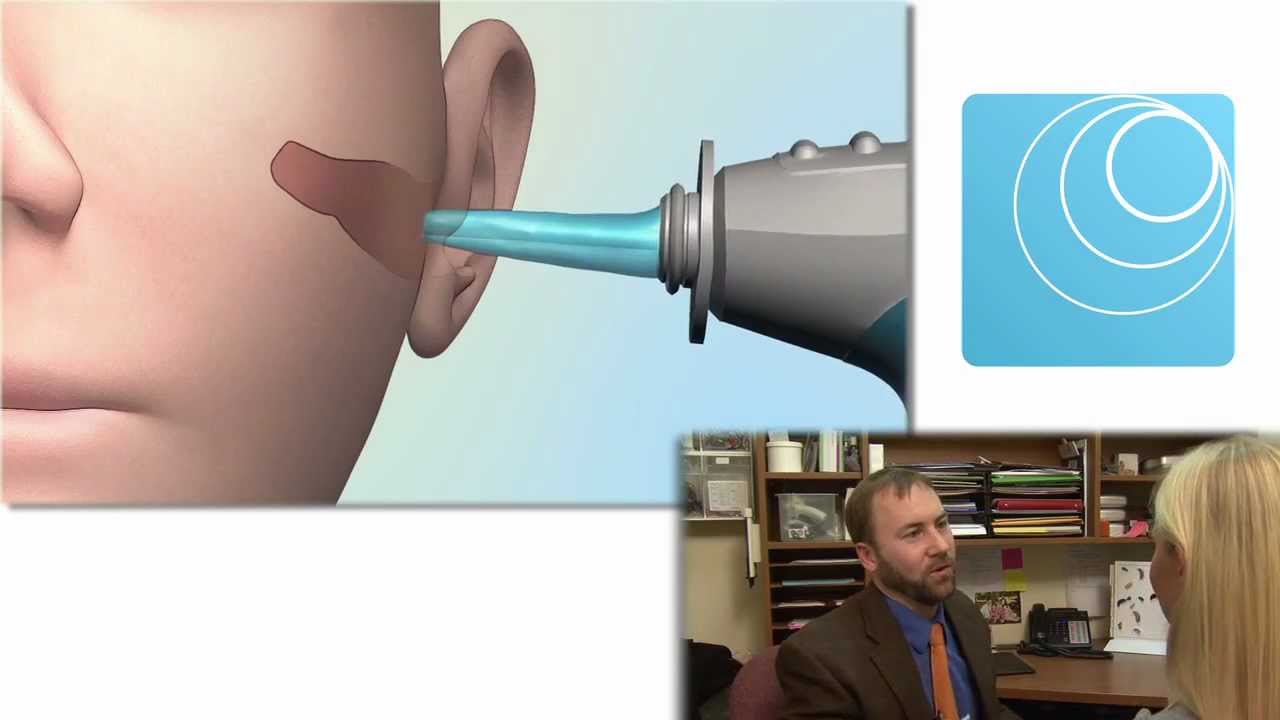
The Lantos 3D Ear Scanning System is already being used to produce a variety of in-ear, noise-isolating, soft-silicone earbuds. Most of these can slip onto existing earphones to create a tight seal and a comfortable fit that is customized for each individual.
Lantos Partner Products
Lantos is now assisting partners with implementing the scanning technology to improve function and fit of their own ear products including: Etymotic ER4XR earphones and ER4SR Earbuds, hf3 Earbuds and hf5 Earbuds; Bose SoundSport Wired Earbuds; Jaybird Freedom Wireless Earbuds and X2 Earbuds; Beats PowerBeats3 Wireless Earbuds; Apple EarPods Wired Earbuds and Wireless Earbuds (Vented and unvented). See the full list here.
No one should live without music and no on should lose their hearing enjoying it. Be a smart shopper and listener and get yourself and your children the best hearing protective ear bud products available today.
Stu Nunnery ist ein Schriftsteller, Sprecher, Musikaufnahmekünstler und Gehöraktivistenist. Er hat kürzlich nach einer 35-jährigen Pause zur Musikproduktion zurückgekehrt und präsentiert Workshops und Aufführungen über seine Reise mit beidseitigem Hörverlust.


