It’s crucial not to let perfectionism hold you back. When I first experienced hearing loss in 2008, some people casually mentioned that I could wait for cutting-edge solutions like regenerative techniques for hair cells, as they had heard about its potential. However, 15 years have passed, and we’re now in 2023, but significant progress in regenerative techniques remains unseen. It’s important to understand that bringing groundbreaking technologies to practical use—especially in the medical field—can take time.
Don’t let the prospect of future developments delay your decision to act. You don’t need the perfect product or technology; what matters most is taking action to regain your hearing, as it can significantly improve your overall quality of life.
5. You mentioned sometimes using your "CI" identity to your advantage in certain situations. How do you feel about the notion of hearing loss as an identity versus a medical condition?
First and foremost, I want to emphasize that joking about my CI identity doesn't solve the underlying problem, and I don't want people to get the wrong idea. Before getting my cochlear implant, my hearing loss was undoubtedly a medical condition that caused me to struggle.
Now, with the help of my CI, my hearing loss has become more of a distinct aspect of my identity. I have come to terms with it and can incorporate it into my lifestyle, primarily because I'm no longer burdened by the same pressures. But this doesn't mean we should downplay hearing loss as a medical condition.
Admittedly, I do sometimes exploit my CI identity for "advantage" or "convenience." For instance, I might take my CI off at the office, during lengthy conversations, or to enjoy some blissful, noise-free sleep on airplanes or trains. Nonetheless, it's important to understand that each one of you with hearing loss and a CI has a unique experience, and being considerate of your individual needs is essential. Remember, your journey is your own, and how you cope with your hearing loss is specific to you.
6. Can you share more about the reactions you have encountered from people when they discover you use a cochlear implant?
Some individuals express amazement and say, "You have a cochlear implant? But you hear so clearly!"Others become intrigued about the cause of my hearing loss during childhood. They are often astonished when I tell them I'm not exactly sure and wonder how I could not know such a significant detail.
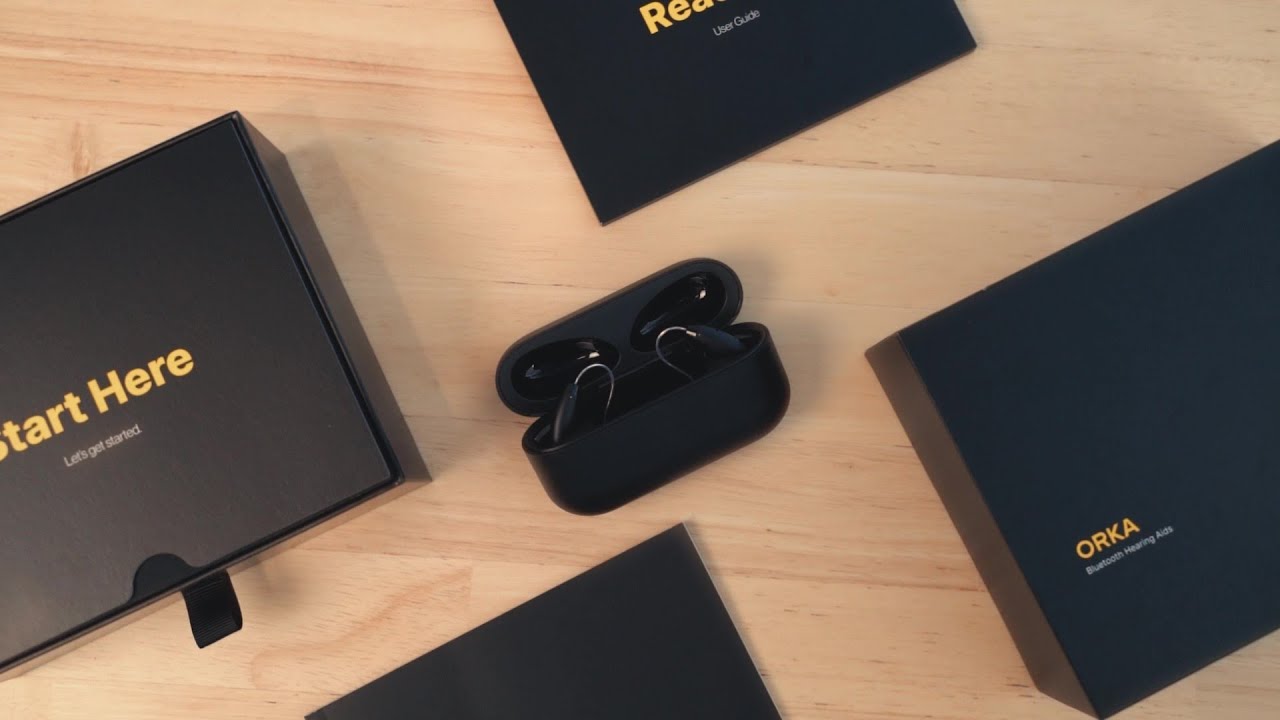
Some people, displaying curiosity about the differences between cochlear implants and hearing aids, ask why I don't use Orka's hearing aid products instead.
When engaging in water sports, I usually remove my cochlear implant as I find waterproof cases to be cumbersome. In these situations, people enthusiastically suggest speaking louder so I can hear them better, only to realize that, no matter how loudly they shout, I still can't hear without my implant.
Some individuals hesitate to inquire further, worrying that it's a sensitive subject.
Most people perceive cochlear implants as futuristic and far removed from everyday life—something both intriguing and abstract.
7. You mentioned that awareness of hearing loss is low in China. What kind of efforts would you like to see to increase understanding and acceptance of hearing loss there?
Low hearing loss awareness is not a regional issue, but rather a structural one. As a bilingual and deaf individual, I often joke that I can confirm to friends in both China and the United States that hearing aids are equally expensive.
The low adoption rate of hearing aids globally reveals that it’s a universal issue, not solely in China. Many users cannot access the products they need due to barriers such as pricing and the availability of professional support. In the United States, there is a concern about increased marketization and less regulation for over-the-counter (OTC) products potentially posing risks to consumers. Meanwhile, in China, despite having access to the same manufacturers and products, users face even fewer professional audiology services, resulting in high-priced products without the necessary support.
That’s why we advocated for measures like the OTC Hearing Aid Act, even though our product, Orka Two, is not self-fit yet. The Act challenges the global monopoly, allowing newcomers to the market and providing customers with more choices. By increasing hearing aid accessibility and awareness in the United States and other countries, we can expect these positive developments to influence China, as well. Greater understanding and acceptance of hearing loss in China would stem from a combination of such global initiatives, raising awareness, and providing accessible professional services.
8. Can you talk about the support system you have found among people with hearing loss? How has connecting with others in similar circumstances influenced your journey?
At first, I didn’t know anyone with hearing loss. It was during my recovery from cochlear implant surgery in 2015 when I started searching online for more information. Back then, I was limited to Chinese websites and joined a group chat dedicated to hearing loss.
To my surprise, most members were worried parents of children with hearing loss. They talked about their children’s challenges, even though they hadn’t gone through hearing loss themselves. They sought advice from me, hoping that my unique journey—a girl attending college in the hearing world and even studying abroad—could shed light on their children’s potential paths.
Connecting with them made me realize that the challenges of hearing loss are even harder due to limited exposure to others with similar experiences and difficulties accessing information. At times, it was both eye-opening and overwhelming.
That’s why I enjoy visiting the hearing aid forum now, as it allows me to witness the daily lives of others who share my experiences, giving me the sense of connection and understanding I need.
9. How has your cochlear implant affected your relationship with music or other sounds that you enjoy?
I'm not sure where my ability to appreciate music falls short compared to those with normal hearing, so I can only use a few examples to pinpoint my situation. One time, we were listening to a song by Jay Chou, and I said, "Hey, this is a remake," yet my friend couldn't tell. However, my younger brother can detect more subtle sounds, such as a car in neutral gear.
I can clearly differentiate between instruments like trumpet and violin, a skill that Charles Limb's TED Talk [at 8:32] shows most cochlear implant users find challenging. However, I struggle with accurately perceiving pitch and discerning minor changes within one semitone, also demonstrated [at 6:52] in the talk using a MIDI arrangement of Rachmaninoff’s Prelude.
When I first received my cochlear implant, it felt as though music had evolved from 2D to immersive surround sound – a fascinating, though not entirely accurate, analogy. The moment I experienced music with distinct left and right audio channels was nothing short of astonishing. Upgrading to a Bluetooth direct connection enabled me to transmit music directly, allowing me to appreciate even more nuances and intricacies in the sound.
10. How do you handle situations where people are insensitive or ignorant about hearing loss and cochlear implants?
I used to spend so much time arguing with people who simply didn't understand hearing loss and cochlear implants. Now I understand that their lack of knowledge often stems from limited access to information. With this in mind, I’ve chosen to focus on educating and raising awareness.
Now, I avoid exhausting debates and instead provide clear, accurate information and share personal experiences to dispel misconceptions and promote understanding. I believe that through spreading knowledge and showing empathy, we can tackle ignorance related to hearing loss and create a supportive, inclusive society.
Emphasizing education and understanding helps empower individuals and families affected by hearing loss, enabling them to advocate for themselves and access the resources they need to confidently navigate their unique challenges.
11. Tell me how your experience with hearing loss led you to co-founding Orka, and how your experiences inform your work with the company.
My personal battle with hearing loss sparked the idea to create Orka, with a mission to better the lives of those going through similar difficulties.
At Orka, we aim to design high-quality and easy-to-use hearing aids. We achieve this by deeply understanding users’ needs and utilizing a general chip platform, which offers flexibility and customization, even though it demands additional research and development.
Based on my firsthand experience with hearing loss, I truly appreciate the importance of ongoing and personalized support. Our caring team of audiologists at Orka provides tailored assistance, helping customers adjust to, and make the most of, their hearing aids every step of the way.
For me, the journey of co-founding Orka has been a turning point, transforming past challenges into opportunities for growth and making a positive difference in the hearing aid industry.
)
)
:format(webp))
:format(webp))