Does Medicare Cover Hearing Aids?
What Original Medicare pays for, how Medicare Advantage differs, and what to check before buying hearing aids.

Hearing aid glossary
Looking that up…
Terms are matched automatically. A definition may not fit every context.
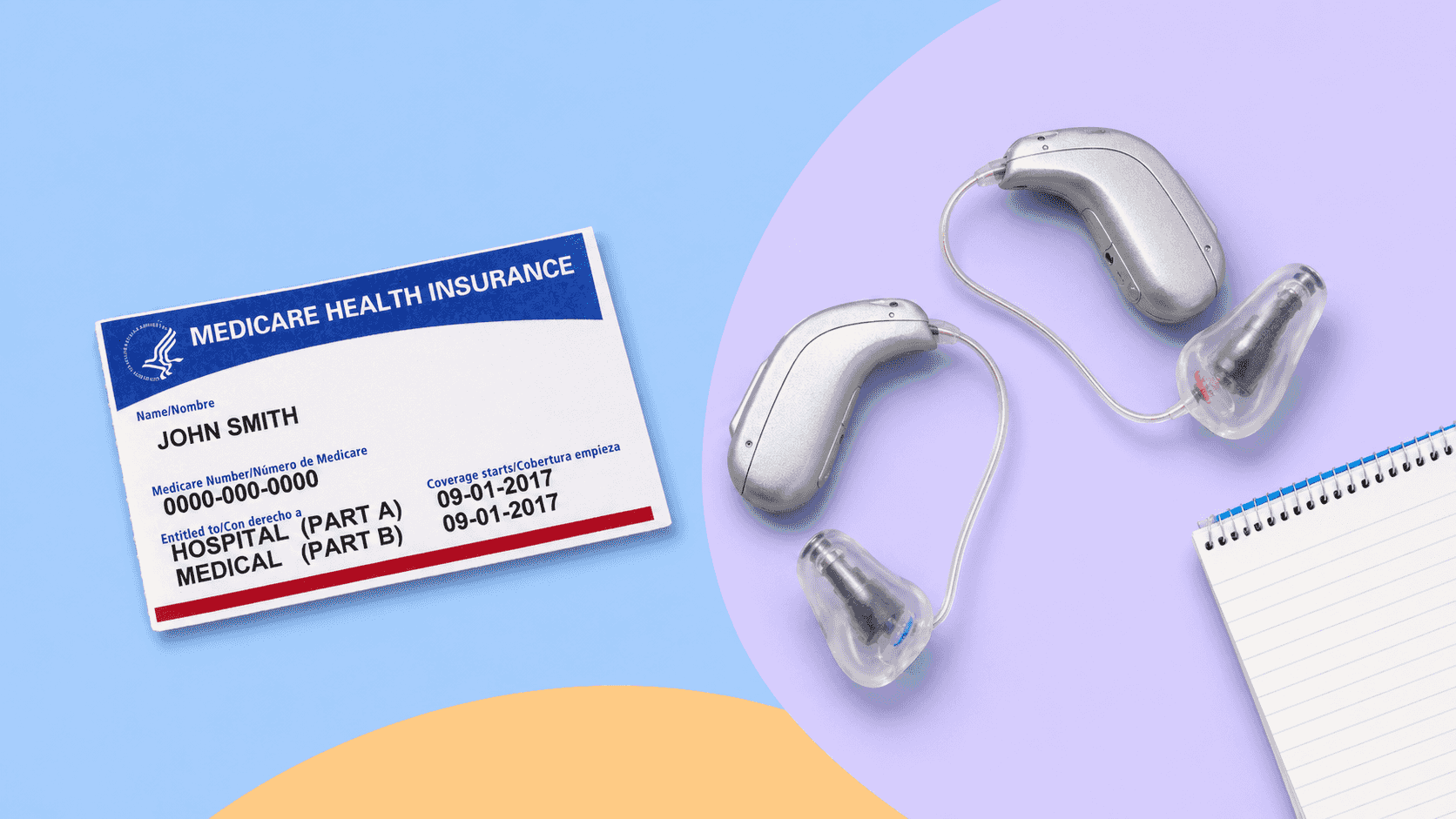
Original Medicare (Parts A and B) does not cover hearing aids or exams to fit them. Some Medicare Advantage plans (Part C) offer hearing aid benefits, but what you pay depends on your plan.1
That distinction explains why one person with Medicare gets help buying hearing aids while another pays the full bill. A covered hearing test can add to the confusion: Medicare may pay to investigate a hearing problem without paying for the hearing aids recommended afterward.2


Start with the kind of coverage you have, then check the device and care you would actually receive. A large advertised allowance is only useful if it reduces the price of hearing aids that meet your needs.
Medicare hearing coverage at a glance
Coverage | Help with hearing aids? | What to check |
|---|---|---|
Original Medicare (Parts A and B) | No | Diagnostic tests have separate coverage rules. |
Medicare Advantage (Part C) | Sometimes | Your plan's devices, providers, and costs. |
Medicare Supplement (Medigap) | Generally no | Help with costs of Medicare-covered care. |
Medicare plus Medicaid | Possibly, through Medicaid | Your state's benefits and eligibility rules. |
Why doesn’t Original Medicare cover hearing aids?
The exclusion is written into federal law. Section 1862(a)(7) of the Social Security Act, enacted way back in 1965, excludes hearing aids and examinations for them from payment under Parts A and B. A prescription or a recommendation from your audiologist does not remove that exclusion.4

This is different from a deductible—the amount you pay before insurance begins paying for covered care. Meeting your Part B deductible does not unlock a hearing aid benefit. Nor does choosing a more expensive hearing aid or a different brand.4
Part D provides prescription drug coverage; it does not add a hearing aid benefit.6
Certain surgically implanted hearing devices fall under different Medicare rules. They are discussed below.
Does Medicare cover hearing tests?
Part B covers diagnostic hearing and balance exams when a doctor or other health care provider orders them to determine whether you need medical treatment.2
There is also a useful exception to the order requirement. You can see an audiologist once every 12 months without an order for certain diagnostic services involving a non-acute hearing condition, such as hearing loss that has developed over years, or hearing loss treated with a surgically implanted device. This is not a general benefit for free annual hearing screenings or hearing aid fittings.2, 5
Under Original Medicare, you pay 20% of the Medicare-approved amount after meeting the Part B deductible. A hospital outpatient visit also has a hospital copayment. Other insurance may help with your share.2
Before booking, ask the clinic: “Is this a diagnostic hearing evaluation covered by Medicare, a hearing aid fitting appointment, or both—and what will I owe?” That is more useful than asking only whether the clinic accepts Medicare.
How Medicare Advantage hearing aid benefits work
Medicare Advantage is another way to receive your Medicare coverage through a private insurer. Plans must cover the medically necessary services Original Medicare covers, and they may add hearing benefits. Having an Advantage plan does not, by itself, tell you which hearing aids are covered or what they will cost.6
When reading a hearing benefit, look for three different kinds of offer:
- An allowance: A stated amount the plan contributes toward eligible hearing aids. Check whether it applies to each ear or the pair, and how often it renews.
- A copayment: A stated amount you pay for an eligible device or service. Ask whether the quoted amount is for one hearing aid or two.
- A discount: A reduction from a seller's price. It does not necessarily mean the insurer is paying part of the bill.


Your plan's Evidence of Coverage is the document that explains its benefits and your costs.7
Provider restrictions matter too. For example, UnitedHealthcare's 2026 UHC Dual Complete PA-S3 plan lists a hearing aid allowance but limits hearing aid coverage to its UnitedHealthcare Hearing network. That is one Pennsylvania plan for people meeting specific Medicare and Medicaid eligibility requirements; its terms do not describe all UnitedHealthcare plans.9
A clinic may accept your insurance for a hearing exam yet be outside the network required for buying hearing aids. Confirm both before ordering.
Compare the final price for the pair
Here is a made-up example to show the arithmetic: a $1,000 allowance applied to a $4,000 pair leaves you paying $3,000, assuming no other charges. That would still cost more than a comparable $2,500 package paid entirely out of pocket.
The comparison needs to include care, not just devices. Ask for an itemized quote covering the pair, fitting, adjustments, follow-up appointments, warranty, and return terms. A lower device price may be less useful if the support you need costs extra.
For broader price comparisons, see our guide to how much hearing aids cost.
How to check your plan before buying
Have your insurance card and the exact plan name ready. Use the documents for the year you expect to receive the hearing aids. The Annual Notice of Change explains changes taking effect in January; last year's allowance may no longer apply.8
Ask your plan and the hearing care provider these questions:
- What is my hearing aid benefit? Is it an insurance payment, a set copayment, or a discount? Is the amount per ear or per pair?
- Which providers can I use? Does the hearing aid purchase need to go through a separate hearing network? Is this particular clinic participating?
- Which devices qualify? Ask about the exact model and technology level you are considering, including whether prescription or over-the-counter () devices are eligible.
- When can I use the benefit? How often can I replace the hearing aids, and does a previous purchase affect eligibility?
- What care is included? Ask about the hearing evaluation, fitting, programming, follow-up visits, repairs, and batteries or a charger.
- What steps come before purchase? Do you need an order, prior approval, or a particular ordering process? Will the provider bill the plan, or must you claim reimbursement?
- What will I pay, and what if I return them? Get a written total for both ears and ask about return deadlines, fees, and how a return affects the benefit.

Ask the representative to identify the relevant page in your Evidence of Coverage, and keep the written quote and call reference number. Medicare's plan comparison tools can help you find plans available where you live.17
Should you switch plans for hearing aid coverage?
Consider the hearing benefit alongside your doctors, hospitals, medicines, premiums, and other out-of-pocket costs. Medicare Advantage plans can have provider networks and approval requirements that differ from Original Medicare.6
If you would drop a Medigap policy to join Medicare Advantage, check your rights first. Returning to Original Medicare does not automatically guarantee that you can buy the same Medigap policy again. Federal trial rights and other protections apply in certain circumstances, and state rules can offer additional rights.10
Your State Health Insurance Assistance Program (SHIP) provides free, personalized Medicare counseling and is not connected to an insurance company or health plan. It can help you weigh the whole decision.11
Does Medigap cover hearing aids?
Generally, no. Standard Medicare Supplement benefits—including those in Plans G and N—help pay your share of services that Original Medicare covers. They do not add a standard hearing aid benefit. A policy may help with your share of a covered diagnostic hearing exam, depending on its benefits.3
If your insurer advertises hearing-related extras alongside a Medigap policy, ask whether those are separate benefits or discounts and request their terms. “Hearing savings” is not enough information to know what the company will pay.
What about OTC hearing aids and Costco?
Original Medicare's hearing aid exclusion applies to over-the-counter hearing aids too. Buying without a prescription does not change the coverage rule.1
Some Medicare Advantage plans include devices in their hearing benefit. The Pennsylvania UnitedHealthcare plan mentioned above is one documented example. Check the eligible products and purchasing channel; a general OTC spending card should not be assumed to cover a hearing aid bought anywhere.9
OTC hearing aids are intended for adults 18 and older with perceived mild to moderate hearing loss. The does not intend them for children or severe to profound hearing loss. If your hearing difficulties are substantial, arrange a professional assessment before choosing a device.12
For Costco hearing aids, check your specific Advantage plan's retailer and reimbursement rules before buying. Original Medicare does not gain a hearing aid benefit because you buy at Costco.1
Does Medicare cover cochlear implants?
Medicare may cover cochlear implants for people who meet its coverage criteria. These are surgically implanted devices, with different rules from conventional hearing aids.13
The national coverage policy includes moderate to profound sensorineural hearing loss in both ears, limited benefit from appropriately fitted hearing aids, and additional medical and rehabilitation criteria. Sensorineural hearing loss involves the inner ear or hearing nerve. An implant team checks all of these requirements when evaluating whether you qualify.13
The Centers for Medicare & Medicaid Services () also recognizes certain other implanted hearing devices as prosthetic devices. If your clinician recommends one, ask the implant team to verify coverage for the exact device and procedure.5
Other ways to get help paying
If your Medicare coverage does not help with hearing aids, check these options before assuming you must pay the full retail price:
- Medicaid: Adult hearing benefits depend on the state. If you have both Medicare and Medicaid, ask your state Medicaid program or managed care plan about hearing aids and participating providers.14
- hearing care: Veterans enrolled in VA health care can receive an audiology evaluation. If hearing aids are clinically recommended and fitted, the VA provides the aids, repairs, and future batteries without charge while eligibility continues.15
- Other insurance: Employer, retiree, or union coverage may have separate benefits. Our hearing aid insurance guide explains the broader options and questions to ask.


If you are paying yourself, compare packages that meet your hearing needs and include the support you want. Our OTC hearing aid guide explains that route for suitable adults.
Is hearing aid coverage changing in 2027?
The Medicare & You 2027 handbook continues to state that Original Medicare does not cover hearing aids or exams for fitting them. A proposal to expand coverage is not the same as a benefit you can use.16
Medicare Advantage benefits can change for the new year, so check your plan's 2027 documents before relying on a 2026 quote.8
About this guide
Written by Abram Bailey, , HearingTracker’s founder and an audiologist, and reviewed by Chad Ruffin, M.D., a Seattle ENT. Coverage information was checked on November 16, 2026, against Medicare.gov, coverage policy, federal law, and the other primary sources below. The insurer example illustrates one plan’s rules; it is not a plan recommendation.
For a purchase, confirm your own plan’s written terms and the provider’s total charge. Those details determine whether a hearing benefit will help you.
Sources
Medicare.gov. Hearing aids. View source. Accessed November 16, 2026.
Medicare.gov. Hearing & balance exams. View source. Accessed November 16, 2026.
Medicare.gov. Learn what Medigap covers. View source. Accessed November 16, 2026.
Social Security Administration. Social Security Act, section 1862(a)(7): Exclusions from coverage. View source. Accessed November 16, 2026.
Centers for Medicare & Medicaid Services. Audiology services. View source. Accessed November 16, 2026.
Medicare.gov. Compare Original Medicare & Medicare Advantage. View source. Accessed November 16, 2026.
Medicare.gov. Evidence of Coverage (EOC). View source. Accessed November 16, 2026.
Medicare.gov. Plan Annual Notice of Change (ANOC). View source. Accessed November 16, 2026.
UnitedHealthcare. 2026 UHC Dual Complete PA-S3 (HMO-POS D-SNP), H3113-016-000. Routine hearing benefits and network requirements. Plan example, not a recommendation. View source. Accessed November 16, 2026.
Medicare.gov. When can I buy a Medigap policy? Federal rights and state protections. View source. Accessed November 16, 2026.
Medicare.gov. Get help with your rights & protections: State Health Insurance Assistance Program. View source. Accessed November 16, 2026.
U.S. Food and Drug Administration. OTC hearing aids: What you should know. View source. Accessed November 16, 2026.
Centers for Medicare & Medicaid Services. National Coverage Determination 50.3: Cochlear Implantation. Effective September 26, 2022. View source. Accessed November 16, 2026.
Medicaid.gov. Mandatory & optional Medicaid benefits. View source. Accessed November 16, 2026.
U.S. Department of Veterans Affairs. Hearing aids: Prosthetic & Sensory Aids Service. View source. Accessed November 16, 2026.
Centers for Medicare & Medicaid Services. Medicare & You 2027, large-print edition, page 95. Hearing & balance exams and the Original Medicare hearing aid exclusion. View source. Accessed November 16, 2026.
Medicare.gov. Helpful tools: Compare plans and find local counseling. View source. Accessed November 16, 2026.
Abram Bailey, AuD
Founder and PresidentDr. Bailey is a leading expert on consumer technology in the audiology industry. He is a staunch advocate for patient-centered hearing care and audiological best practices, and welcomes any technological innovation that improves access to quality hearing outcomes. Dr. Bailey holds an Au.D. from Vanderbilt University Medical Center.
Chad Ruffin, MD
CI Surgeon and Bilateral Cochlear Implant RecipientDr. Chad Ruffin is an ear, nose, and throat doctor in Seattle who specializes in hearing restoration and ear surgery. He is one of the first people born with severe hearing loss to become a surgeon using cochlear implants. He performs cochlear implants and hearing restoration surgery and teaches his patients how to live to the fullest with hearing loss. In addition to treating patients in the clinic, he also researches and develops technology for hearing loss.