Apple AirPods Pro 3 vs. Starkey Edge AI

Check out our comparison of the Apple AirPods Pro 3 vs Starkey Edge AI. Listen to audio samples and see how the two hearing aids differ in terms of sound performance, features, accessories, and more.
Score
4.1
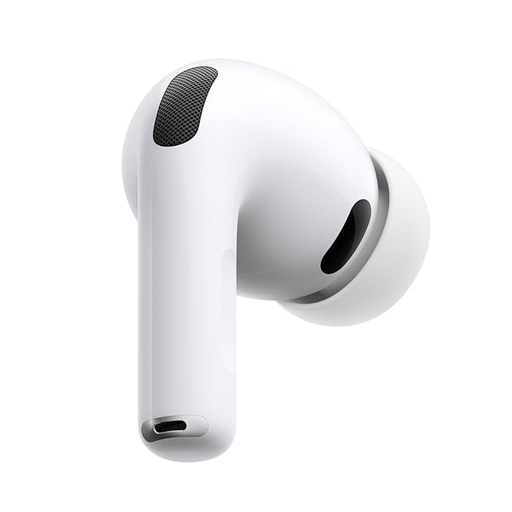
Apple AirPods Pro 3
Add Product
Featured Products
SoundScore 3.4/5
$239.95 per pair
Shop Now
Score
4.2
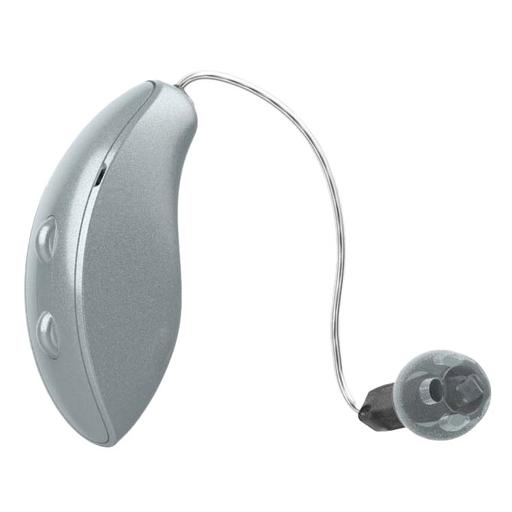
Starkey Edge AI RIC RT 24
Add Product
Featured Products
SoundScore 4.0/5
Read our review
AirPods Pro 3
$239.95 per pair
Shop Now
Edge AI
Review

Product Overview

AirPods Pro 3
Edge AI
Form Factor
Form FactorNon-custom earbud style device.
Form FactorThis type of hearing aid sits behind the ear. A wire runs along the top of the ear and down to a speaker sitting inside the ear canal. An custom-fitted mold may be required.
Expert Rating
Score
4.1
Score
4.2
User Rating
3.71 reviews
Hearing Loss LevelHearing Loss LevelThis represents HearingTracker's best guess on suitability. Please consult a licensed audiologist to confirm your own candidacy for this device.
MildModerate
MildModerateSevere
Product Features
Hands-freeRechargeableiPhoneAndroidIP57
Hands-freeRechargeableiPhoneAndroidTelecoilIP68+

Expert Ratings

Compare comprehensive test results and expert opinions.

AirPods Pro 3
Edge AI

HearingTracker Score

AirPods Pro 3
4.1ABOVE AVERAGE

The Apple AirPods Pro 3 are wireless earbuds that offer hearing aid functionality. Our tests show they effectively amplify speech in everyday situations. While background noise can be challenging, proper tuning and reducing ambient noise reduction pushes the AirPods Pro 3 closer to being a truly competitive OTC hearing aid.

Read full review
Edge AI
4.2ABOVE AVERAGE

Edge AI is equipped with Starkey's all-new G2 Neuro Processor with an integrated neural processing unit that classifies complex soundscapes, enhances speech, and reduces noise in real-time using advanced AI.

Read full review

HearAdvisor SoundScore

AirPods Pro 3
3.4AVERAGE

Apple AirPods Pro 3 achieved a SoundScore of 3.38/5 and a SoundGrade of B in HearAdvisor lab testing. The OTC Hearing Aid category average SoundScore was 3.47/5.

Edge AI
4.0ABOVE AVERAGE

Starkey Edge AI RIC achieved a SoundScore of 4.00/5 and a SoundGrade of A in HearAdvisor lab testing. It ranked #18 of 35 Prescription Hearing Aid devices tested. The Prescription Hearing Aid category average SoundScore was 3.91/5.

Build Quality

AirPods Pro 3
4.8EXCELLENT

The build quality is solid with a pocket-worthy portable case. AirPods 3 also have a slightly improved IP57 rating meaning they should offer better protection from debris and moisture. AirPods commonly last around 2-3 years.

Edge AI
4.8EXCELLENT

Edge AI have excellent build quality as evidenced by their IP68 ingress rating. However, the portable charging case does not feel as robust compared to other prescription hearing aid brands.

Battery

AirPods Pro 3
4.6EXCELLENT

Airpods Pro 3 offer around 10 hours of use per charge with their Hearing Aid feature. This is an improvement over the previous generation. While this still may not be enough for all-day use, recharge time is fast with several quick-charge options.

Edge AI
4.6EXCELLENT

Edge AI offers an impressive 51 hour battery life on a single charge, with a quick recharge time of just 3.5 hours. Their rechargeable battery outperforms most products available today.

Bluetooth

AirPods Pro 3
5.0EXCELLENT

I have found Bluetooth to work almost flawlessly on iPhones, offering a solid connection every time. I can't speak for Android devices though Apple reports they are fully compatible with other Bluetooth devices.

Edge AI
5.0EXCELLENT

Edge AI hearing aids are Bluetooth compatible with both iOS and Android devices, allowing for audio streaming and hands-free calling.

App Features

AirPods Pro 3
4.0AVERAGE

AirPods Pro 3 offer impressive and useful features to aid speech clarity. I particularly like the ability to take an app based hearing test, or directly upload hearing thresholds. While the menu system is not user-friendly, you also have other options for personalizing your experience such as active noise cancellation.

Edge AI
4.6EXCELLENT

The My Starkey app features an updated look and offers useful features like sound customization and health tracking. However, user reviews indicate that connection issues can occur.

Comfort

AirPods Pro 3
4.0AVERAGE

AirPods Pro 3 are generally comfortable, though my initial impressions favor the fit of the previous Gen 2. With that said, Apple claims to have improved the overall fit with improved ergonomics and new foam-infused ear tips.

Edge AI
5.0EXCELLENT

Edge AI are capable of excellent comfort which can be personalized by your hearing care provider.

Design

AirPods Pro 3
5.0EXCELLENT

AirPods Pro are unmistakably Apple with their sleek, bright white, aesthetic. You will want to look elsewhere if you are searching for a discrete hearing solution. Furthermore, earbuds are commonly associated with being distracted or disconnected and people will not know that you are using them as hearing aids to stay present and engaged in conversation.

Edge AI
5.0EXCELLENT

I find Edge AI hearing aids similar to their previous generation Genesis, and overall more modern and sleek compared to the previous Evolv AI generation. Starkey also offers various color choices and the fitting can be adjusted to meet your needs and preferences.

Value

AirPods Pro 3
5.0EXCELLENT

Apple AirPods Pro 3 has a value score of 5.0/5 based on lab performance and public display price.

Edge AI
3.1BELOW AVERAGE

Starkey Edge AI RIC has a value score of 3.1/5 based on lab performance and public display price.

Handling

AirPods Pro 3
4.0AVERAGE

I find Bluetooth pairing and general use exceptionally easy. However, navigating the deeper personalization features, and touch controls, could be more user friendly.

Edge AI
4.7EXCELLENT

Edge AI and the associated app are very easy to use, though the receiver-in-ear style may require some initial practice.

Pro Support

AirPods Pro 3
1.0BELOW AVERAGE

You can receive technical support from Apple, but no audiologic support is offered at this time. You may be able to find a hearing care provider willing to assist with programming your AirPods Pro based on your needs.

Edge AI
5.0EXCELLENT

You should receive quality hearing care and support from your provider. Starkey also offers technical support and provides a Telehear remote services app, connecting your with your provider for remote care.

Lab Recordings

Listen to direct output recordings from our acoustic test lab.

AirPods Pro 3
Edge AI
Busy CafeBusy CafeSpeech intelligibility improvement in loud environments
Hear this scene unaided, for comparison
AirPods Pro 3
Edge AI
Quiet OfficeQuiet OfficeSpeech intelligibility improvement in quiet and moderate environments
Hear this scene unaided, for comparison
AirPods Pro 3
Edge AI
Streaming MusicStreaming MusicStreaming music provides a full range of bass and treble
Hear this scene unaided, for comparison
AirPods Pro 3
Edge AI

HearingTracker partners with HearAdvisor to provide recordings and performance data from an acoustic laboratory that follows standard scientific procedures. All hearing aids are fitted and performance-tested for mild sloping to moderate hearing loss. All audio samples cutoff above 10kHz.

Accessories

Compatible accessories for each hearing aid

AirPods Pro 3
Edge AI
Battery Charger
None

StarLink Charger 2.0

The StarLink Charger 2.0 is designed to charge non-custom lithium-ion rechargeable hearing aids, such as RIC RT and mRIC R styles. It requires an external power source, such as a wall outlet, for operation as it lacks an on-board battery. With turbo charging, users can get approximately 3 hours of use time from just 10 minutes of charging when the hearing aids' battery is low. Hearing aids are fully charged in 3.5 hours, and LED indicators show the charging status.

StarLink Premium Charger 2.0+1

The StarLink Premium Charger 2.0 offers the same charging capability for non-custom hearing aids like RIC RT and mRIC R but includes an on-board battery. This feature allows charging without being plugged into an external power source. The Premium charger can fully charge hearing aids up to three times on a single charge and offers turbo charging for quick boosts. It fully charges hearing aids in 3.5 hours, and LED indicators provide information about both the hearing aids' and the charger's battery status.

StarLink Charger 2.0 (RIC RT)

StarLink Premium Charger 2.0 (RIC RT)

Remote Control
None

StarLink Remote Control 2.0

The Starkey StarLink Remote Control 2.0 is designed to control compatible 2.4 GHz hearing aids. Users can adjust volume, switch programs, and activate features like Edge Mode or Comfort Boost.

Smartphone App
None

My Starkey

Designed with the input of hearing aid wearers, My Starkey pairs with select Starkey hearing aids to help you enjoy greater listening moments, improved well-being, and easier everyday living — all from the palm of your hand.

TV Streamer
None

StarLink Edge TV Streamer

Future-proof and Auracast ready, our Edge TV Streamer is 60% smaller than previous Starkey streamers and uses Bluetooth Low Energy (LE) Audio protocol to stream audio straight from a TV to paired Edge AI hearing aids.

Hardware

AirPods Pro 3
Edge AI
AccelerometerAccelerometerThis hearing aid is capable of measuring acceleration through an embedded sensor.
Yes
Yes
Bluetooth® AudioBluetooth® AudioThis hearing aid is capable of streaming Bluetooth® audio certain phones and/or devices.
  • Bluetooth® (A2DP)
  • LC3
  • Bluetooth® Low Energy (LE)
  • Bluetooth® Auracast™
Disposable BatteriesDisposable BatteriesCommon disposable batteries last anywhere from a few days to two weeks or more. For more information Google "how long do hearing aid batteries last" and click on the Hearing Tracker link.
No
312
GyroscopeGyroscopeThis hearing aid is able to determine orientation using embedded sensors.
Yes
Yes
Hands-Free CallingHands-Free CallingIt is possible to have a hands-free phone call with this hearing aid. You are not required to hold the phone up to your mouth.
  • Bluetooth® (HFP)
  • Bluetooth® Low Energy (LE)
IP RatingIP RatingIP Ratings rate sealing effectiveness of hearing aids against intrusion from foreign solid matter (dirt, dust) and moisture.
IP57
IP68+
Push ButtonPush ButtonThe hearing aid features a push button which allows toggling across different sound processing programs
No
  • Program control
  • Volume Control
  • Mute control
  • Power on/off
  • Accessory volume
  • Tinnitus volume
  • Edge Mode+
  • Manual Alert
Rechargeable BatteriesRechargeable BatteriesCharge your batteries overnight in a docking station and get a full day's use (in most cases) of battery life the following day.
Lithium-ion
Lithium-ion
Tap ControlsTap ControlsThe hearing aid may be controlled by physically tapping it with your fingers.
  • Play/Pause
  • Audio passthrough on/off
  • Accept/end calls
  • Play/Pause
  • Voice assistant
  • Edge Mode+
TelecoilTelecoilThe hearing aid is able to pick up audio from landline telephones or public audio systems without using its acoustic microphones. This minimizes background noise and improves clarity and understanding, even over great distances. At performing arts venues, events, government meetings, etc., look for assistive listening systems (hearing loop, FM, and infrared systems), which must be provided at no cost under the Americans with Disabilities Act (ADA) and other international regulations.
No
Yes
Voice AssistantVoice AssistantCertain devices will allow you to interact with voice assistants using "Hey Siri", "Hey Google", "Hey Alexa", etc commands.
  • Siri
No
Volume RockerVolume RockerA volume rocker or wheel to allows the adjustment of volume with a finger.
No
Yes

Software Features

AirPods Pro 3
Edge AI
Active Noise Cancellation (ANC)Active Noise Cancellation (ANC)ANC is different than typical hearing aid noise reduction in that it reduces both steady state and dynamic background noise using sound wave inversion.
Yes
No
Active occlusion cancellation (AOC)Active occlusion cancellation (AOC)A microphone measures the sound of your own voice inside your ear canal and cancels the sound using phase inversion. This reduces the boominess that often occurs with closed-canal hearing aids.
Yes
No
Adjustment BandsAdjustment BandsThese are frequency-divided sections that can be adjusted in a hearing aid in order to amplify sounds. Although there are rarely more than 10 frequencies measured in a hearing assessment, having more bands that can be adjusted may allow for improved speech understanding and user comfort.
No
16
Adjustment SynchronizationAdjustment SynchronizationThis feature allows for a more pleasant listening experience by ensuring that both hearing aids process sound the same way. If one hearing aid changes its processing in response to noise or speech, it will send a wireless signal to the other hearing aid so both process sound in the same way.
No
Ear-to-Ear TechnologyEar-to-Ear TechnologyEar to Ear enhances sound quality and reduces listening effort by automatically adjusting synced wireless hearing aids to facilitate the best signal-to-noise ratio (SNR) and comfort in any listening situation.
AI Noise RemovalAI Noise RemovalArtificial Intelligence is utilized to remove or modify background noise from the sound signal to help isolate speech for better speech understanding.
No
  • Personalization
  • User Control
  • App Control
Automatic Phone ProgramAutomatic Phone ProgramHearing aids with this feature can detect when a phone is placed near them and automatically switch to a phone program. In this setting, the hearing aids will reduce background noise and increase the volume of the phone.
No
Autocoil and AutophoneAutocoil and AutophoneHearing aids with this feature can detect when a phone is placed near them and automatically switch to a phone program. In this setting, the hearing aids will reduce background noise and increase the volume of the phone.
DirectionalityDirectionalityDepending on the types and number of microphones a hearing aid has, the hearing aid may be able to boost sounds from specific directions (by reducing sounds from other directions). This can be helpful to focus on a speaker directly in front of the hearing aid user, as well as to give the user information about where different sounds are coming from.
Conversation BoostConversation BoostUses the dual beam-forming microphones to boost the volume of a person talking in front of you, making it easier to listen to someone who's chatting with you.
  • Adaptive
  • Dynamic
  • Directional
Environmental AdaptationEnvironmental AdaptationThe hearing aid can detect different acoustical environments, like speech in noise, and adjust the sound of the hearing aid accordingly to drive comfort or speech understanding, etc.
No
Sound ManagerSound ManagerGenesis AI's sound manager is trained on a larger and more diverse database of sounds making Genesis AI more accurate than ever. Both Evolv AI and Genesis AI have 7 different sound classifications that the hearing aid will automatically identify and apply adjustments on a channel-by-channel basis to help preserve the most important signal of all: speech.
ExpansionExpansionExpansion reduces audibility for very soft sounds. This can help to remove microphone noise, which is generated by soft environmental sounds.
No
4 levels
Extended bandwidthExtended bandwidthHearing aid provides amplification at frequencies (pitches) higher than the typical hearing aid.
No
Yes
Fall DetectionFall DetectionUsing embedded sensors, this hearing aid may detect falls and alert caregivers. Mobile app may be required.
No
Fall AlertFall AlertWhen a fall is detected by the system, an audio prompt asks the user if they have fallen. If the hearing aid user elects to send the Fall Alert message to his/her contacts, they receive confirmation when each contact has been successfully reached.
Feedback SuppressionFeedback SuppressionIf any sound amplified by the hearing aid escapes the ear canal, it may reach the hearing aid’s own microphone and cause a harsh whistling noise. Some hearing aids are able to recognize when this feedback occurs and reduce or eliminate it.
No
Feedback CancellerFeedback CancellerGenesis AI took Starkey's industry-leading feedback cancellation system and improved it's specificity by adding vent optimization. Vent optimization measures the amount of sound leaking out the ear canal back to the hearing aid microphones. If the software predicted less leakage than the measurement shows (i.e. using an occluded dome that is not as occluding as you might like), Pro Fit will ask the professional if they would like to adjust gain measurements to compensate for the additional leakage. The reverse is true.
Frequency LoweringFrequency LoweringUnderstanding certain speech sounds is dependent on the high frequency parts of these sounds. For individuals with high frequency hearing loss, this feature can take high frequency speech information and move it to lower frequencies where it will be audible.
No
Yes
Listening ProgramsListening ProgramsNumber of manually accessible listening programs (using push button, remote, app, or other switching method)
No
4
Machine LearningMachine LearningThis hearing aid employs machine learning to bring a higher degree of computer-aided intelligence to decision making.
No
Yes
Machine Noise ReductionMachine Noise ReductionNoise reduction for loud machine noise.
No
E2E Machine Noise Adaptation: Up to 7 dBE2E Machine Noise AdaptationDescription not easily accessible
New User AdaptationNew User AdaptationProvider may set the hearing aid to gradually get louder over the first few weeks or months of a new hearing aid fitting. This can be convenient for new users who want to experience maximum benefit without making a lot of trips to the provider for tune ups.
No
Yes
Noise ReductionNoise ReductionThis feature uses modern hearing aids’ processing power to examine the incoming sound signal, determine if noise is present and reduce the volume of the troublesome sound to increase comfort.
No
Speech in Loud Noise ReductionSpeech in Loud Noise ReductionBoth Evolv AI and Genesis AI have Speech in Loud Noise, which is either on/off. It will default on if a restaurant or crowd program is made. It uses the NFMI radio for ear-to-ear streaming comparison when in a loud, noisy environment. The signals that are unique in time and level are considered noise and are rejected, whereas the signal that are similar in loudness and timing are considered speech and accepted.Speech in Noise ReductionSpeech in Noise ReductionThis feature uses modern hearing aids’ processing power to examine the incoming sound signal, determine if noise is present and reduce the volume of the troublesome sound to increase comfort.
Phone in StereoPhone in StereoThis feature allows input from a phone presented to one hearing aid to be transmitted to both hearing aids at the same time, improving speech understanding.
No
E2E Phone StreamingE2E Phone StreamingThis feature allows input from a phone presented to one hearing aid to be transmitted to both hearing aids at the same time, improving speech understanding.
Power On DelayPower On DelayWhen you close the battery door to turn on your hearing aid, the hearing aid won't start producing sound for a certain amount of time. This can alleviate whistling (feedback) sound that sometimes occurs while inserting your hearing aid.
No
Yes
Processing ChannelsProcessing ChannelsThese are all the frequency-divided sections the hearing aid is able to examine at a single time. The hearing aid uses this information to determine whether the contents of each section are noise, speech, or something else and amplify the sound in each section accordingly.
No
60
Resonance NormalizationResonance NormalizationMicrophones measure sound in the ear canal in order to adjust cancel the effects of individual resonance.
Adaptive EQAdaptive EQInward-facing microphones detect what you’re hearing, then adjust low and midrange frequencies to deliver the rich details in every song, customized for you in real time.
No
Self-fittingSelf-fittingThis hearing aid allows you to fit yourself without professional assistance. Typically found in OTC products.
  • Tuned based on hearing test through device
  • Tuned based on audio preference selections
  • Tuned by user directly
No
Spatial AudioSpatial AudioHead tracking is performed so that audio appears to originate from a static location as your head moves.
Yes
No
Streaming Bass BoostStreaming Bass BoostBoosts bass when streaming audio
No
Yes
Sudden Loud Noise ReductionSudden Loud Noise ReductionThis feature detects loud sounds and reduces their volume to a comfortable level. Though not a replacement for hearing protection, this technology can greatly improve listener comfort.
No
Transient Noise Reduction: Up to 9 dBTransient Noise ReductionThis feature detects loud sounds and reduces their volume to a comfortable level. Though not a replacement for hearing protection, this technology can greatly improve listener comfort.
Tinnitus ReliefTinnitus ReliefTinnitus, or ringing in the ears, can be addressed by hearing aids in several different ways, such as introducing a soft therapeutic signal or targeted notched noise.
No
Multiflex Tinnitus ProMultiflex Tinnitus ProMultiflex Tinnitus Pro provides the next generation of tinnitus sound therapy for Edge AI hearing aids.
Unique Amplification StrategyUnique Amplification StrategyHearing aids all process sounds a little bit differently. Sometimes it varies even within one model.
Adaptive TransparencyAdaptive TransparencyProvides personalized amplification for everyday sounds, with improved handling for loud sounds like sirens and construction noise.Headphone AccommodationsHeadphone AccommodationsApple's terminology for personalized amplification. Options include audio preference selection, manual EQ, or audiogram input.
  • Consonant Enhancement
  • Voice AI
Wind Noise ReductionWind Noise ReductionAs wind blows against the microphones of hearing aids, unpleasant noise may be generated. Some hearing aids have the ability to recognize this wind noise and reduce its level. Such reductions may also affect the audibility of desired sounds, like speech.
No
Wind Reduction: Up to 10 dBWind ReductionAs wind blows against the microphones of hearing aids, unpleasant noise may be generated. Some hearing aids have the ability to recognize this wind noise and reduce its level. Such reductions may also affect the audibility of desired sounds, like speech.