- Excellent speech processing
- Active Mini IX earned a 4.2 SoundScore and an A SoundGrade, with predicted speech performance closely matching Active Pro IX and Pure IX.
Product Review
Signia Active Mini IX Review: Size vs. Performance?
The compact prescription earbud earned an A SoundGrade in the lab and retains Signia’s excellent app and wireless features, although feedback, phone-call dropouts, and a less practical charging case are worth considering.)
Our expert team selects and tests products rigorously. We may earn commissions if you buy through our links. Here's how we keep reviews independent.
Hearing aid glossary
Looking that up…
Terms are matched automatically. A definition may not fit every context.

Dr. Steve Taddei summarizes his HearAdvisor lab tests and provides you with sound samples in this video on the Signia Active Mini IX hearing aid.
Signia Active Mini IX is the latest addition to the Active IX family from Signia. I spent time wearing it, using its wireless features and mobile app, and testing it in the HearAdvisor lab, where I serve as lab director.
The main question I wanted to answer was simple: Does shrinking the hearing aid mean sacrificing performance or features?
After testing Active Mini IX, my conclusion is that the smaller design has not meaningfully weakened the speech performance we measured from Signia’s larger Pure IX hearing aids. It also retains most of the wireless functionality that makes Active Pro IX appealing.
But that doesn’t mean there aren’t any compromises. Active Mini IX has a shorter battery life than Active Pro IX, its charging case is surprisingly bulky, and feedback was more volatile than I typically experience with other prescription hearing aids.
Overall, though, Signia Active Mini IX received a HearingTracker score of 4.2 out of 5 for an initial score and an A SoundGrade in HearAdvisor testing. This is just a bit lower than the larger Signia Active Pro IX (4.6 HearingTracker score), but it’s a strong option for someone who wants a more discreet, modern, earbud-style prescription hearing aid without giving up Signia’s current processing platform or mobile app.
Pros
- Compact earbud-style design
- It is smaller, sleeker, and more form-fitting than Active Pro IX.
- Comfortable instant fit
- I found the hearing aids lightweight, secure, and comfortable, particularly with Signia’s sleeve-style ear tips.
- No custom manufacturing wait
- The ready-to-wear design does not require an earmold impression, digital scan, or custom shell.
- Excellent mobile app
- The Signia app provides useful volume, Sound Balance, directional-microphone, wellness, and -assisted controls.
- Full wireless functionality
- Active Mini IX retains direct streaming and compatible hands-free calling despite its smaller size.
- Strong build quality
- The hearing aids carry an IP68 rating—the highest for hearing aid resistance from dirt and moisture—and felt well made during hands-on testing.
- Practical all-day battery
- Up to 21 hours should be sufficient for most wearers, and the quick-charge feature can provide 5 hours of use in 30 minutes.
Cons
- Feedback was easier to trigger
- I heard more chirps and tonal artifacts than I typically experience with other prescription hearing aids.
- Limited fitting range
- The instant-fit design will not provide enough usable gain for more severe hearing losses.
- Phone-call dropouts
- I experienced brief audio interruptions and artifacts while using an iPhone 16.
- No comprehensive onboard controls
- Most volume and program changes require the Signia app or an optional remote.
- Charging case
- The Active Mini case is larger and less pocket-friendly than the Active Pro IX case, and the hearing aids occasionally needed to be repositioned before they began charging.
- Shorter runtime than Active Pro IX
- Battery life falls from up to 34 hours with Active Pro IX to approximately 21 hours with Active Mini IX.
- Premium price
- Its 3.1 value score reflects a relatively high public display price despite strong overall performance.
What is Signia Active Mini IX?
Despite its smaller size, Active Mini IX retains the full Signia IX platform, including two microphones, RealTime Conversation Enhancement (RCTE), rechargeability, and full wireless connectivity. These are designed to follow multiple speakers and help keep speech clear as a group conversation moves around you.
Signia describes Active Mini IX as “ready-to-wear.” To be clear, that does not make it an over-the-counter hearing aid. It is still a prescription device that must be selected, programmed, and fitted by a hearing care professional.


The difference is that Active Mini IX does not require an earmold impression, digital ear scan, or custom manufacturing process. In theory, you could leave with the hearing aids on the same day if your clinic keeps them in stock. More realistically, the ready-to-wear design may reduce the wait from a couple of weeks for a custom hearing aid to a few days for your clinic to order the Mini.
As Matthew Allsop points out in his video below, RCTE is one of the more important technologies included in Signia’s larger IX hearing aids. In previous IX research, 95% of participants performed better in a simulated noisy group conversation with the feature activated, while a later real-world food-court study found that 80% preferred listening with it turned on. Those studies were conducted with other IX hearing aids rather than Active Mini IX specifically, but they provide useful context for the processing platform inside the Mini.
Active Mini IX is available across Signia’s 7IX, 5IX, 3IX, 2IX, and 1IX performance levels. Processing features and the number of adjustment channels vary by level. It’s considered a premium prescription hearing aid, and our current database suggests it is priced at around $4,700, although costs will vary by clinic location, type, and services offered, as well as any insurance coverage you might have that covers hearing aids.
Get Audiologist Matthew Allsop’s Take on Signia Active Mini IX
Here is my colleague Matthew Allsop's perceptions of Signia Active Mini IX:

Audiologist Matthew Allsop, co-owner and clinician of London's largest independent hearing care practice, provides 6 facts you should know before buying Signia Active Mini IX hearing aids.
Design and comfort
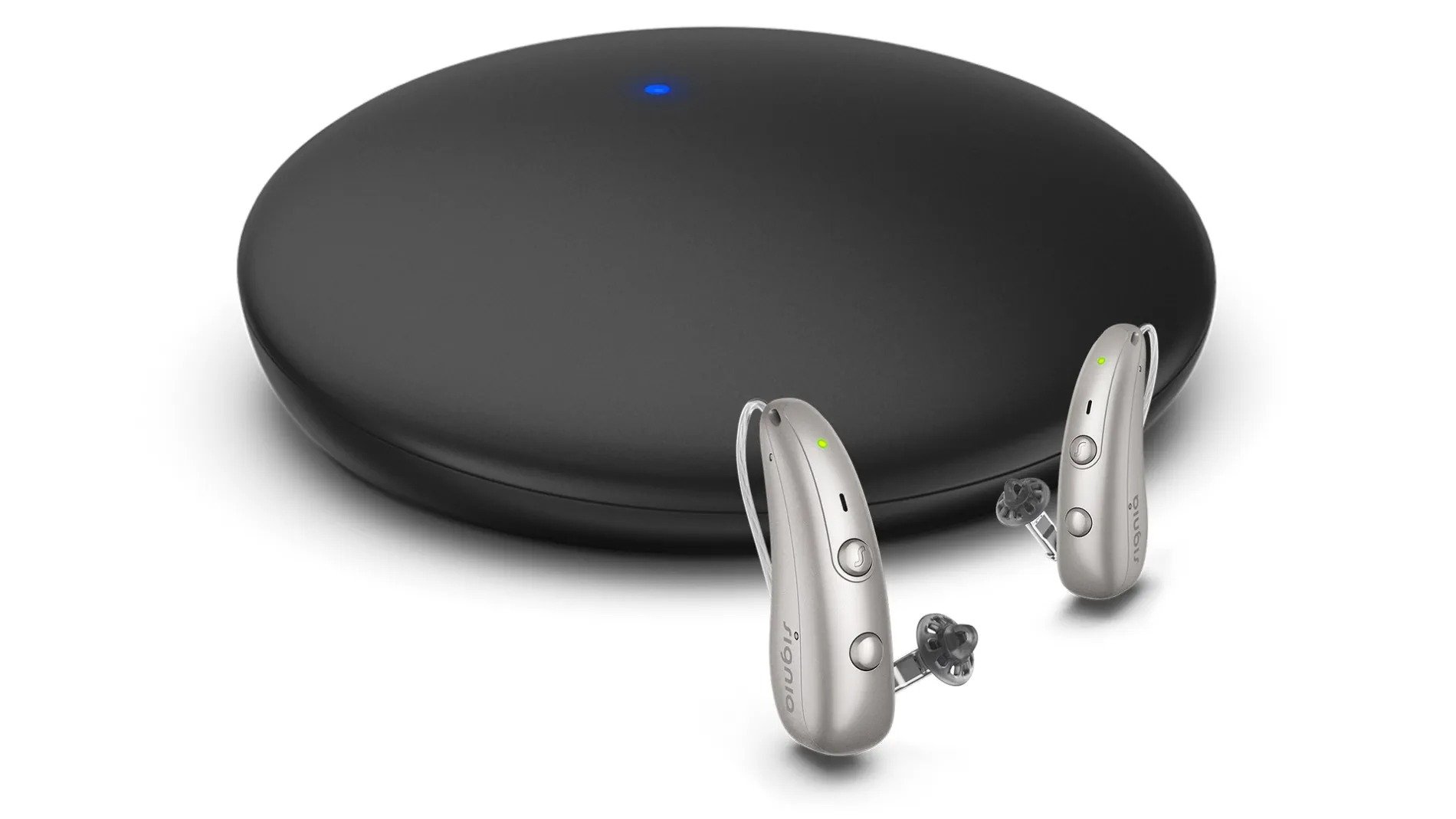
Active Mini IX comes with a portable charging case that feels solid and well-built. Bright indicator lights inside the case show the charging status of each hearing aid, while a separate light indicates the case’s battery status.

The hearing aids themselves have a sleek, modern earbud appearance. Compared with Active Pro IX, the Mini looks more refined and feels as though it may be made from slightly nicer materials. I cannot objectively confirm that the materials are better, but that was my initial impression when handling the two products side by side.
Both models carry the same IP68 rating for protection against dust and moisture—the highest possible resistance rating for hearing aids. Active Mini IX earned a 4.9 out of 5 build-quality rating in our scorecard, which is consistent with how it held up during my hands-on testing.
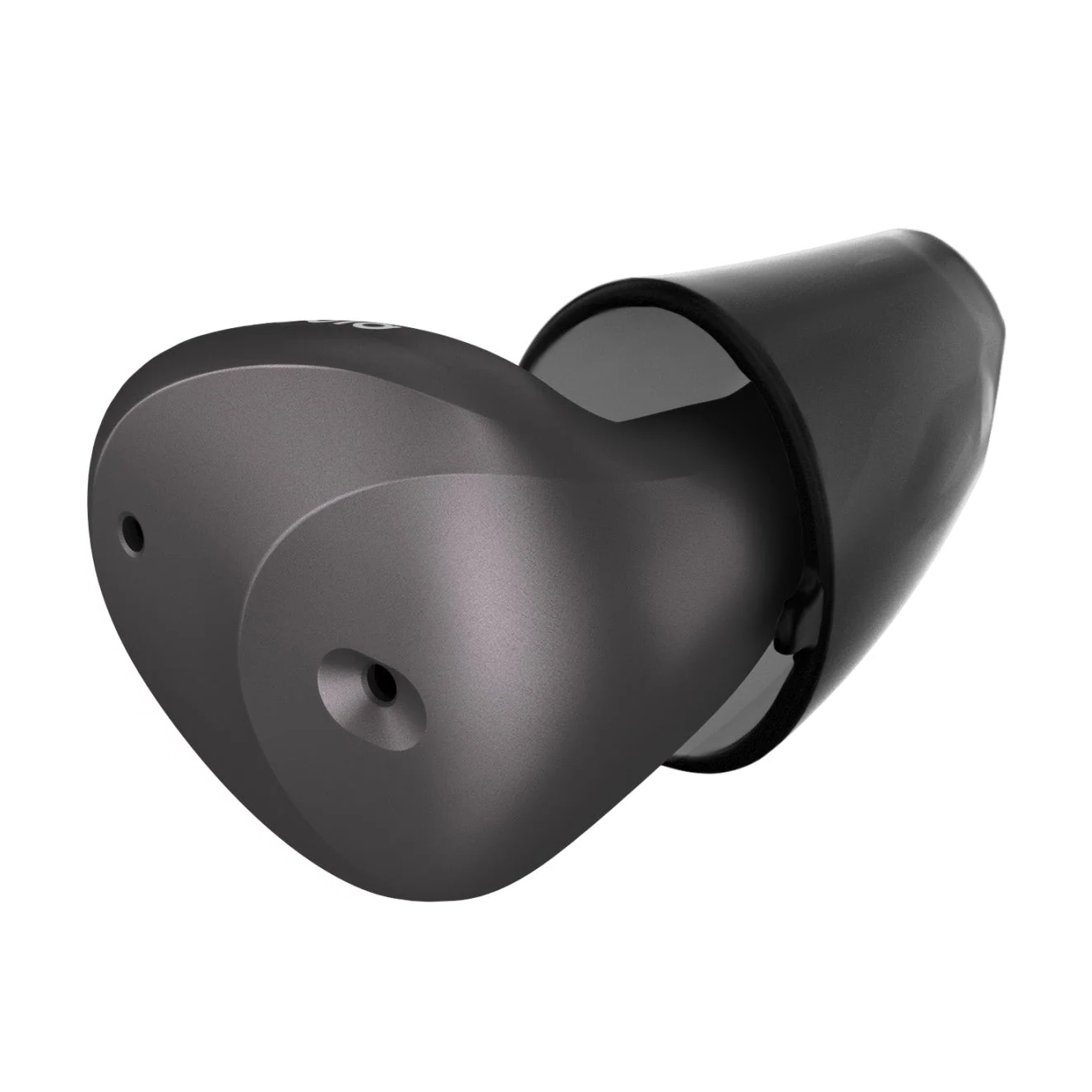
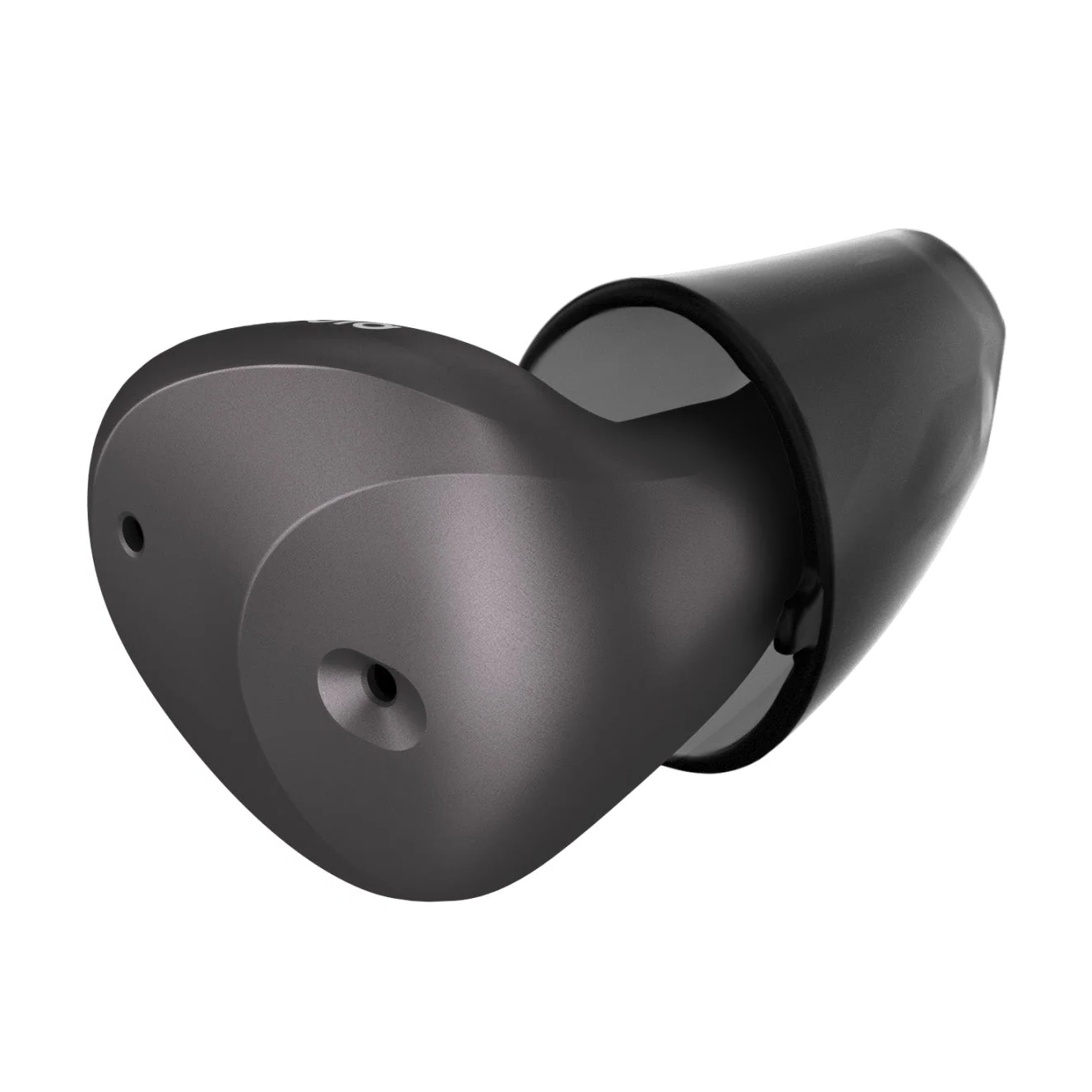
Mini lives up to its name. It has a smaller profile than Active Pro IX and sits closer against the ear. It is still visible, though. This is not an invisible hearing aid. It looks like a small wireless earbud when worn.
:format(webp))
Whether that is a strength or a weakness will depend on your preferences. Some people want a hearing aid that disappears as much as possible. Others may prefer a familiar consumer-electronics appearance rather than a traditional hearing-aid shape.
I found Active Mini IX lightweight and comfortable. Signia is also one of the relatively few hearing-aid companies offering this sleeve-style instant-fit ear tip, which I personally find more ergonomic than many conventional domes.
Signia reports that 97% of participants rated Active Mini IX as comfortable in an internal wearing-comfort study. I would not put too much weight on a manufacturer’s own comfort study, but the result was at least consistent with my experience. Active Mini IX received a 4.8 comfort rating and a 5.0 design rating in our scorecard.
Where are the controls?
One downside is the lack of physical buttons for routine adjustments. You will generally need to use the Signia app or an optional remote when you want to change the volume or program.


I also did not find the kind of broader tap controls during testing that you would expect from a modern consumer earbud. Signia’s feature documentation separately lists a tap-based CallControl function for answering and ending compatible phone calls, but that is much narrower than having onboard controls for volume, programs, media playback, and music streaming.
This is not necessarily a deal-breaker, and I noted the same basic limitation with Active Pro IX. Still, given the earbud-style design, I think Signia could take more inspiration from products such as Apple AirPods Pro.
Consumer earbuds now provide sophisticated touch controls and can automatically adjust streaming behavior when speech is detected in the environment. Bringing some of those ideas into the Active family would make everyday use more convenient.
Battery life and charging
Signia reports up to 21 hours of battery life without streaming. When the day includes five hours of audio streaming, the published estimate falls to approximately 16 hours.
A full charge takes about four hours. If you forget to charge the hearing aids overnight, 30 minutes in the case can provide up to five additional hours of use. That should be enough to get through at least part of a workday or evening.
The case can be charged through USB-C or placed on a compatible Qi wireless charging pad. Its internal battery can also charge the hearing aids when the case is disconnected from power.
A 21-hour power capacity should comfortably cover a normal day for most people. However, it is a meaningful reduction from Active Pro IX, which is rated for up to 34 hours without streaming. Just like smartphone batteries, the lithium-ion batteries found in rechargeable hearing aids lose their charge by around 10% per year, so having longer initial power capacity can be meaningful, especially 3-5 years down the road.
I am also not a complete fan of the redesigned case. Despite being paired with a smaller hearing aid, the Active Mini case is larger and less pocket-friendly than the Active Pro IX case.
:format(webp))
The magnetic connection also felt somewhat finicky. I occasionally needed to reposition a hearing aid to make sure it was properly seated and charging. This is not a major problem, but it means you should pay attention to the indicator lights rather than simply dropping the hearing aids into the case and assuming they have connected.
Those tradeoffs contributed to Active Mini IX receiving a 3.8 out of 5 battery rating. The runtime is still practical, but Active Pro IX is the stronger option if maximum battery life and a more pocketable charging setup are priorities.
Wireless features and the Signia app
Smaller hearing aids have historically required you to give up desirable features such as audio streaming, hands-free calling, or robust app control. Fortunately, that was not my experience with Active Mini IX.
The hearing aids connected to and worked with the Signia app just as seamlessly as Active Pro IX, Pure IX, and the other recent Signia hearing aids I have tested.
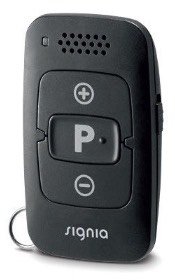
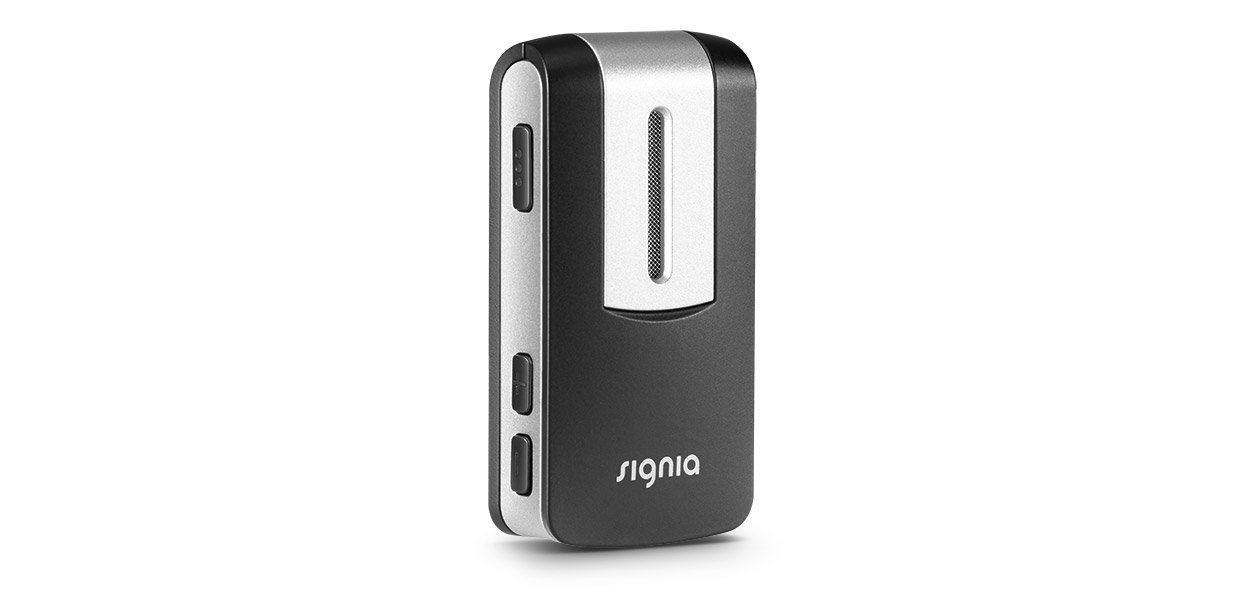
Active Mini IX supports direct audio streaming from compatible iPhones and Android phones. Hands-free calling is available with iPhones and compatible Android phones using Bluetooth ; Android phones that use alone support streaming but not the same hands-free/CallControl functionality. The hearing aids also work with Signia accessories including TV Sound, StreamLine Mic, StreamLine TV, and the miniPocket remote.
Volume and programs
The main Volume screen is straightforward. You can increase or decrease the volume, move between the programs configured by your provider, and mute the hearing aids by reducing the volume to zero.
That may sound basic, but the interface is clean, modern, and relatively easy to understand. The Signia app remains one of my favorite hearing-aid apps because it provides a useful level of control without making the experience unnecessarily difficult.
Direction and Sound Balance controls
Two of the more useful app features are Direction and Sound Balance.

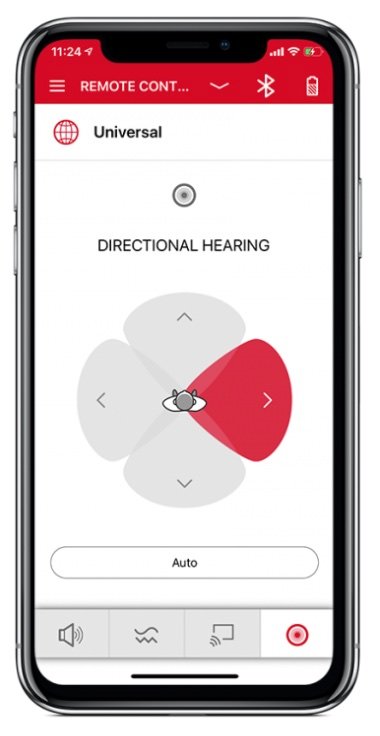
Direction lets you manually steer Active Mini IX’s directional microphones toward one of four areas. For example, while driving, you could focus toward the passenger seat and away from noise at the driver-side window. When focusing forward, you can also widen the listening area for a group or narrow it to concentrate more closely on one person.
Sound Balance makes a different kind of adjustment, shifting the overall sound toward either sharper, brighter tones or softer, bassier ones. If dishes sound overly brittle in a restaurant, for example, moving the control toward “Soft” can take some of the edge off without having to reduce the volume.
I noticed meaningful differences when using both controls during testing, and they are worth experimenting with. But neither requires constant attention: users who prefer a hands-off approach can leave the hearing aids in Automatic and let Active Mini IX manage its directional behavior on its own.
Speech Boost
Another app feature I like is Speech Boost. Signia originally introduced it during the pandemic, when face masks and plexiglass screens made speech harder to understand. (Not exactly a fun trip down memory lane.) When activated, Speech Boost provides additional high-frequency amplification intended to improve speech clarity. In my measurements, it added roughly six decibels in the higher frequencies.
I noticed that Speech Boost disappeared when I moved into my custom program. That may have been related to the available gain or the way the Speech Boost program was configured, but I could not confirm the exact reason. I recommend checking for Speech Boost while you are still in the clinic and asking your provider to confirm whether it will remain available in the programs you expect to use.
My WellBeing and Signia Assistant
The app also includes My WellBeing, which is an optional health and fitness tracker that provides basic information such as step count, activity, hearing aid use, and social interaction.
The Signia Assistant is the company’s -powered companion. I will admit I’m a bit AI-burned out right now, but the feature can still be useful when you know something sounds wrong and aren’t sure which control to adjust.
Rather than requiring you to understand hearing-aid terminology, Signia Assistant lets you describe the problem and then guides you through potential sound changes. Your provider can also review information about those interactions when fine-tuning the hearing aids.
Phone-call quality
Overall, app control and wireless streaming worked very well. My experience with Active Mini IX was almost indistinguishable from Active Pro IX.
The one exception was phone-call audio. Using an iPhone 16, I experienced more brief dropouts and audio artifacts than I have recently heard with Active Pro IX, Pure IX, and some other hearing aids. The audio would occasionally disappear for a fraction of a second—almost as though a packet of information had been missed.
The cause was not confirmed. It may have been circumstantial or related to the phone, software version, or wireless environment. I would be interested to know whether other wearers experience the same issue.
Still, it happened often enough in my testing that I think it is worth reporting. Active Mini IX received a 5.0 Bluetooth rating because of its excellent compatibility and feature set, but that rating should not be interpreted as a claim that every phone call will be flawless.
HearAdvisor Lab results
HearAdvisor is HearingTracker’s partner lab, where I serve as lab director and perform the objective testing.
Our goal is to use industry standards and the latest hearing science to predict audio performance for a common age-related hearing loss. Every product is evaluated using the same protocol in the same dedicated acoustic lab, allowing us to make more consistent, data-driven comparisons between hearing aids.
Active Mini IX received a 4.2 out of 5 SoundScore and an A SoundGrade. The average SoundScore among prescription hearing aids in our current dataset was 3.91 out of 5.
Test condition | Initial Score | Tuned Score |
|---|---|---|
Speech in quiet | 3.4 | 4.2 |
Speech in noise | 2.3 | 2.9 |
Own voice | 3.2 | 3.2 |
Feedback handling | 3.8 | 2.5 |
Music streaming | 3.6 | 3.6 |
Final Soundscore | 4.2 | 4.4 |


The improvement after professional tuning was particularly noticeable for speech. Speech in quiet increased from 3.4 to 4.2, while speech in noise increased from 2.3 to 2.9.
That result is an important reminder that the fitting matters. Active Mini IX may share its core processing with other IX products, but a hearing care provider still needs to select an appropriate sleeve and program the hearing aids for the wearer’s hearing loss.
How does it compare with other Signia IX hearing aids?
The most reassuring result was the consistency of the predicted speech performance across Active Mini IX, Active Pro IX, and Pure IX.
That result makes sense because all three products use Signia’s Integrated Xperience platform. Even so, it is good to see the similarities confirmed in the measurements.
Choosing the smaller Active Mini IX does not appear to mean giving up the strong speech processing and RealTime Conversation Enhancement we have measured from Signia’s other current IX hearing aids.

The Mini’s overall SoundScore of 4.2 was lower than the 4.6 SoundScore earned by Active Pro IX, but the difference was not driven by a dramatic decline in speech performance. Feedback handling was the more obvious weakness.
You can read our complete Signia Active Pro IX review for a closer look at the larger model.
Feedback handling was the main weakness
Active Mini IX was more volatile than the other Signia products we tested.
During dynamic movements of my hand around the ear, I heard more brief chirps and tonal swooshing. The feedback-handling score fell from 3.8 in the initial fit to 2.5 after tuning.
That does not mean Active Mini IX constantly squeals during normal use. However, compared with many other prescription hearing aids, it appeared somewhat easier to trigger feedback when a hand or object moved close to the ear.
The more open instant-fit design may be one reason. Feedback occurs when amplified sound from the speaker escapes from the ear and reaches the hearing aid’s microphones. The physical proximity of the two microphones and speaker in a compact in-ear device can make that relationship more challenging.
Your provider has several possible ways to address feedback. They may run the hearing aid’s feedback calibration, reduce gain in certain frequencies, or choose a more occluding sleeve.
Each option comes with potential tradeoffs. Reducing gain may affect audibility, while using a more closed sleeve may increase the plugged-up sensation of your own voice. The right approach will depend on your hearing loss, ear anatomy, comfort, and the amount of amplification you need.
:format(webp))
How does Active Mini IX compare with Active Pro IX
The differences between Active Mini IX and Active Pro IX are honestly smaller than their names might suggest.


Both provide Signia’s current IX processing, direct streaming, hands-free calling with compatible devices, and access to the Signia app. Their predicted speech performance was also fairly consistent in our lab.
Active Mini IX has the advantage in physical size. It is smaller, sleeker, and more form-fitting. Active Pro IX has the advantage in battery life, offering up to 34 hours compared with the Mini’s 21 hours. I also prefer the Active Pro charging case, and the larger hearing aid was less volatile for feedback in our testing.
:format(webp))
The better choice depends on which tradeoff matters more: Active Mini IX is the more appealing option when a discreet size is the priority. Active Pro IX may make more sense when longer battery life, easier charging, and somewhat greater fitting flexibility matter more.
How does Active Mini IX compare with Oticon Zeal?
There is no dramatic, clickbaity winner to report.

Active Mini IX and Oticon Zeal performed very similarly in our testing. I suspect their results might have been even closer if we had used perfectly matched ear tips during both evaluations.
:format(webp))
They are both good instant-fit prescription hearing aids for the right person, provided they are appropriately selected, fitted, and programmed.
The more important differences may come down to design, app preferences, fitting range, comfort, and how each product behaves in an individual wearer’s ears rather than a major gap in predicted speech performance.
Listen to Active Mini IX and compare
Lab scores are useful, but they do not tell you everything about how a hearing aid sounds.


Our HearAdvisor recordings at the bottom of this page let you listen to Active Mini IX in quiet and in a typical café environment. For the most useful comparison, listen to the unaided (open ear) scene followed by the hearing aids in their initial and professionally tuned fittings. Use headphones and keep the playback volume consistent between samples.
We also recorded the hearing aids’ music-streaming output. Start with the original, unprocessed track and then compare it with the recording streamed through Active Mini IX.
Additional recordings and apples-to-apples listening comparisons are available through HearAdvisor. Listeners can also participate in our online trials, which help us learn more about real-world sound preferences and develop future sound-quality models.
Fitting range: Who can wear Active Mini IX?
Active Mini IX will not be appropriate for every hearing loss.
Because it uses an instant-fit in-ear design, it may not provide as much usable gain or fitting flexibility as a receiver-in-canal hearing aid. Signia offers open tips and more occluding power sleeves, which allow the fitting range to be adjusted to some extent or optimized for audio streaming versus speech reception.
The mild-to-moderate test hearing loss used in our lab fell within Signia’s recommended fitting range, making Active Mini IX appropriate for our evaluation. However, hearing losses vary considerably. Someone who needs substantially more amplification may be better served by Active Pro IX or a receiver-in-canal model such as Pure Charge&Go IX, depending on the receiver and ear coupling selected.
Your provider may have some flexibility to adjust the fitting, but that does not make the recommended range irrelevant. Trying to force too much amplification from an open instant-fit design can increase the risk of feedback or prevent the hearing aid from meeting prescriptive targets.
Who should consider Signia Active Mini IX?
Active Mini IX makes the most sense for someone who:
- Wants a modern, earbud-style hearing aid
- Prefers a smaller and more form-fitting design than Active Pro IX
- Wants prescription programming and ongoing provider support
- Values a polished mobile app with useful directional controls
- Wants direct audio streaming and compatible hands-free calling
- Has a hearing loss that falls comfortably within the device’s fitting range
- Does not want to wait for a custom hearing aid to be manufactured
It may be less suitable for someone who:
- Needs substantially more gain than the instant-fit design can provide
- Has difficulty handling very small in-ear devices
- Is especially sensitive to feedback
- Wants maximum battery life
- Prefers a smaller, more pocketable charging case
- Wants comprehensive onboard buttons or touch controls
- Does not like the visible earbud appearance
If you like Signia’s IX platform but do not want the earbud design, the company also offers the custom Insio IX family. As noted above, a receiver-in-canal () model such as Pure Charge&Go IX may provide a wider fitting range and more versatility for more complex or individual needs.
The bottom line
So, is Signia Active Mini IX groundbreaking? No, but it doesn't need to be.
Active Mini IX takes the processing, app functionality, and wireless features of Signia’s current IX hearing aids and compresses them into a smaller, more modern earbud-style design.
Its biggest strength is the RTCE signal processing. Predicted speech performance in the HearAdvisor lab was excellent and closely matched what we measured from Active Pro IX and Pure IX. That should reassure anyone concerned that shrinking the hearing aid might weaken its speech-enhancement capabilities.
The design is another strength, assuming you already like the earbud appearance. Active Mini IX is still visible, but it is smaller, sleeker, and more form-fitting than Active Pro IX. The ready-to-wear design also eliminates the need for an earmold impression, scan, or custom manufacturing period.
Wireless functionality remains excellent. My overall experience with the Signia app and streaming was nearly indistinguishable from Active Pro IX. The exception was the brief phone-call dropouts I experienced with my iPhone 16.
The main physical drawbacks are the larger-than-expected charging case, finicky magnetic connection, shorter battery life, and lack of comprehensive onboard controls.
Fitting range and feedback deserve the most careful consideration. Active Mini IX will not be suitable for every hearing loss, and it was easier to trigger than many other prescription devices in our testing.
At the $4,696 public display price used in our scorecard, Active Mini IX received a 3.1 out of 5 value rating. It is not the least expensive way to obtain good prescription hearing-aid performance, but the combination of a compact earbud design, professional fitting, strong speech processing, and full wireless functionality may justify the premium for the right wearer.
Overall, Active Mini IX is an excellent prescription hearing aid for someone who wants a small modern earbud without giving up Signia’s current IX processing or mobile app. It is not automatically the best choice for everyone, but when appropriately selected, fitted, and programmed, it can provide excellent performance.
Frequently asked questions
Dr Steve Taddei
Doctor of AudiologySteve Taddei, Au.D., is an audiologist, co-founder and lab director of HearAdvisor, and a hands-on hearing aid and earplug reviewer for HearingTracker. He holds an audio engineering degree from Columbia College Chicago and a doctorate in audiology from Northern Illinois University. He also teaches as an adjunct faculty member at several colleges.