The Best Music Earplugs Are the Ones You Actually Wear, Like Hears
The best hearing protection isn’t an earplug that blocks the most sound. It’s the one you’ll keep in your ears when the music starts.)
Hearing aid glossary
Looking that up…
Terms are matched automatically. A definition may not fit every context.
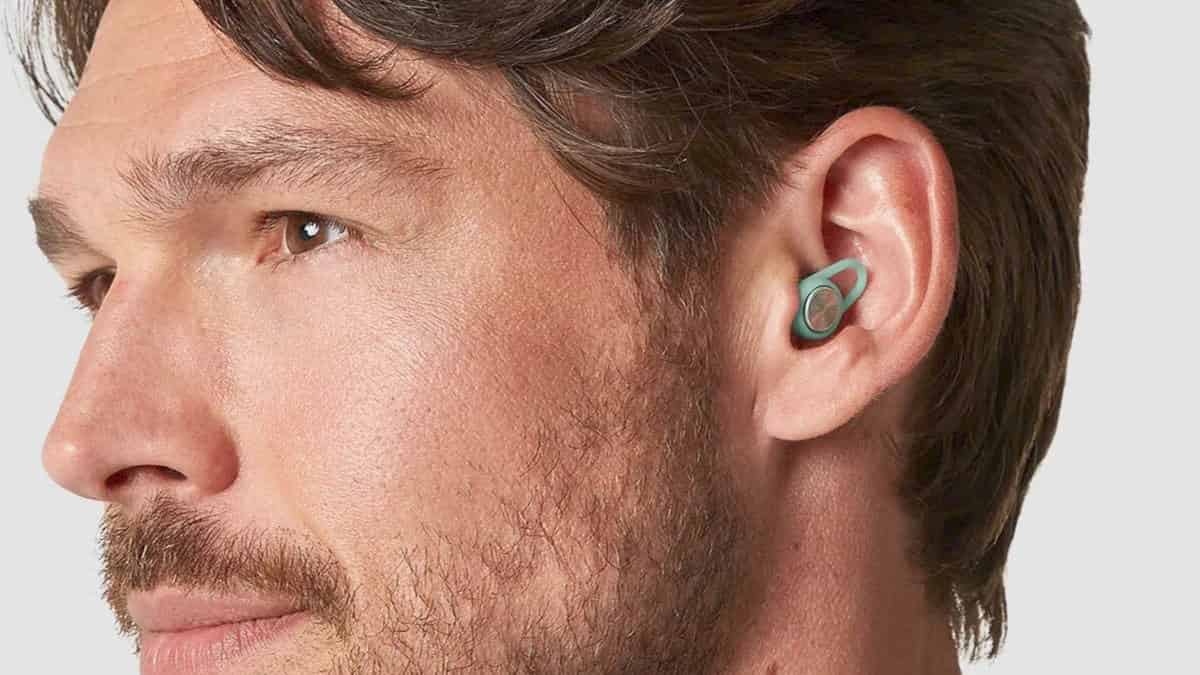
It’s festival season and time to pack!
“Tickets? Check.”
“Tent? Check.”
“Sunglasses that stand a reasonable chance of never making it home? Check.”
“Questionable clothes that only come out for festivals? Check.”
Sounds like I have everything, right?
Well, in my opinion, something massively important is missing: something that could mean enjoying music and festivals for the rest of your life—or not.
Hearing protection.
For something as important as our hearing, protecting it has a remarkable habit of ending up somewhere near the bottom of the festival checklist, and I’m not just talking festivals; I’m talking gigs, nights out, in fact, any venue where noise levels get too high.
Yet, I understand why. I’ve worked in audiology for two decades and spend my working life caring for people’s hearing. Over that time, I’ve seen the same frustrating story play out again and again.
People don’t normally tell me, “I had absolutely no idea loud music could damage my hearing.” That’s obvious, and they’re aware of it. But they do tell me, “I know I should protect my hearing, but earplugs ruin the way music sounds.”
And therein lies the problem.

You don’t have to choose between your music and your hearing
We’ve all tried foam earplugs to reduce sound, and they’re great at it. If you work in a factory, shoot, or want to reduce sound as much as possible, they can be exactly what you need.
With music however, things are very different.
You’ve probably spent a small fortune on your ticket, traveled halfway across the country, and stood in a field for six hours waiting for your favorite artist. The last thing you want to do when they finally walk on stage is make them sound as though they’re performing from inside a cupboard.
Standard earplugs can alter the balance of sound, removing the fidelity and the magic that makes music, music.
So inevitably what happens? They end up being removed. And an earplug sitting in your pocket is, clinically speaking, not particularly effective hearing protection.
:format(webp))
Any damage is permanent damage
This is the scientific part.
Inside your inner ear are tiny hair cells that convert sound into information your brain can understand. Simply put, excessive noise can damage them. Once that damage occurs, there’s no going back, resulting in permanent hearing loss and potentially tinnitus too (an annoying, unwanted sound in your ears).
The sad reality is that I see patients living with the consequences of not protecting their ears from noise every day.
Not one person has ever said, “I’m glad I didn’t wear hearing protection.”
So, what do Hears do differently?
To start, Hears made hearing protection cool, and they’re comfortable!
Rather than approaching the problem by simply blocking as much sound as possible, Hears uses a thin-membrane acoustic filter designed to reduce the overall level while keeping the sound more natural.
Hears describes its membrane as acting like a second eardrum: reducing the sound energy reaching your own eardrum while trying to preserve the balance of the music.
The European-manufactured, patented design comes in two attenuation levels to choose from. Hears One provides a 20 noise-reduction rating, while Hears Plus increases it to 25 dB for situations where you need greater attenuation.
:format(webp))
So yes, music sounds quieter, but the dynamic range, fidelity, and detail are still there, with no frequency distortion, and at a safer level for your ears.
So, when you’re packing for your next festival, gig, or big night out, don’t forget your tickets, the sunglasses, and the questionable outfit…and, of course, your ears. You only get one pair, and once they’re damaged, there’s no going back. The goal isn’t to make live music quieter for the sake of it; it’s to make sure you can still enjoy it for decades to come.
If you already have worries about hearing loss or tinnitus, then make sure you get in touch with an audiologist!
To find out more about Hears earplugs, please visit the Hears website.
This article is sponsored by Hears. The content, perspectives, and recommendations were written by the author and reflect HearingTracker’s independent effort to provide practical guidance for people’s hearing protection.
Matthew Allsop
AudiologistMatthew Allsop is the Video Content Manager at HearingTracker. He has nearly two decades' experience in audiology, and has practiced in both the NHS and the private sector. He is accepting new patients at Harley Street Hearing in London.