ReSound Sensia Hearing Aid Review: Features, and Pricing
)
Our expert team selects and tests products rigorously. We may earn commissions if you buy through our links. Here's how we keep reviews independent.
Hearing aid glossary
Looking that up…
Terms are matched automatically. A definition may not fit every context.

Sensia is GN’s newest flagship prescription hearing aid family from ReSound, combining automatic -powered noise reduction, advanced sound classification, and four-microphone directionality to help wearers focus on the person they are facing. As we noted in the initial Sensia launch article, its biggest advance over its predecessor, ReSound Vivia, may be less about a new AI “brain” than how it incorporates powerful AI into its new speech-in-noise technology for easier use—and, in its top technnology level (level 9), without requiring users to reach for an app or onboard button to change programs.
Compare prices & care
Choose a model and technology level, then compare sellers and the care included. Prices are per pair.

Best for Clinic Care4.8(658 reviews)
- 600+ locations
- Local care included
- 500+ 5-star reviews
- All major brands
Compare models and technology levels
What Premium adds over Advanced
- 5 settings vs 4 settings
- 17 vs 14
- 17 vs 14
- 3 settings vs On/Off
- Not included
- Added
Never miss a price drop
Get notified when prices drop for this product
ReSound is the world’s third-largest hearing aid manufacturer and part of the GN group, which includes Beltone, Jabra Enhance, and Danalogic. They have an exceptional reputation and history for producing cutting-edge hearing aids with natural sound and advanced connectivity.
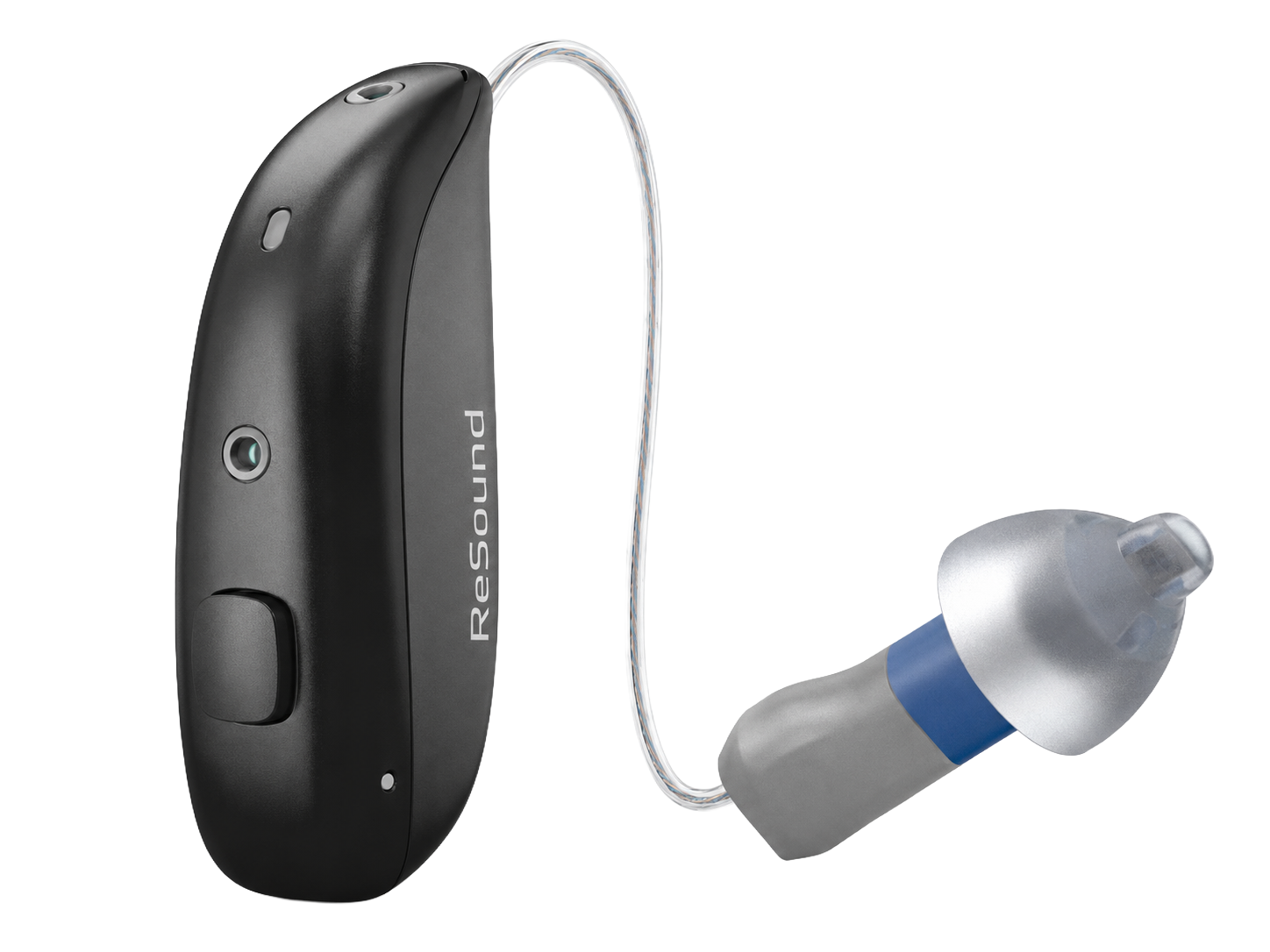
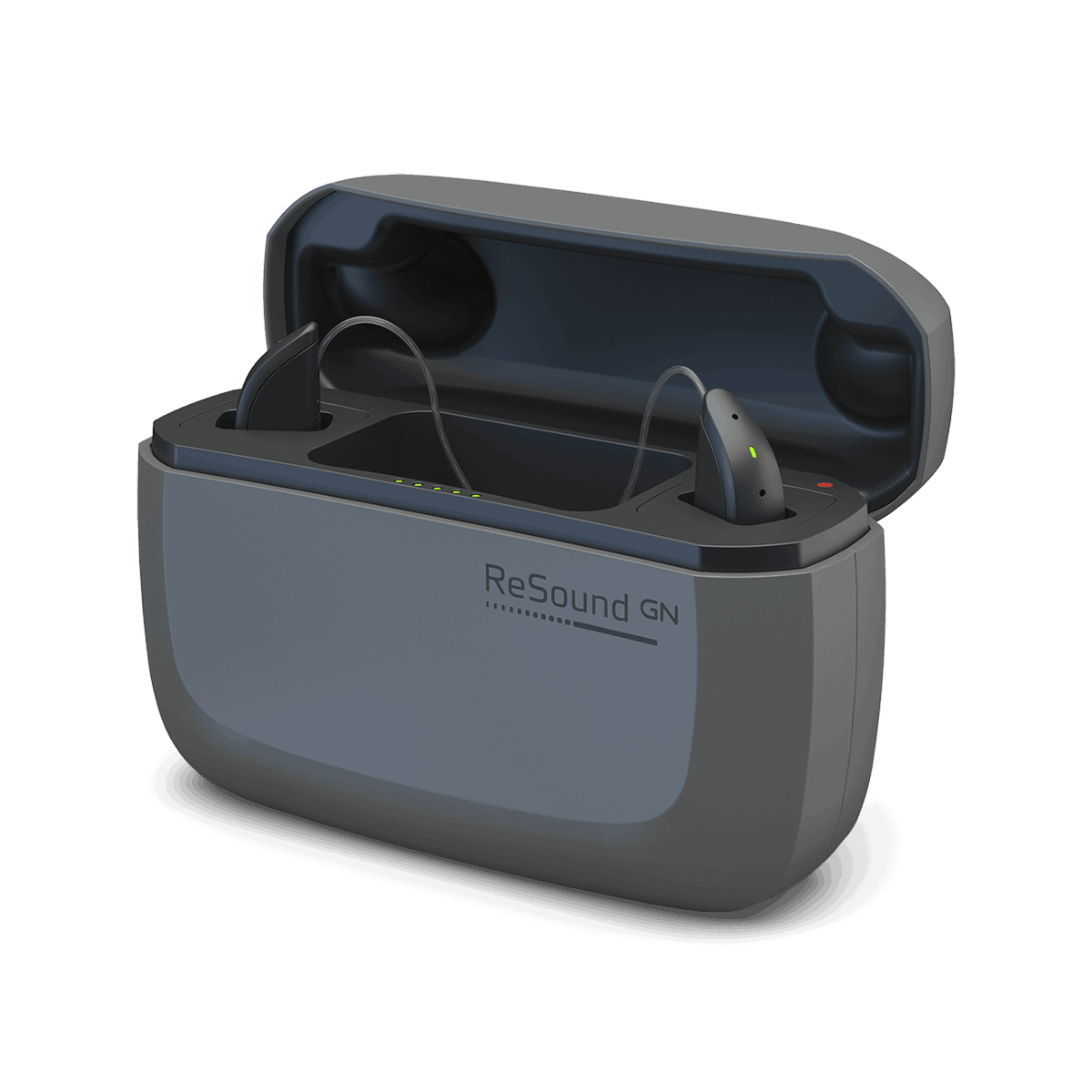
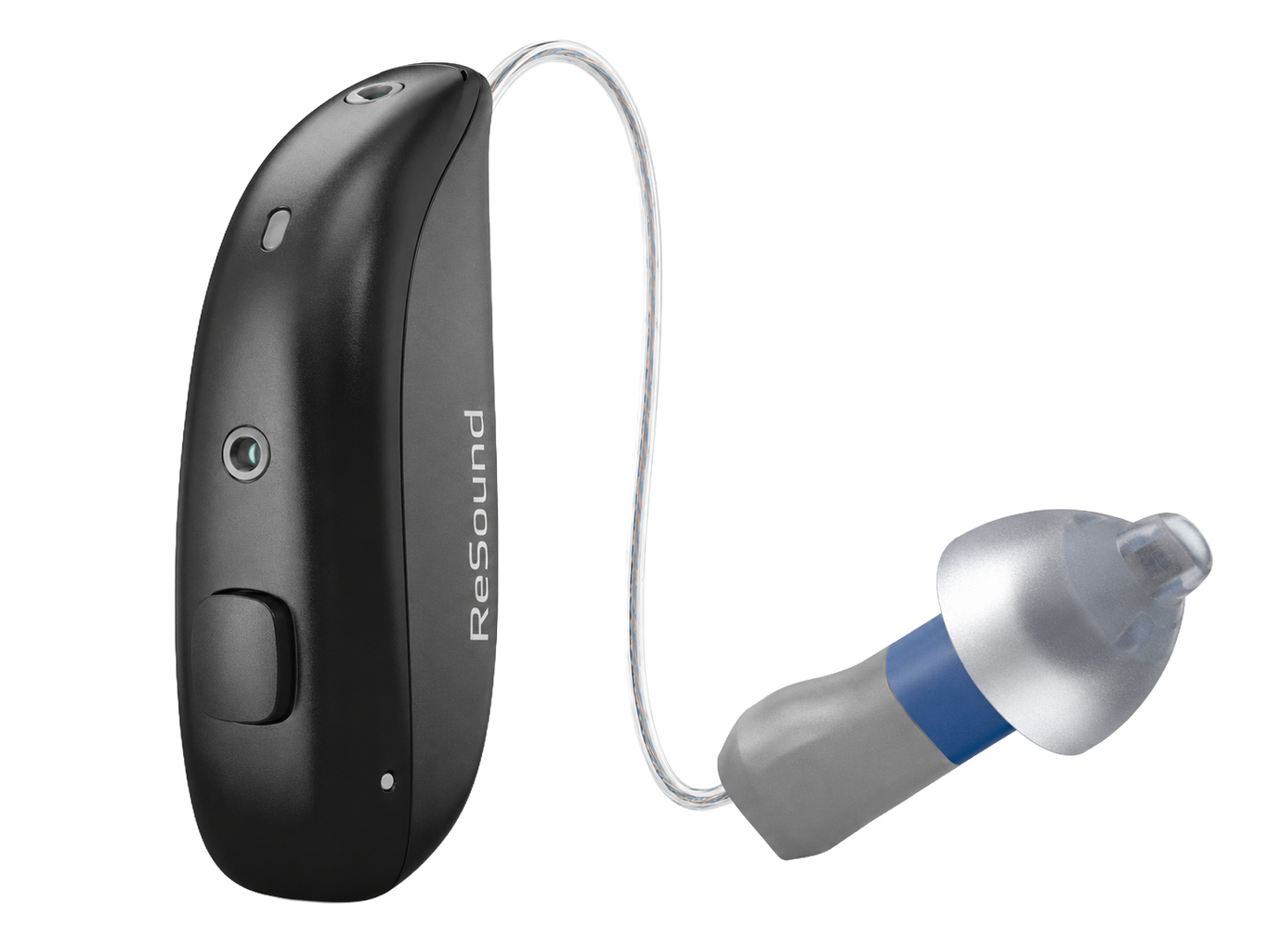
The flagship rechargeable receiver-in-ear (microRIE) has the identical physical look and dimensions as ReSound Vivia, which we believe is the industry’s smallest device in the receiver-in-canal () category.
:format(webp))
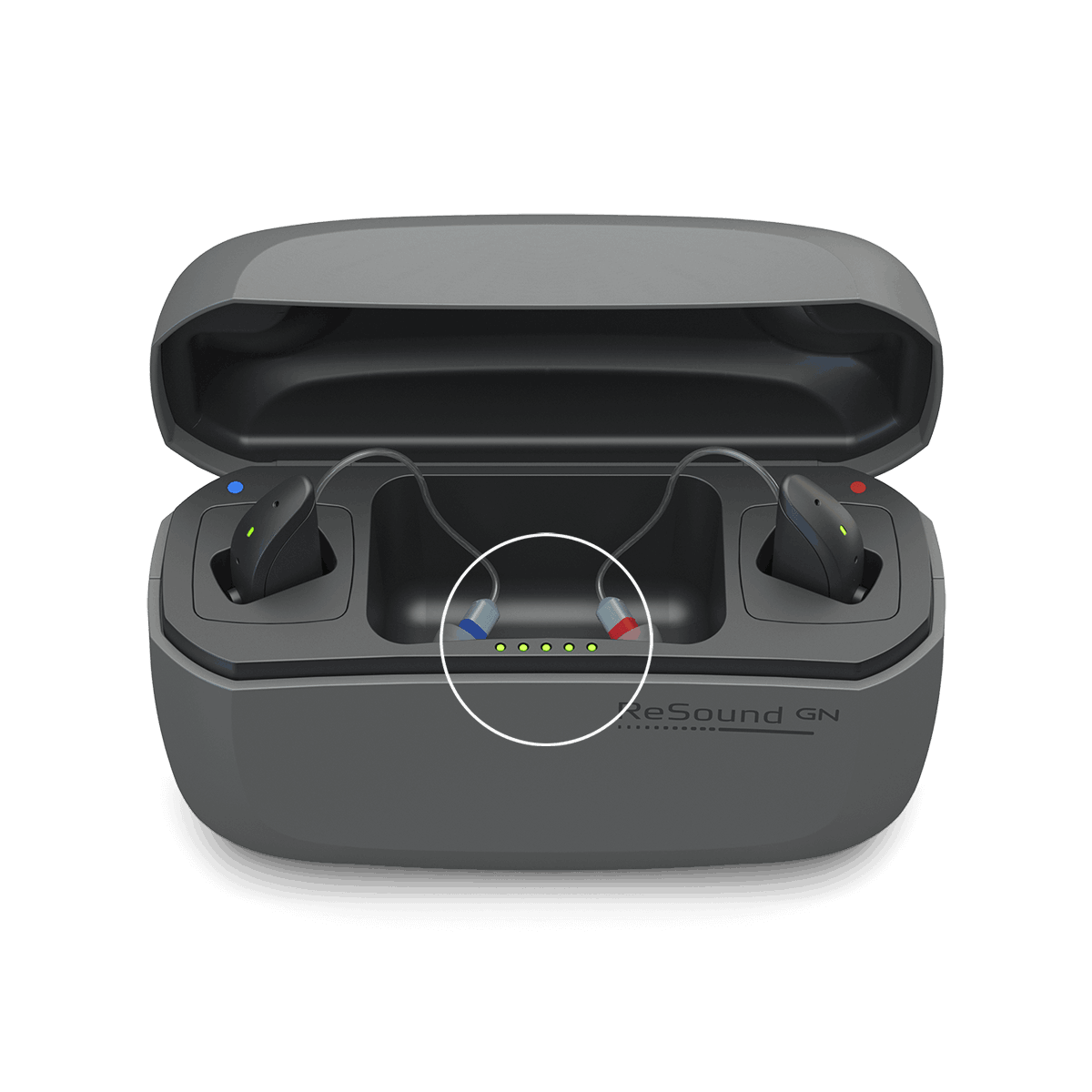
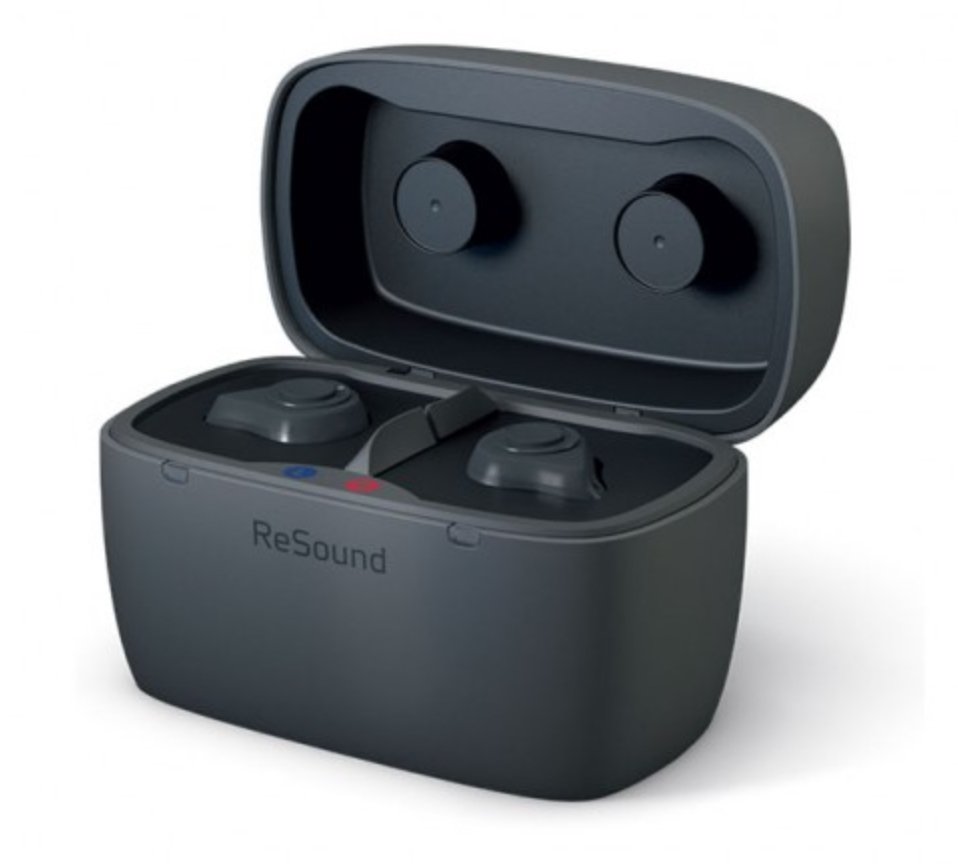
ReSound says its rechargeable Sensia models provide a typical 24 hours of battery life, with a maximum of about 30 hours or about 20 hours when streaming for 50% of the day. Bluetooth is available across the Sensia line except for the nonwireless .
We'll caution that HearingTracker and our testing partner HearAdvisor have not yet formally evaluated ReSound Sensia, so the information and observations below are based on our initial analysis and technical information, as well as research supplied by GN/ReSound. Once Dr. Steve Taddei and HearAdvisor complete their independent testing, we’ll update this page with lab results, SoundScores, and our final assessment.
Our Early Take
There’s a lot to like about the thinking behind ReSound Sensia.
ReSound Vivia already had one of the more sophisticated -based noise-reduction systems available in a hearing aid. The problem was that its strongest processing lived in a separate hearing-in-noise program. In other words, the technology could be excellent—but only if the wearer recognized that it was needed and remembered to turn it on.


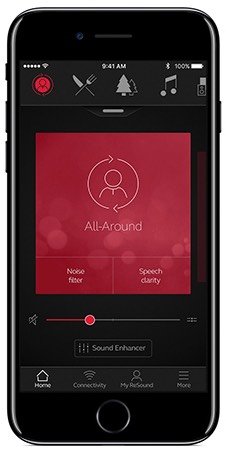
Sensia 9 attempts to remove that extra step. Its new Intelligent All-Around program can recognize a difficult conversation in noise and automatically combine ReSound’s denoising with a four-microphone beamformer. The goal is not simply to identify speech, but to emphasize the person the wearer is actually looking toward—even if another voice elsewhere in the room is louder.
That could be a genuinely important improvement for people who want sophisticated hearing aids without requiring them to become sophisticated hearing aid users.
There are some important qualifications, however. Sensia uses essentially the same DNN and underlying processing chips as Vivia; much of the advance comes from the new environmental classification, feature activation, and coordination of the different processing systems. And the complete automatic DNN system is not available throughout the Sensia family. At launch, it is Sensia 9 microRIE that gets the full Intelligent All-Around experience. Sensia 7 microRIE gets DNN denoising in a manually selected hearing-in-noise program, while Sensia custom hearing aids do not include DNN processing.
That makes our forthcoming independent testing especially important. We want to know not only whether Sensia’s can reduce noise under controlled conditions, but whether its automation consistently recognizes quiet versus noisy situations, activates the right processing, and produces meaningful improvements in speech understanding without creating unwanted sound-quality tradeoffs.
:format(webp))
What Makes ReSound Sensia Technology Different?
Sensia’s central technology is called Intelligent All-Around, which brings three systems together:
1) AcoustIQ: Understanding and making changes for your environment
AcoustIQ continually analyzes the listening environment and determines not only what kind of environment the wearer is in, but which hearing aid features should be activated.
Hearing aids are really only as good as their sound-scene classifiers—and what the hearing aid does in response to the classification. Correctly labeling a situation as “speech in noise” has limited value if the hearing aid then fails to turn on the directionality or noise reduction that might help.
GN reports 91% environmental-classification accuracy in its testing and says Sensia achieved 88% greater accuracy in combined classification and appropriate feature activation than the closest premium competitor tested.

Again, these are manufacturer-reported results and should not be confused with independent HearingTracker or HearAdvisor testing. But, if you can take them at word, what it suggests is that these hearing aids should give you exceptional performance in a wide variety of listening environments.
2) Four-Microphone Beamforming: Looking Toward the Conversation
Sensia can coordinate the two microphones on each hearing aid, effectively creating a 4-microphone directional system.
The underlying idea is simple: people tend to look at the person they want to hear.
When Sensia identifies a difficult conversation in noise, the hearing aids can create a forward-facing area of emphasis while retaining some lower-frequency information from around the wearer. ReSound says this helps maintain spatial awareness instead of making everything outside a narrow beam disappear.
That addresses a known weakness of denoising: a can be very good at finding speech, but if several people are talking, the system does not necessarily know which voice matters to you. Sensia uses direction as an additional clue. With some DNN-powered hearing aids, they can mistakenly hone in on a particularly loud person two tables away in a restaurant, or even focus on the Muzak.
3. DNN Denoising: Reducing the Distractions
The third piece is ReSound’s DNN. Like the DNN used in Vivia, it has been trained to distinguish useful speech from competing noise and reduce distracting sounds.
With Sensia 9, however, the DNN can now be activated automatically within the main listening program and combined with the 4-microphone directional system. ReSound describes the result as bringing the conversation in front of the wearer forward while making competing sound less distracting.
Interestingly, Sensia does not use the DNN for every noisy environment. If the hearing aid determines that the environment consists mostly of nonspeech noise—for example, a fan or vacuum cleaner—it can instead use ReSound’s established Noise Tracker II processing. GN says this is intended to avoid undesirable artifacts that can occur when a speech-trained DNN tries to process sounds it is poorly suited to.
:format(webp))
Sensia 9 vs Sensia 7: An Important Difference
Consumers considering Sensia should pay particular attention to technology level.
Features | Sensia 9 micro RIE | Sensia 7 micro RIE |
|---|---|---|
DNN denoising | ||
DNN activation | Automatic | Manual program |
Full Intelligent All-Around | No | |
4-microphone processing | ||
AcoustIQ classification | ||
MFi, ASHA/LE Audio & Auracast |
Sensia 9 is therefore the product that most fully represents GN’s headline claim of an hearing aid that automatically recognizes a difficult conversation and brings the intended speaker forward. Sensia 7 makes technology available at a lower tier than Vivia did, but it does not provide the same automatic experience.
ReSound says AcoustIQ and advanced four-microphone strategies extend more broadly through the Sensia family, so the lower technology levels are not simply stripped-down versions with none of the platform’s new processing. Nevertheless, buyers should be careful not to assume that every hearing aid carrying the Sensia name includes automatic DNN denoising.
What Does the Research Show So Far?
GN has presented several encouraging findings, but they require some context.
In one study involving 20 hearing aid users, participants listened to equally loud voices coming from the front and side. ReSound reported that Sensia made the forward-facing speaker most audible for 80% of participants.
Researchers at Hörzentrum Oldenburg subsequently examined a similar setup and found that Sensia was more likely to favor the forward talker when competing speech was located to the side. ReSound also cites independent work from Hörzentrum Oldenburg supporting the combined use of its 4-microphone technology and processing to improve audibility and reduce listening effort.
ReSound Sensia vs ReSound Vivia
Sensia is best viewed as an evolution of Vivia rather than a completely new hardware architecture. Both use essentially the same underlying chipset and DNN, and they’re virtually identical in physical appearance. Vivia already offered ReSound’s -based denoising, Bluetooth , , a very small rechargeable microRIE, and strong connectivity.
The biggest difference is automation. With Vivia, the wearer generally needs to recognize a particularly difficult listening environment and select the dedicated DNN-based noise program. With Sensia 9, AcoustIQ can identify that environment and automatically bring the DNN, beamforming, and other noise-management systems together. GN also adjusted the system’s “steering”—including the thresholds determining when different processing strategies engage—based partly on real-world usage information collected from more than 250,000 connected hearing aids.
For someone buying new hearing aids, that increased automation can be a big deal. For a satisfied Vivia owner, however, whether Sensia represents a compelling upgrade is a harder question and will depend on pricing, individual listening needs, and ultimately how much benefit the new automatic processing demonstrates in our independent testing.
:format(webp))
Bluetooth, Auracast, and the Smart 3D App
ReSound is known for being a pioneer in wireless hearing aid connectivity, and this remains one of Sensia's strengths.
Sensia supports Bluetooth for direct streaming with compatible iPhones, iPads, and Android devices. LE Audio and are available across the and wireless custom styles, with the being the notable exception.
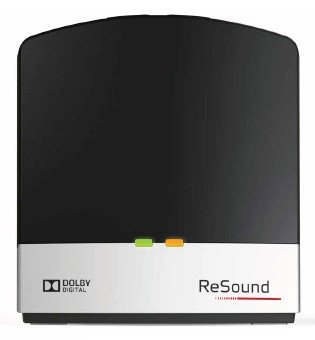
Auracast broadcast systems allow compatible hearing aids to receive audio directly from equipped televisions and, increasingly, public venues such as theaters, auditoriums, transportation facilities, and meeting spaces.
Unlike products sometimes described as merely “Auracast ready,” Sensia’s Auracast capability is functional at launch. Users can locate compatible broadcasts through the ReSound Smart 3D app.
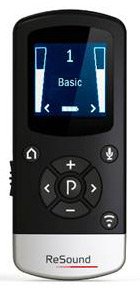
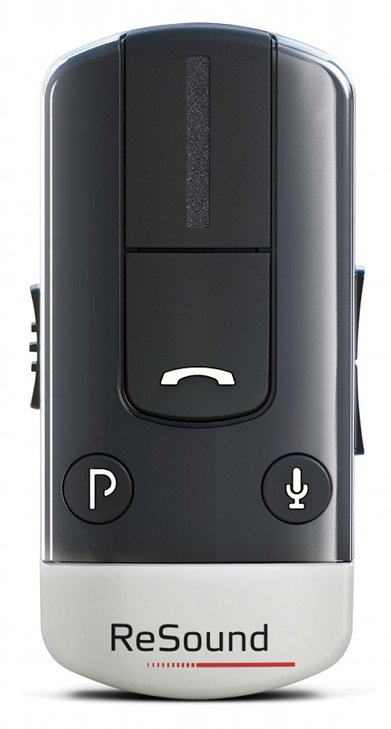
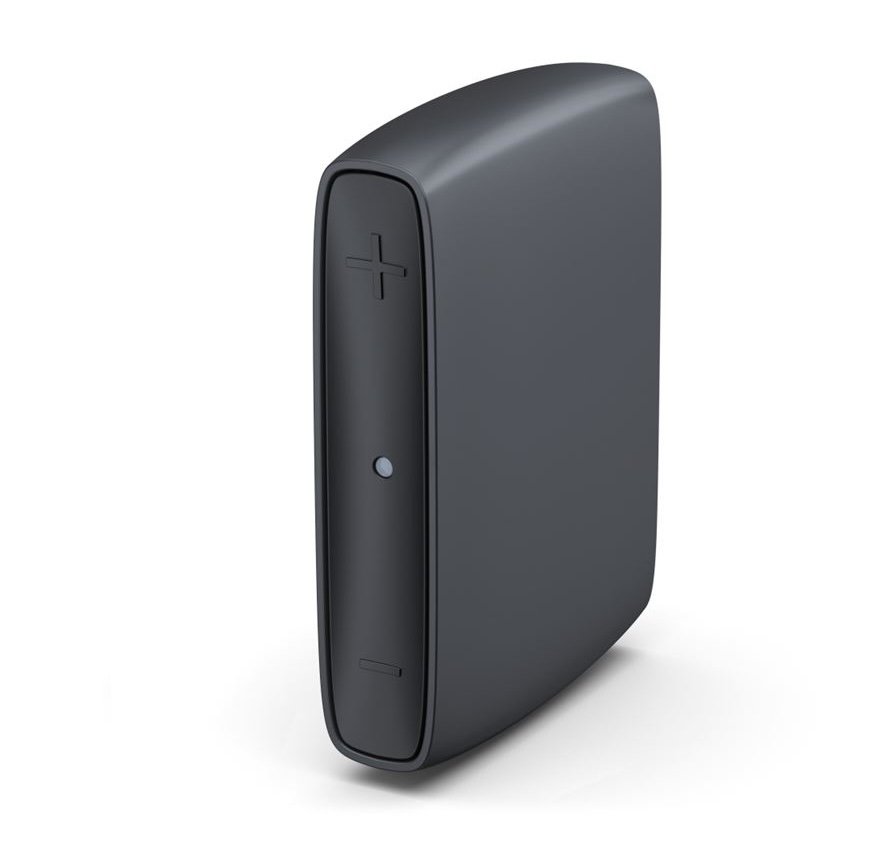
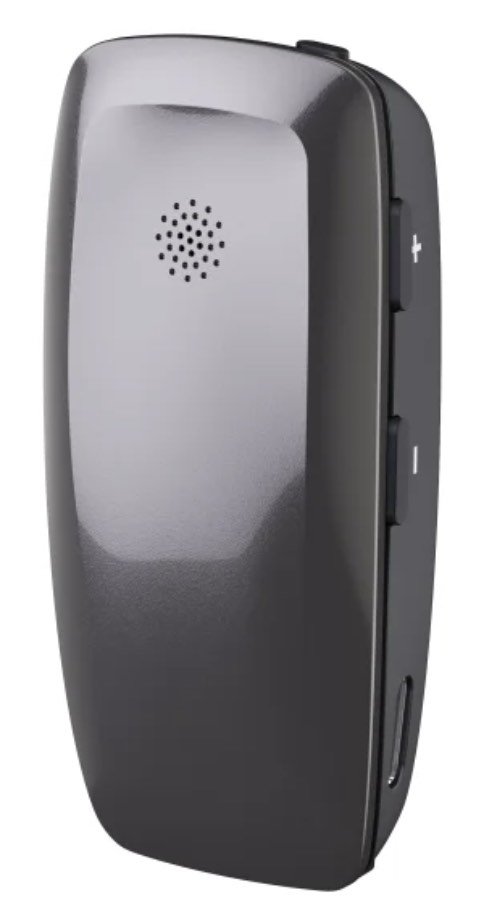
The app also offers personalization controls, Check My Fit, support for remote professional adjustments, and access to compatible ReSound accessories. The microRIE includes TapControl, which allows users with compatible phones to answer a call by tapping the hearing aid or ear.
Who Might ReSound Sensia Be Best For?
Based on what we know so far, Sensia 9 looks particularly interesting for people who frequently struggle with conversations in restaurants, social gatherings, meetings, or other multi-talker environments but do not want to continually manage hearing aid programs themselves.
It may also appeal to:
- People looking for a small, discreet, rechargeable .
- Current ReSound users who like the company’s sound processing but want more automatic help in difficult noise.
- People interested in Bluetooth and .
- Cochlear implant users who want a compatible hearing aid.
- People who value maintaining some awareness of their surroundings instead of applying maximum noise reduction continuously.
Conversely, someone specifically seeking the most advanced processing in a custom in-ear hearing aid should understand that Sensia’s is confined to the rechargeable microRIE at launch. And current Vivia 9 owners may want to see independent test results before concluding that Sensia provides enough additional benefit to justify upgrading from ReSound Vivia and/or Nexia.
Price and Availability
ReSound Sensia is available in the United States starting on August 20, 2026, with Germany and Austria launching at the same time and other markets following later.
We do not yet have enough reliable retail pricing information to provide a meaningful Sensia price range. As a new, premium prescription hearing aid, we would expect the price to be in the range of $4,500-$6,000. However, prices can vary considerably depending on provider, technology level, bundled professional services, geographic market, and the purchaser’s insurance coverage for hearing aids (if any). We’ll update this section as real-world pricing data becomes available.
Sensia is available in four technology levels—9, 7, 5, and 4—and in a broad selection of styles. These include the rechargeable 60S microRIE, as well as 61 and 62 RIE models powered by size 312 and 13 zinc-air batteries, respectively. ReSound also offers / options in the microRIE style for people with single-sided deafness, along with a dedicated Sensia Bimodal microRIE designed to work with compatible Cochlear Nucleus cochlear implant processors.
Custom options include rechargeable and models, a non-rechargeable wireless ITC, and a small non-wireless .
Bottom Line: Promising Automatic DNN-Powered Hearing Technology
ReSound Sensia is an interesting example of where hearing aid AI appears to be heading next.
The advance is not simply a bigger DNN or more aggressive noise reduction. Sensia attempts to answer harder practical questions: When should AI processing be used? Which voice does the wearer actually care about? And can the hearing aid make those decisions automatically without requiring the user to constantly manage it?
ReSound’s solution—combining AcoustIQ environmental classification, a 4-microphone forward-facing beamformer, and DNN denoising—is compelling.
ReSound Sensia builds on the strengths of Vivia with smarter classification and automation, and a more seamless approach to AI-powered speech-in-noise processing. HearingTracker and the independent HearAdvisor test lab look forward to evaluating its performance and reporting on the results soon.
Karl Strom
Editor in ChiefKarl Strom is the editor-in-chief of HearingTracker. He was a founding editor of The Hearing Review and has covered the hearing aid industry for over 30 years.