In this video, HearingTracker Audiologist Matthew Allsop details the six key features that he thinks make Rexton Reach an outstanding value when purchased at Costco.

Our verdict

4.6/ 5

I found the original Rexton Reach R-Li T comfortable, with clear speech and easy app controls. Long battery life adds to its appeal, although streamed music lacked bass. Costco now lists the newer Reach R Plus; this review and its lab results cover the original model.

The Rexton Reach R-Li T is a premium receiver-in-canal () hearing aid that impressed me with clear speech, a comfortable fit, and straightforward app controls. In restaurants and social gatherings, I found its speech processing effective. HearAdvisor lab testing supports good speech clarity in quiet, with more mixed performance in background noise. Music streaming was the main compromise for me: it sounded a little flat and light on bass.

At the $1,499-per-pair Costco price reported in my original review, I considered Reach an excellent value. Its combination of multi-track speech processing, noise management, long rechargeable battery life, and IP68-rated durability remains appealing. It can be fitted for a wide range of hearing losses, from mild to severe, depending on the receiver and ear fitting your provider selects.

Which Reach does this review cover? I tested the original R-Li T80. Costco now lists the newer Reach R Plus RIC with a Premium Charger, starting at $1,599.99 per pair, with prices varying by state. The R Plus adds Bluetooth Classic and advertises up to 54 hours without streaming. Those are different specifications, and the lab results below apply only to the original R-Li T. Check with your local Costco about original-model stock and pricing.

Here is what I learned from hands-on use and lab testing, and where I would pay particular attention during a fitting.

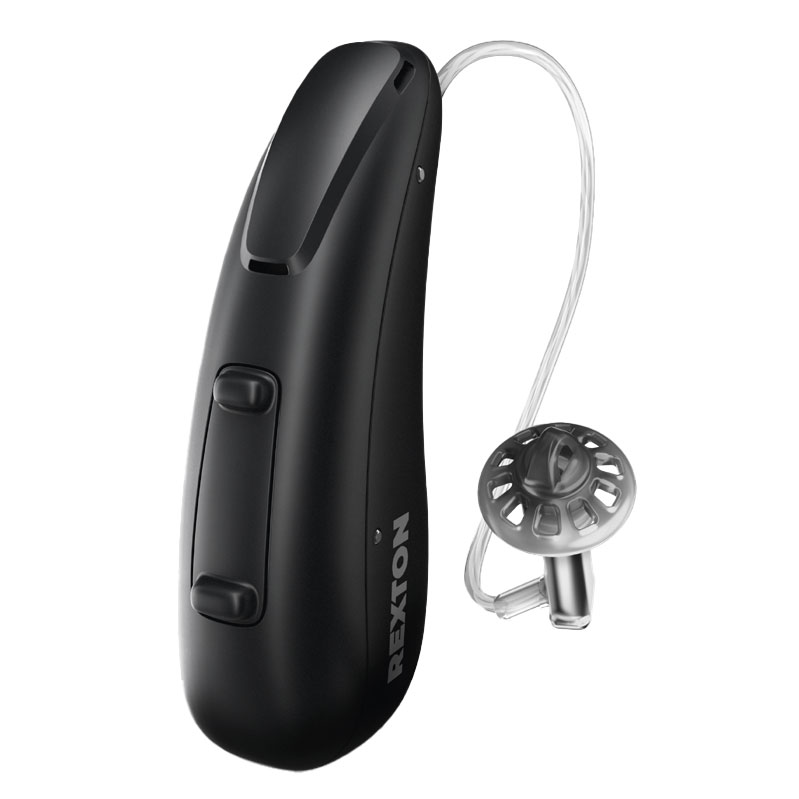
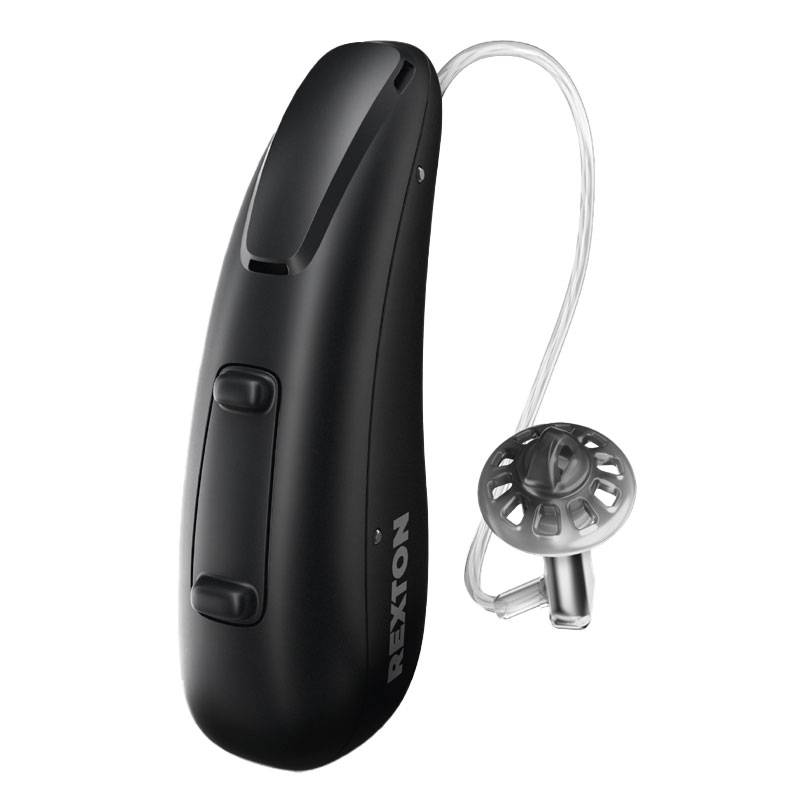
Rexton Reach R Li T receiver-in-canal (RIC) hearing aid.

Positives

  • Strong original value: At the $1,499 pair price in my original review, Reach offered premium features at a substantial saving over many clinic options.
  • Clear speech: I found voices crisp in quiet and speech processing helpful in restaurants. Lab speech scores were above the prescription average, although noise results were more mixed.
  • Long battery life: Rated for up to 39 hours per charge, or 34 hours with five hours of streaming.
  • Phone streaming: Supports compatible iPhones and Android phones, with hands-free calling through supported or connections.
  • Durable construction: IP68-rated protection against dust and water, with a sturdy charging case.
  • Comfortable and discreet: I found the small design secure, lightweight, and comfortable for extended wear.
  • Easy app controls: The Rexton app was intuitive and responsive in my testing.

Drawbacks

  • Follow-up care matters: Costco includes professional fitting, but people with complex needs should confirm that their provider can offer the time and support they need.
  • Limited streamed bass: Music sounded a little flat to me, and lab music-streaming results were slightly below the prescription average.
  • Phone compatibility varies: Streaming and hands-free features depend on the phone and firmware; some owners report connection or app problems.
  • Accessory choices: Reach supports wireless accessories, although its accessory range is narrower than some clinic alternatives.
ADVERTISEMENTad for Signia

About our testing: This review combines hands-on evaluation for HearingTracker with standardized laboratory testing from HearAdvisor. The companies are separate but have overlapping leadership, and author Steve Taddei is also HearAdvisor’s co-founder and lab director. HearAdvisor determines its testing methods and SoundScores independently of manufacturers; HearingTracker is responsible for this review’s editorial conclusions.

Lab Testing: Performance of the Rexton Reach Hearing Aid

In HearAdvisor lab testing, the original Reach R-Li T earned an A SoundGrade and a HearAdvisor Expert Choice Award. Its strengths include speech clarity in quiet and resistance to feedback. Background-noise performance is more mixed, and streamed music is slightly below the prescription hearing aid average.

The SoundScore summarizes lab sound performance. HearingTracker’s broader HT Score also considers ownership features and price; the two ratings happen to display the same number for Reach, but measure different things.

Understanding the results

HearAdvisor tests use a standardized sloping, moderate hearing loss (N3). For prescription hearing aids such as Reach, Initial Fit uses the manufacturer’s default first-fit prescription for that hearing loss. For Tuned Fit, an expert attempts to match prescribed gain targets—the amplification recommended for that hearing loss—using the available adjustments. Both Reach tests used vented sleeves, the SmartFit formula, and the automatic program; the tuned setup adjusted volume toward those targets. These results describe that test fitting, rather than predicting an individual wearer’s benefit.

HearAdvisor

Rexton Reach R-LI T 80

Speech in Noise: Helpful, with Limits

Rexton Reach’s lab speech-in-noise results are above the current prescription hearing aid average, but they leave room for improvement. Its multi-track processing analyzes sound from different directions to prioritize speech and reduce background noise. In my testing, I found it particularly effective in restaurants and social gatherings, where background noise can drown out conversation.

Some alternatives performed better in the lab: Oticon Intent and the original Phonak Infinio Sphere recorded stronger speech-in-noise results. Comparisons with Starkey Evolv AI and Edge AI depend on the fitting tested; they were not uniformly better than Reach. In appearance, operation, and features, Reach most closely resembles Signia Pure Charge&Go IX.

Owner experiences add useful context to my positive impressions. An experienced wearer described intrusive everyday sounds after two months with Reach, while another account describes a tradeoff between reducing unwanted sounds and hearing soft speech. Other owners report good restaurant results after fitting adjustments. These individual reports do not establish how common either outcome is, but they reinforce the value of checking both noisy settings and softer voices during follow-up visits.

Speech in Quiet: Clear Voices

Reach performed above the current prescription hearing aid average for speech in quiet. That is consistent with my listening impressions: I found voices crisp and well articulated, with minimal distortion, even in soft-spoken conversations. Rexton’s Embedded Speech Preservation technology is designed to retain speech detail while managing surrounding sound.

Feedback Handling and Own Voice

Whistling or squealing feedback can be frustrating, as can a hollow or boomy sound to your own voice. Reach handled feedback well in the lab. Its own-voice result describes the vented sleeves used in testing; it is not a fixed property of every Reach fitting. Ear tips and earmolds can change how blocked your ear feels and how your own voice sounds, so this is worth checking with your provider.

Streaming Music: Light on Bass

Music streaming was one of the few downsides I found. While streamed speech was clear, music sounded a little flat and lacked bass. The lab music-streaming result is slightly below the current prescription hearing aid average.

The tests do not establish why I heard limited bass; the ear fitting and streaming settings can affect the result. If music matters to you, try familiar tracks with Reach before committing. You could also compare options such as Widex Moment Sheer or ReSound Vivia, using the same music and phone to decide which you prefer.

How a Rexton Reach RIC looks on the ear from behind.

Rexton Reach in Real-life Use: Beyond Sound Performance

Here are some of my observations alongside HearingTracker’s assessment of the original R-Li T’s features.

Modern, Sleek, and Discreet

The Rexton Reach R-Li T sits behind the ear, with a small receiver in the ear canal. Its earwire and overall shape made it comfortable for me, even during extended wear. I found the fit secure yet lightweight. Rexton’s US model page lists four color choices; availability can vary by provider.

Battery Life: Plenty of Daily Headroom

Long battery life is a standout feature. The original model is rated for up to 39 hours without streaming. Rexton’s specifications also describe its streaming runtime and charging options:

  • Up to 39 hours per charge without streaming, or 34 hours with five hours of streaming
  • About four hours for a full recharge
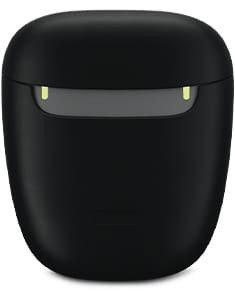
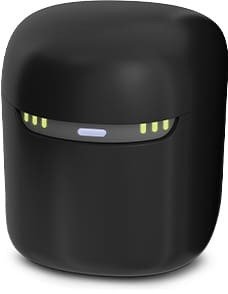
  • A portable travel charger with up to three additional charges

These rated runtimes give Reach useful headroom for a long day, although actual runtime depends on use. Newer models, including R Plus, advertise longer battery life.

Rechargeable batteries lose capacity as they age. A long initial runtime can provide a useful buffer, but it does not guarantee a particular battery lifespan or eliminate the possibility of battery service.

Connectivity and Bluetooth Streaming

The original Reach R-Li T supports direct streaming through Made for iPhone (), on compatible Android phones, and with the appropriate firmware and a compatible device. Hands-free calling is available with supported MFi and LE Audio connections. With ASHA, you generally hear the caller through the hearing aids but speak into the phone’s microphone. Check Rexton’s pairing and compatibility guidance for your exact phone and hearing aid firmware.

ADVERTISEMENTad for Signia

I found the Bluetooth connection strong and stable for streaming and calls. Hands-free calling with a compatible iPhone was a particularly useful feature. However, does not automatically mean support. Rexton’s current guidance describes Auracast as a future firmware feature for R Plus; it does not establish active Auracast reception on the original R-Li T reviewed here.

Forum reports show a wider range of experiences. One Reach owner reported streaming problems with the phone in a pocket, and a Pixel 8 user described unresponsive app controls. Conversely, another owner reported good iPhone use after programming and firmware updates. These are individual accounts, not a reliability survey. Try calls, pocket streaming, and app controls on your own phone during the trial period.

App Features: One of the Best I’ve Tested

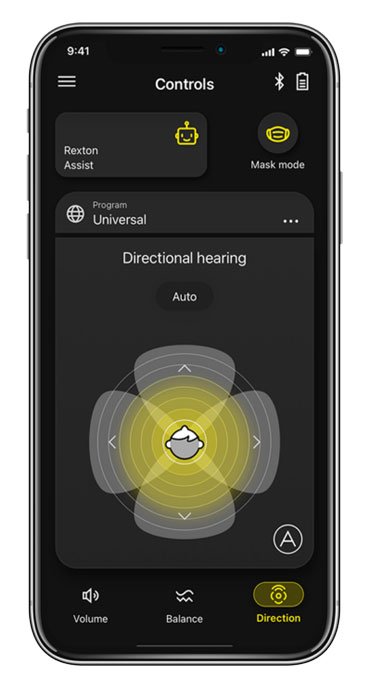
The Rexton app was one of the most user-friendly hearing aid apps I tested. It offered:

  • Customizable sound adjustments
  • Directional microphone control
  • Mask Mode to help with speech from someone wearing a mask
  • Battery level monitoring

I found the design intuitive and the controls responsive. These controls make everyday adjustments convenient, although they do not replace a professional fitting or troubleshooting when something sounds wrong.

Build Quality and Durability

Reach’s HearingTracker build-quality rating is 4.9 out of 5. Its sturdy charging case and IP68-rated dust and water protection are practical strengths. Rexton describes the model as water resistant; that should not be read as a guarantee against every kind of water exposure.

The original R-Li T also has ATEX certification for specified hazardous environments. Anyone relying on that certification at work should check the model’s certification card against their workplace requirements.

Handling and Ease of Use

Reach’s HearingTracker handling rating is 4.5 out of 5. Insertion is straightforward, though new users may need practice. Once the hearing aids are properly fitted, daily operation is simple; regular cleaning and care still matter.

Professional Support: Make Time for Follow-up

One advantage of buying from Costco is the included hearing test, fitting, and follow-up support. The Rexton app also supports remote care where available through your provider.

Costco hearing centers can be busy, and the amount of appointment time and troubleshooting support can vary. If your hearing loss is severe or complex, or you also need help with tinnitus or other concerns, ask what care the center can provide. An audiology clinic or independent practice may be a better fit if it can devote more time or offer services you need. The important point is having a provider who can assess your needs and follow through on adjustments, including real-ear verification and other fitting best practices.

Final Verdict: Strong Value at Its Original Price

At the $1,499 pair price reported in my original review, I considered Reach an excellent value—roughly half the cost of many premium clinic offerings with comparable features. That was a comparison at the time, not a current quote for the original model. Clear speech, long rated battery life, and comfortable wear remain its strongest attractions; limited streamed bass and the need to check phone compatibility are the main tradeoffs I would weigh.

Overall HT Score: 4.6/5

The original Rexton Reach R-Li T remains a well-rounded hearing aid in my assessment. I particularly liked its speech clarity, comfortable fit, and app controls. Its lab results and feature set support that positive view, while music streaming and individual fitting needs deserve attention. If you are shopping at Costco now, confirm which Reach model you are trying: this review’s results do not establish the performance of the newer R Plus.

Review updates

September 27, 2026: Updated this review to match current published HearAdvisor results and distinguish the original R-Li T from the newer R Plus. Initial/Tuned speech-in-quiet scores previously reported here as 3.9/4.1 are now 3.7/3.9; speech-in-noise scores previously reported as 2.3/2.4 are now 2.5/2.5. Both fit SoundScores now display 4.6, compared with 4.5/4.6 in the old table. The overall HT Score remains 4.6. This is an editorial and score update, not a new wear test.

  • Dr Steve Taddei

    Dr Steve Taddei

    Doctor of Audiology

    Steve Taddei, Au.D., is an audiologist, co-founder and lab director of HearAdvisor, and a hands-on hearing aid and earplug reviewer for HearingTracker. He holds an audio engineering degree from Columbia College Chicago and a doctorate in audiology from Northern Illinois University. He also teaches as an adjunct faculty member at several colleges.