Starkey Omega AI+ Hearing Aids: Features, Styles, and Review
)
)
Our expert team selects and tests products rigorously. We may earn commissions if you buy through our links. Here's how we keep reviews independent.
Hearing aid glossary
Looking that up…
Terms are matched automatically. A definition may not fit every context.
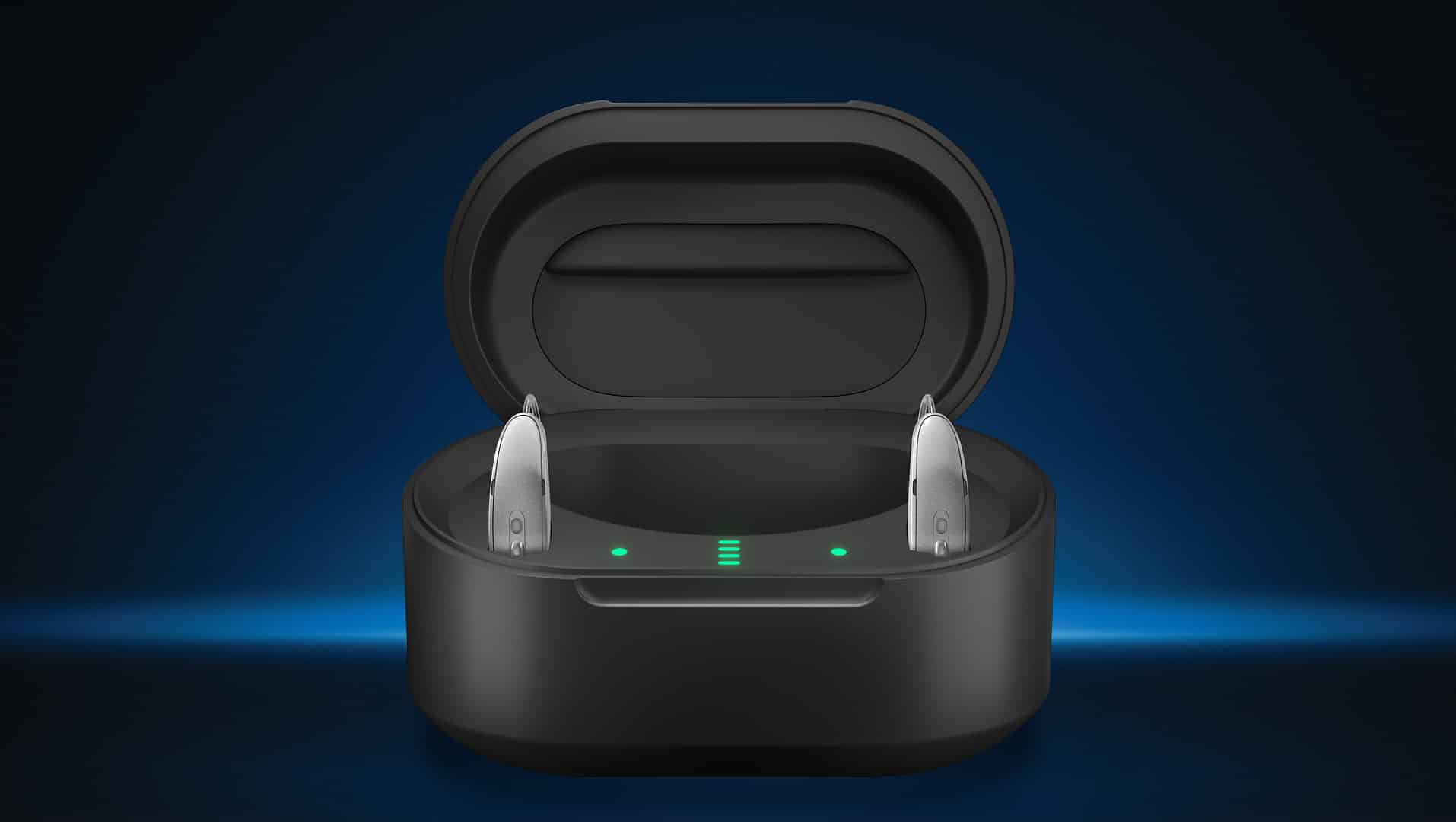
Starkey launched Omega + on October 1, 2026, as its latest flagship family of prescription hearing aids, adding AI-controlled compression, updated noise and feedback management, as well as expanded features for custom hearing aids. Not to be confused with Omega AI, AI+ introduces the G4 Gen AI Neuro Processor chip with four specialized deep neural networks, or , working together to manage sound. The most significant addition is a DNN Dual Compressor that is designed to make quieter speech details audible while maintaining comfortable, natural sound.
Other updates include redesigned feedback management, enhanced Edge Mode, DNN 360 directionality in rechargeable custom hearing aids, and new app features such as sleep tracking and reminders when hearing aids are left behind.
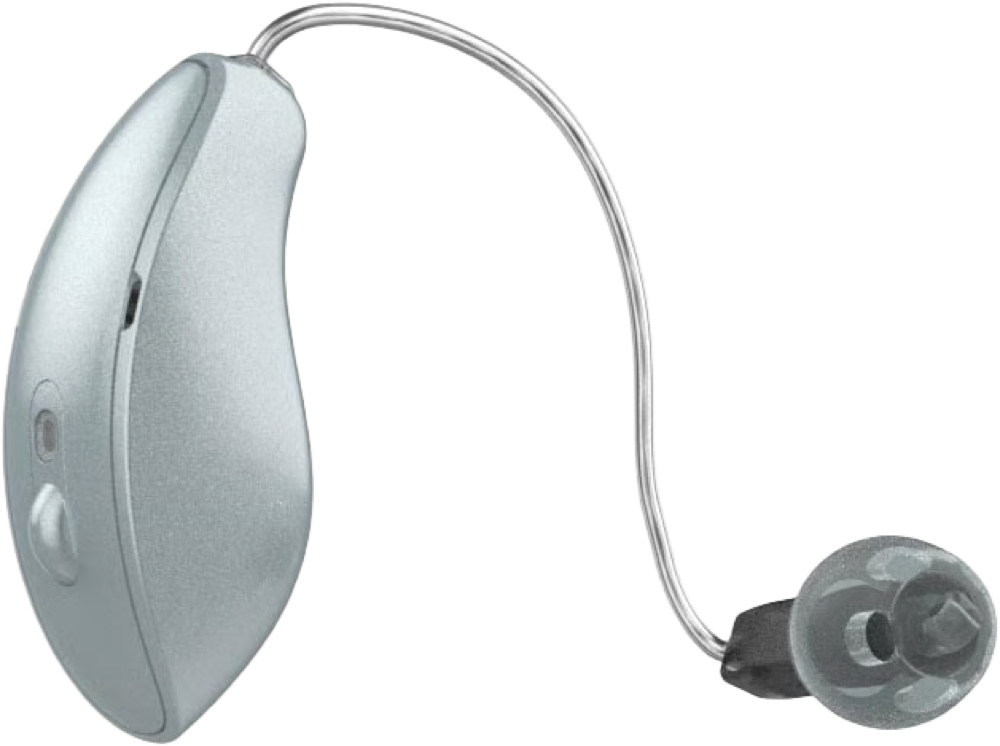
Omega AI+ is a prescription hearing aid fitted and programmed by a hearing care professional. It is available in receiver-in-canal () and custom styles, with features varying by model and technology level.
Compare prices & care
Choose a model and technology level, then compare sellers and the care included. Prices are per pair.

Best for Clinic Care4.8(658 reviews)
- 600+ locations
- Local care included
- 500+ 5-star reviews
- All major brands
Compare models and technology levels
What Premium adds over Advanced
- 24 vs 20
- 24 vs 20
- Up to 22 dB vs Up to 12 dB
- Up to 22 dB vs Up to 10 dB
- Up to 15 dB vs Up to 9 dB
- Up to 35 dB vs Up to 19 dB
Never miss a price drop
Get notified when prices drop for this product
:format(webp))
Quick Take
Starkey Omega + combines advanced AI sound processing with long rechargeable battery life, Bluetooth and connectivity in supported wireless styles, and an extensive app and wellness ecosystem.
Although their names are similar, we don’t think it’s wise to think of Omega AI+ as a “next-generation” Omega AI (non-plus). That’s because the new flagship aid has a different, faster, better-trained processing chip, notably with four separate , one of which is a unique DNN compressor that is said to be the industry’s first to offer both fast- and slow-compression of sound in real time (more on this below).


For reference, the preceding Starkey Omega earned a 4.5/5 SoundScore and an “A” SoundGrade from HearAdvisor. The lab described it as delivering “strong overall sound quality with above-average speech clarity, best suited for tech-forward users seeking premium features.” Its only listed drawbacks were average own-voice naturalness and premium pricing.
Given the advancements in Omega AI+, it appears to be a promising top pick for hearing aids, but we’re awaiting HearAdvisor lab results and Dr. Steve Taddei’s analysis. We will report his findings as soon as they’re available (so watch this page).
The following preview draws on Starkey’s published product information and HearingTracker’s launch coverage and interviews with the company.
What we like about Omega AI+
- More intelligent amplification. The new Dual Compressor adjusts how fast and slow compression work together, with the aim of improving sound quality without sacrificing access to soft speech.
- More flexible help in noise. Enhanced Edge Mode can remain active in premium-level devices, reducing the need to activate it whenever listening becomes difficult.
- Advanced directionality in custom styles. Premium rechargeable and models now offer DNN 360, extending this technology to people who prefer smaller, more discreet hearing aids that sit inside the ear.
- Long rechargeable runtime. Starkey advertises up to 51 hours of battery life, depending on the model and use, as well as quick charges of 10 minutes that can give you up to 3 hours of use.
- Modern wireless connectivity. Supported wireless models offer direct streaming from most iOS and Android devices (check compatibility), Bluetooth , hands-free calling, and access to broadcasts.
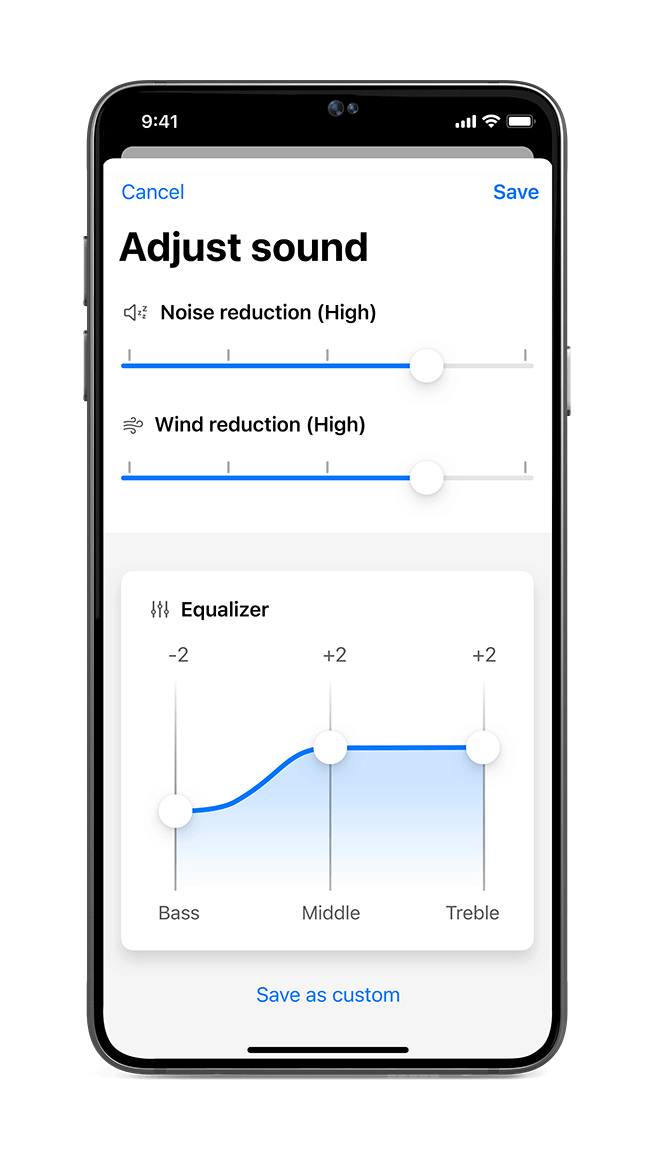
- Extensive app features. My Starkey combines hearing controls, assistance tools, remote care, and health and activity tracking that include fall alerts and the new sleep tracking.
Limitations
- Independent results are pending. Although the original Omega was an excellent hearing aid, we cannot yet say how Omega AI+ compares until HearAdvisor testing is completed.
- Features vary across the family. The smallest non-wireless customs do not offer Bluetooth streaming or the full My Starkey experience, and premium sound-processing features are tier-dependent; check with your provider to ensure smartphone compatibility and that the model you're discussing has the features you desire.
- Sleep tracking requires overnight wear. Fit, comfort, and the opportunity to recharge will influence whether this feature suits you.
- Professional fitting matters. Appropriate receiver power, ear coupling, programming, and real-ear verification are central to obtaining good results.
What’s New in Omega AI+?
With Omega +, Starkey has introduced numerous improvements to the previous generation Omega AI, including:
- Quad Architecture
- DNN Dual Compression
- DNN 360 for all
- Option for “always on” Edge Mode
- Intelligent and personalized Feedback Management
- Sleep Tracking
- Hearing Aid Left Behind alerts
Here is what you need to know about these technologies and features.
New super-fast chip for better processing and sound quality
Omega AI+ uses Starkey’s G4 Gen AI Neuro Processor, with neural-network processing integrated directly onto one chip whereas several competitor hearing aids use two chips—which Starkey contends can lead to delays (latency) and reduced efficiency and battery life.
Starkey’s Quad DNN Architecture coordinates four specialized networks for:
- Speech enhancement and noise reduction
- Directionality
- Spatial awareness (DNN 360)
- DNN Dual Compression
According to Chief Technology Officer Achin Bhowmik, PhD, processing speed is central to making the advanced features in Omega + work together while preserving natural sound quality.
Why might speed matter? Hearing aids take time to analyze, modify, and deliver sound. When that processed sound mixes with sound directly entering the ear, excessive delay can introduce distortion that makes listening sound less natural. The G4 is designed to keep this delay short while running all four networks efficiently.
Starkey reports audio processing up to 2.7 times faster than the slowest competing hearing aid evaluated in its comparison of five other top hearing aids.
DNN Dual Compressor for clarity and sound quality
Compression helps hearing aids make soft sounds audible while keeping louder sounds comfortable. As hearing loss progresses, the “dynamic range”— or the gap or tolerance between a sound being audible and it being too loud—can shrink considerably. Compression helps squeeze sound into that gap.
Fast compression is good at enhancing brief speech details, such as sharp consonants, but it may also produce noticeable fluctuations or unnatural “pumping” in some sounds. Slow compression can preserve a steadier, more natural listening experience, but can miss brief sound fluctuations.
Starkey’s DNN Dual Compressor uses speech detection to regulate the contribution of fast and slow compression. It is designed to apply fast compression when useful for speech and reduce it during non-speech segments.
In a manufacturer study involving 14 experienced hearing aid users, all participants preferred the new system and reported hearing fewer artifacts in the laboratory comparison. Although speech recognition did not differ significantly between the new and legacy compression settings in the tested conditions, the findings do support the benefit of improved sound quality.
Enhanced “always on” Edge Mode
Edge Mode can be very useful in situations where you’re struggling with speech understanding in noise. When engaged, it provides additional AI-based optimization of speech audibility and noise management.
With the previous generation Omega AI, users had to go into the My Starkey app to activate this exceptional feature for listening in noise. With Omega AI+, Starkey has updated its processing and added the option to keep it active in the first listening program (Premium 24 tech level only). This gives wearers a choice between on-demand automatic assistance and ongoing optimization.
Updated feedback management
Omega AI+ also introduces a redesigned system to manage whistling or chirping that can occur when amplified sound leaks back into a hearing aid’s microphones. Starkey says the system tracks changes in this feedback path and coordinates cancellation with other processing strategies. The aim is stable amplification during activities such as moving your jaw, holding a phone near your ear, or putting on a hat.
Starkey has made a considerable effort in promoting this new feedback-reduction feature, which we find a little odd because their previous feedback management system appeared to work quite well. We suspect the new system may have more benefits in programming the hearing aid, helping hearing care professionals maintain the desired amplification while managing feedback in more challenging cases.
:format(webp))
Styles and Technology Levels
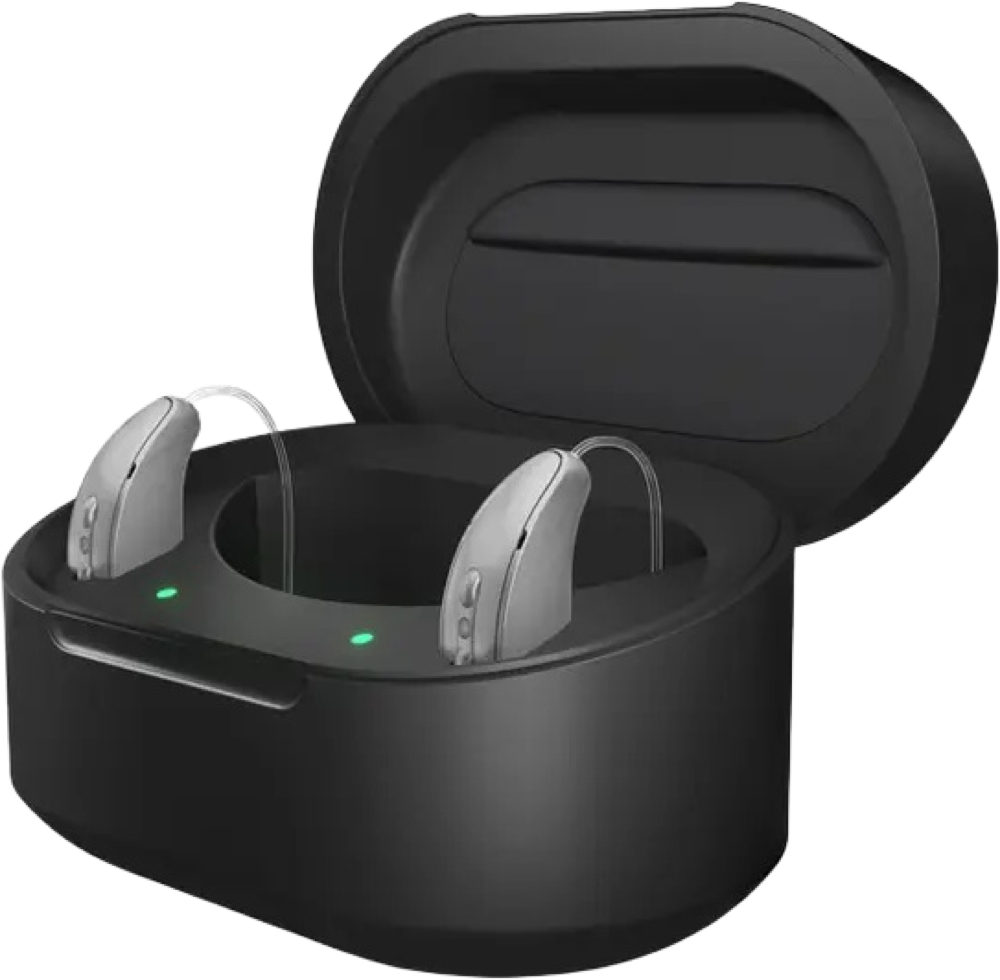
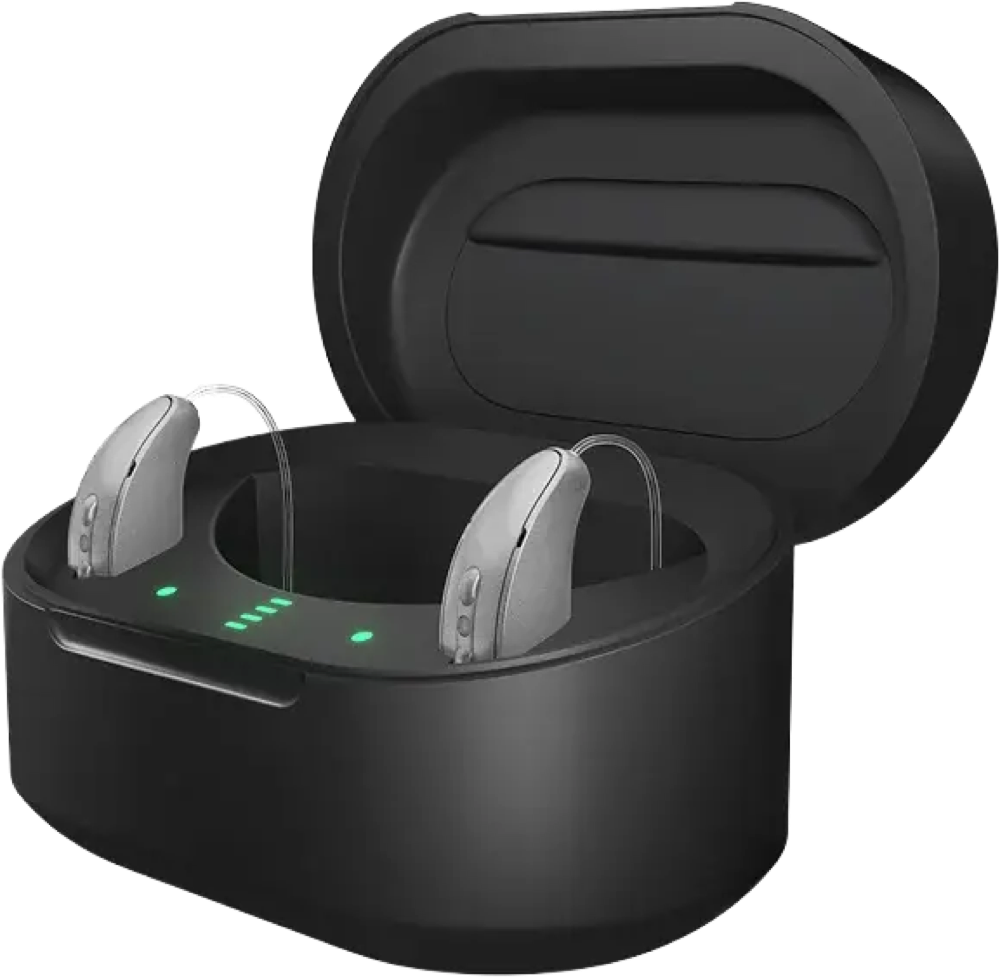
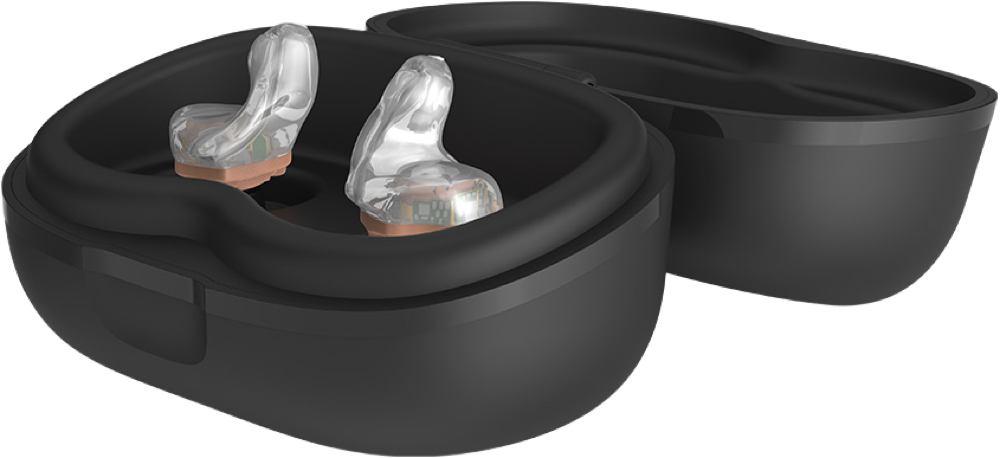
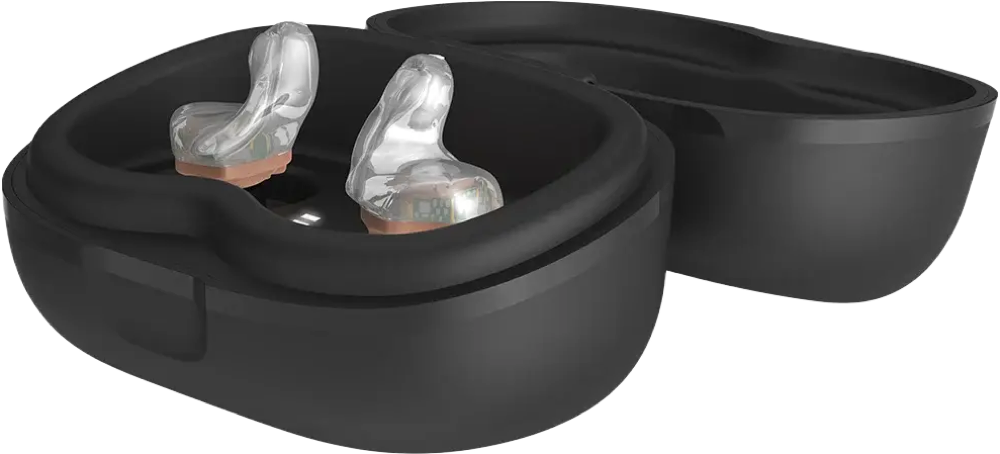
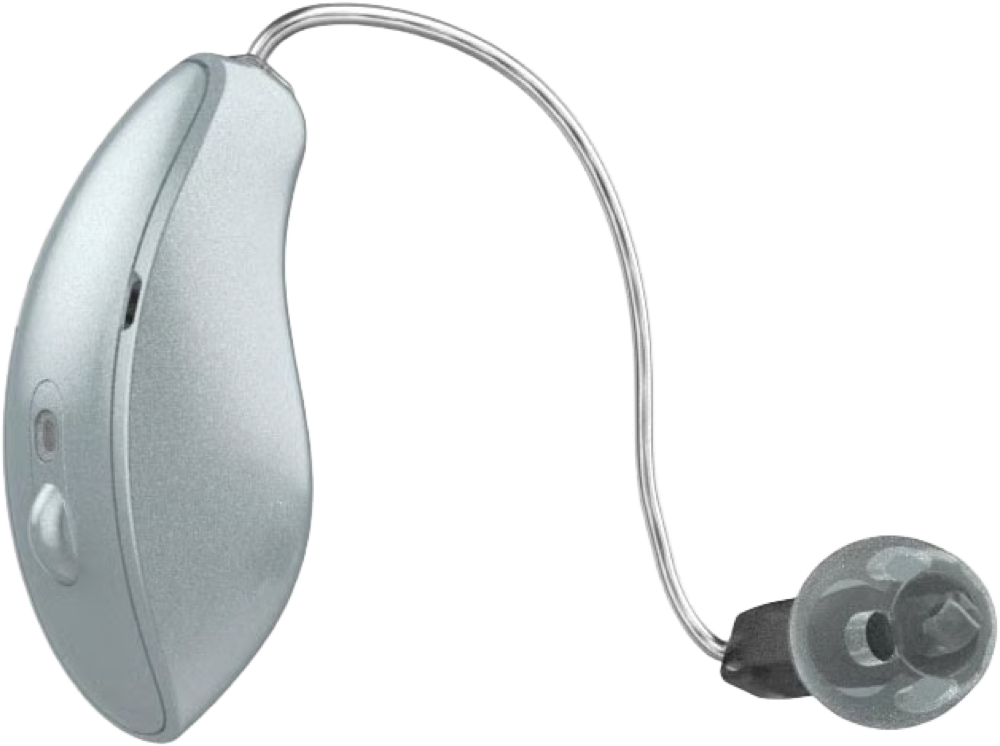
The Starky Omega family includes rechargeable , a RIC with a disposable size-312 battery, rechargeable and custom in-ear models, and smaller and options. A rechargeable non-wireless CIC is also available. Custom suitability depends on your hearing loss and ear anatomy.
The non-wireless style is offered at level 24; other listed styles have broader tier choices. Note that the 360 feature requires directional microphones and is not a feature of every custom device.
Below are the features available in each of the three technology tiers.
Feature | Level 24 (Premium) | Level 20 (Advanced) | Level 16 (Standard) |
|---|---|---|---|
DNN Dual Compressor | -- | -- | |
DNN 360 and spatial awareness* | |||
Adaptive directionality* | |||
Motion-based directional optimization | -- | ||
Always-on Edge Mode | -- | -- | |
App-controlled Edge Mode | |||
Speech-in-noise reduction** | Up to 22 dB | Up to 10 dB | Up to 8 dB |
Gen AI Smart Assistant and TeleHear AI | -- | -- | |
Translation and Push-to-talk | -- | -- | |
Transcription | -- | -- | |
Hearing Aids Left Behind alerts | -- | -- | |
Auracast assistant*** | |||
Hearing health and activity tracking | |||
Fall alerts and balance assessment | |||
TeleHear remote fitting |
Ask your provider to identify which features are included in the specific model and tier being quoted.
Battery Life, Charging, and Durability
Starkey reports battery life of up to 51 hours without streaming and 45 hours with streaming for the RT, and approximately 42 hours for custom and mRIC models. Actual runtime dependent on style, streaming, settings, use, and age of the hearing aid battery. Smaller custom devices have different battery capacities, so the family’s maximum runtime should not be treated as the battery life for every model.
The new StarLink Charger 3.0 supports rechargeable RIC models. A Premium version includes an onboard battery for charging away from an outlet. Starkey says a new Custom Charger 3.0 is coming soon.
Omega + rechargeable hearing aids carry an IP68 rating for dust and water protection—the highest possible rating for hearing aids. The “6” means they are dust-tight, while the “8” indicates protection during water immersion under specified test conditions. These styles are described as waterproof up to one meter, providing added protection against everyday moisture exposure.
Bluetooth, Auracast, and Accessories
Supported wireless Omega AI+ models stream audio from compatible Apple and Android devices. Bluetooth supports two-way audio on compatible devices, while Auracast lets you access compatible broadcast sources, such as equipped TVs or public audio systems. The My Starkey app’s Assistant helps users select available broadcasts.
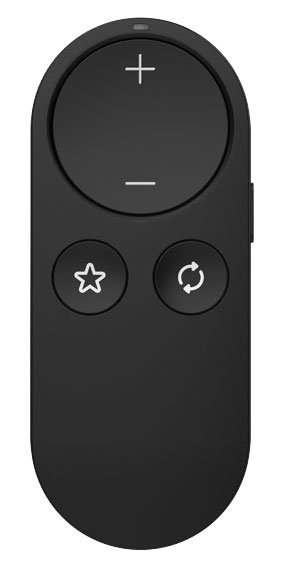
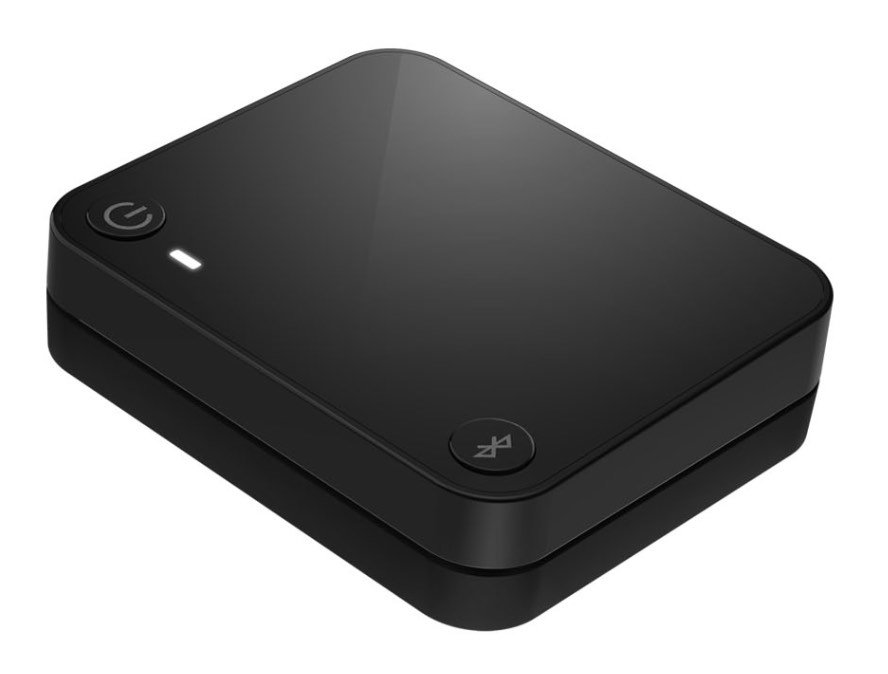
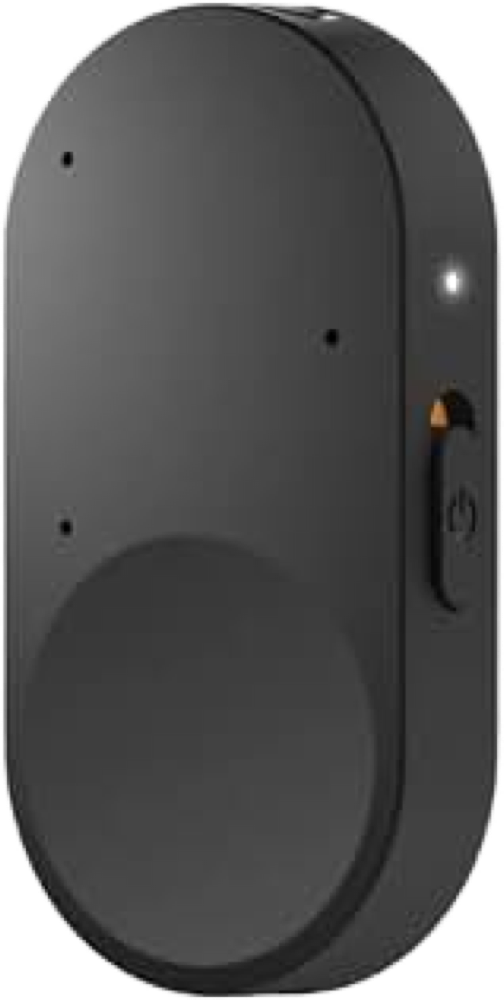
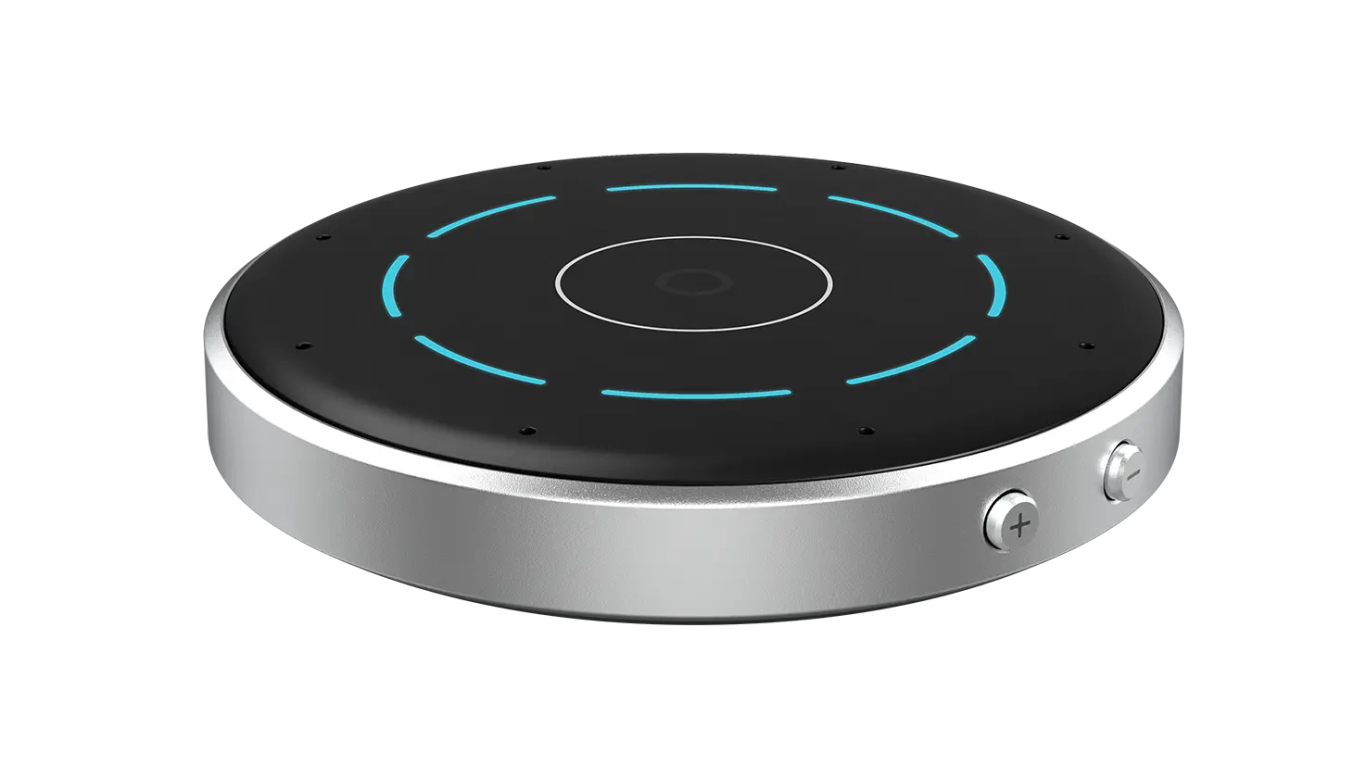
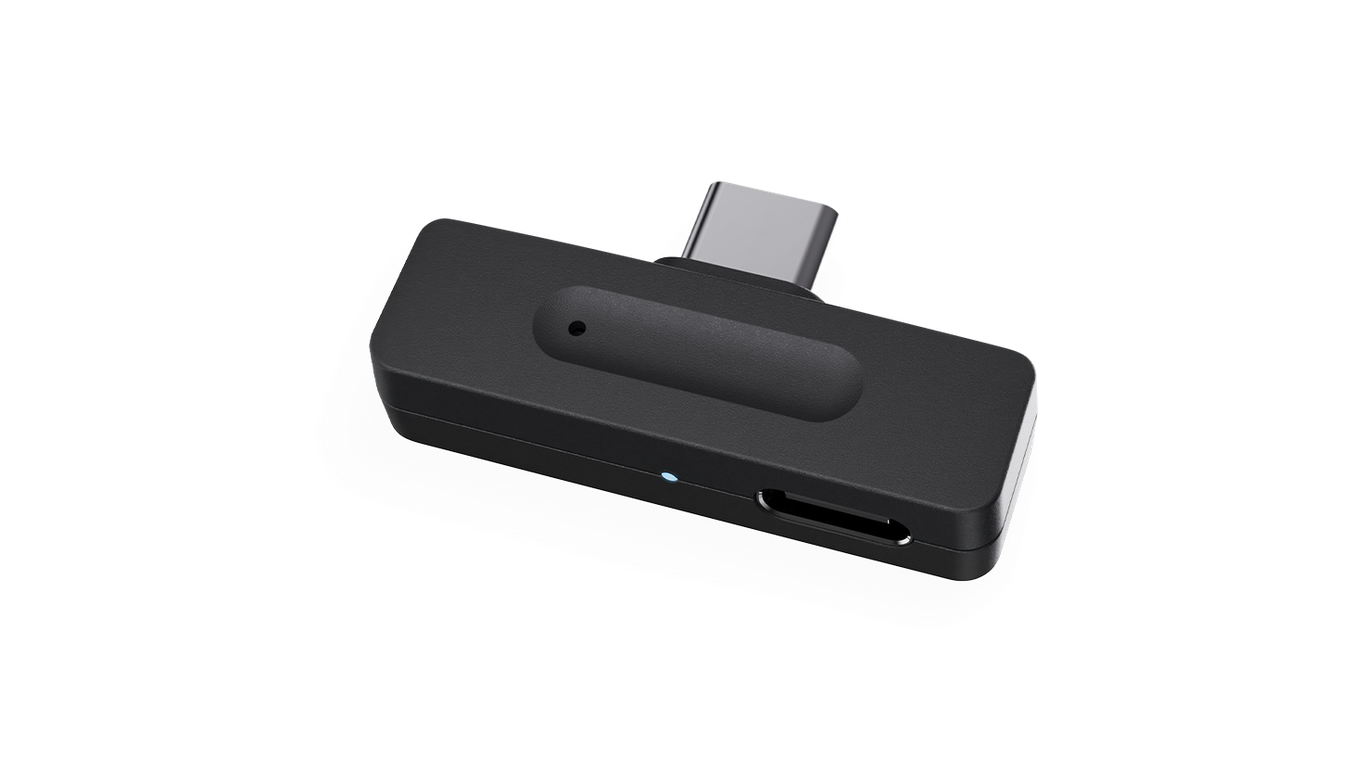
Optional StarLink accessories include a TV streamer, , table microphone, remote control, and an LE Audio adapter for compatible USB-C devices. These can extend connectivity or bring a speaker’s voice closer to the hearing aids when distance and noise make listening difficult.
As Auracast becomes more common, we expect many more compatible third-party audio devices that will also serve as accessories.
My Starkey App and Wellness Features
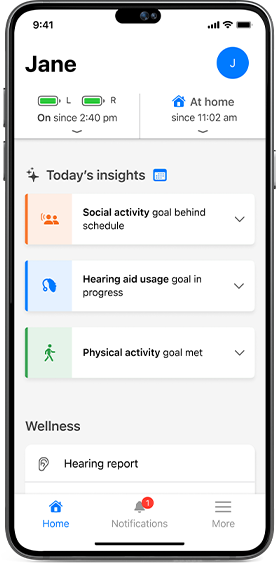
For compatible wireless models, the My Starkey app provides volume and program controls, Edge Mode access, and tools for finding misplaced hearing aids. Its Smart Assistant uses generative AI for conversational help and voice-controlled tasks, while TeleHear supports remote care and TeleHear AI offers assistance with sound concerns.
:format(webp))
Omega + also carries forward several convenience and personalization tools from earlier Starkey generations. Depending on the technology level and style, these include language translation, transcription, Push-to-talk voice messaging, reminders, and Self Check for checking hearing aid performance. Multiflex Tinnitus Pro lets hearing care professionals customize sound therapy for tinnitus management, while TeleHear supports remote fitting and follow-up adjustments.
Hearing Aids Left Behind and Sleep Tracking
Omega AI+ adds two features to Starkey’s assistance and wellness ecosystem. Hearing Aids Left Behind sends a phone notification when a wearer leaves their hearing aids behind, while Sleep Quality Tracking gives users of supported models nightly sleep scores, estimates of awake, light, and deep sleep, and information about side or back sleeping position. These additions build on Starkey’s existing tools for step tracking, physical activity, social engagement, and respiratory rate, as well as fall detection and alerts, balance assessment, and balance exercises. Users access these features through the My Starkey app, with availability varying by model, technology level, and location.
The new Sleep Tracking feature requires wearing the hearing aids while sleeping. It may appeal particularly to people who already choose overnight wearing. Comfort and a practical charging routine remain important, and this makes the longer battery life and quick-charge capability of Omega + even more important. The feature provides wellness information and should not be presented as a diagnosis of a sleep disorder.
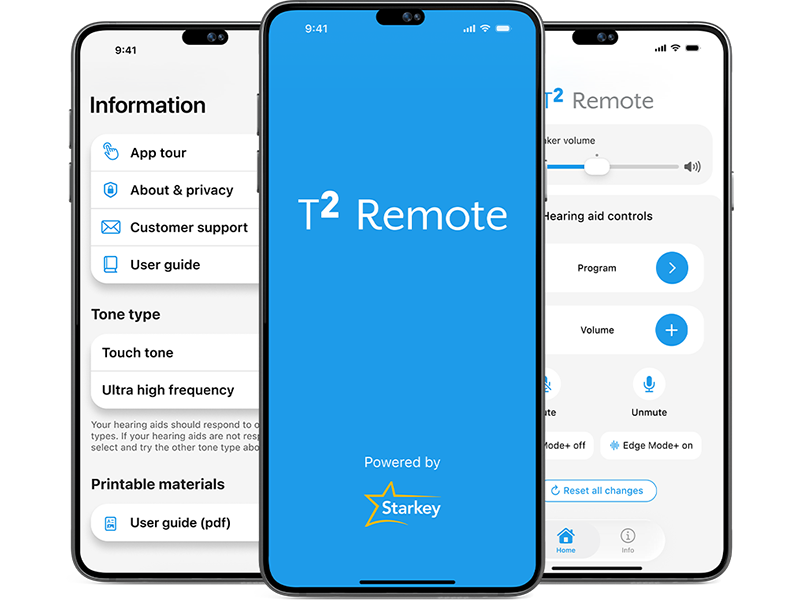
The smallest non-wireless customs use T2 Remote controls rather than the full wireless app ecosystem. Starkey has updated this system with ultra-high-frequency control tones for more discreet adjustments.
:format(webp))
How Much Does Starkey Omega AI+ Cost?
As Starkey Omega +, is brand new, we do not have an firm pricing data to share. We would expect the top tech-tier (level 24) mRIC styles to be priced between $5,000 to $7,000 per pair. Pricing will depend on technology level, style, provider, and the care included. Compare quotes for the same model and tier, and check whether the price covers one hearing aid or a pair, the charger, fitting, follow-up adjustments, warranty, and trial period. In many cases, out-of-pocket costs can be reduced substantially with health insurance, and financing is also an option in many practices and clinics.
We’ll add current HearingTracker partner pricing as confirmed data become available.
HearAdvisor Lab Results: Coming Soon
Omega AI+ does not yet have a published HearAdvisor SoundGrade or HearingTracker review score on this page. As noted above, results and scores for the earlier Omega AI should not be interpreted as test results for Omega AI+.
We will update this page with Dr. Steve Taddei’s independent HearAdvisor results and hands-on analysis when available, including sound-performance measurements and practical observations about wearing and using Omega +.
Until then, use this overview to identify features that matter to you and discuss a professionally fitted trial with your hearing care provider.
Karl Strom
Editor in ChiefKarl Strom is the editor-in-chief of HearingTracker. He was a founding editor of The Hearing Review and has covered the hearing aid industry for over 30 years.
Abram Bailey, AuD
Founder and PresidentDr. Bailey is a leading expert on consumer technology in the audiology industry. He is a staunch advocate for patient-centered hearing care and audiological best practices, and welcomes any technological innovation that improves access to quality hearing outcomes. Dr. Bailey holds an Au.D. from Vanderbilt University Medical Center.