Can Custom Earmolds Help You Hear Better with Hearing Aids?
The tip on your hearing aid can significantly affect how well you hear speech, how well you manage feedback, and how well you enjoy streamed audio. Here’s why a custom-fit earmold, crafted specifically for the unique contours of your ear, might help.
Featured Products
Compare allHearing aid glossary
Looking that up…
Terms are matched automatically. A definition may not fit every context.
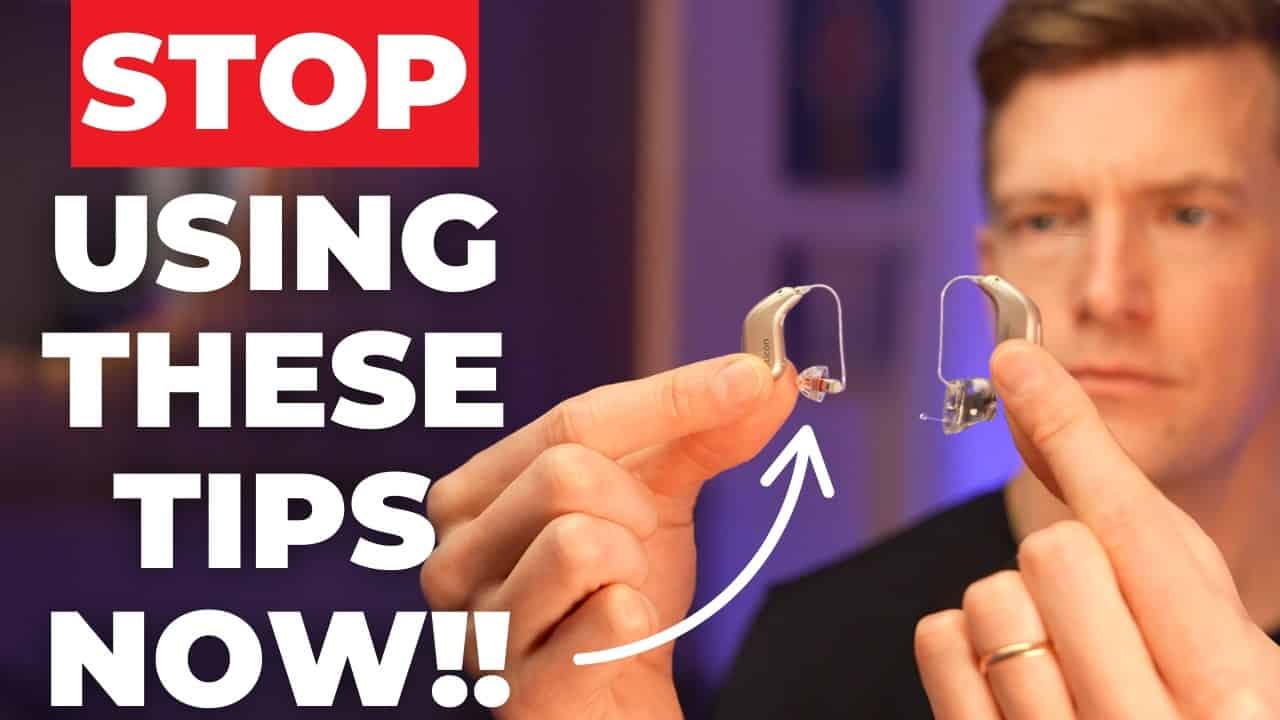
The small piece that sits inside your ear can have a surprisingly large effect on how well your hearing aids work. Many hearing aids come with ready-made rubber instant-fit tips called domes. They’re convenient and work well for many people. However, if you struggle to hear in restaurants, experience whistling, or find that streamed music sounds thin, it may be worth asking whether a custom earmold might give you a better result.
I was reminded of this when I visited my grandmother. She has a severe-to-profound hearing loss and was wearing hearing aids fitted with power domes (rubber eartips designed to create a tighter seal in the ear canal). She told me she wasn’t hearing well and that her hearing aids whistled constantly. In my opinion, those domes weren’t giving her the fit she needed. She now wears a custom mold in each ear, and she says she has never heard better.


That experience prompted me to make the video above in which I describe why I think more hearing aid users should know about them—and why they aren’t the right choice for everyone.
What is a custom earmold?
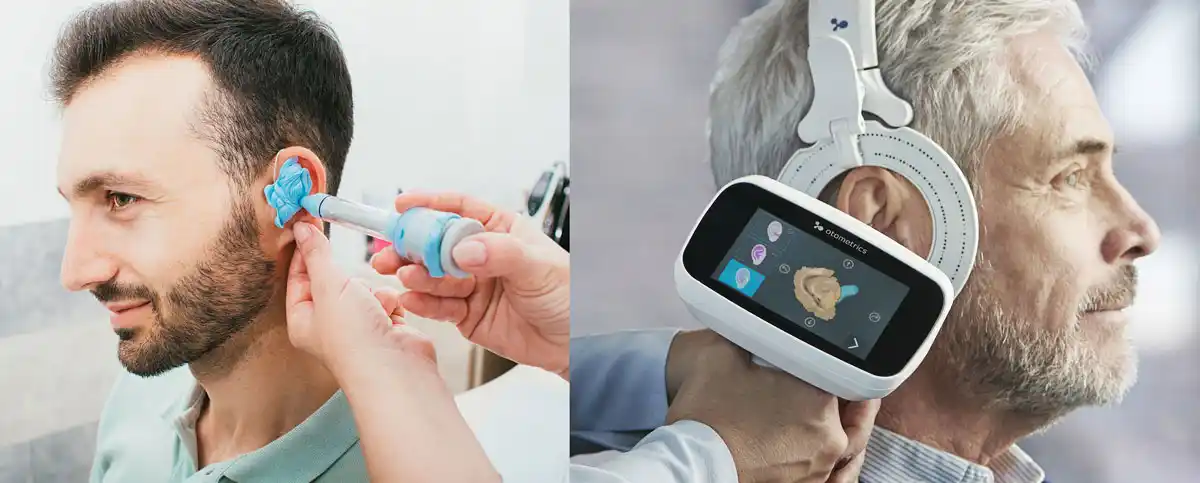
A custom earmold, sometimes called a custom tip, is made to fit the unique shape of your ear and ear canal. Your hearing care professional takes a three-dimensional scan or silicone impression of your ear, then uses it to make the earmold.
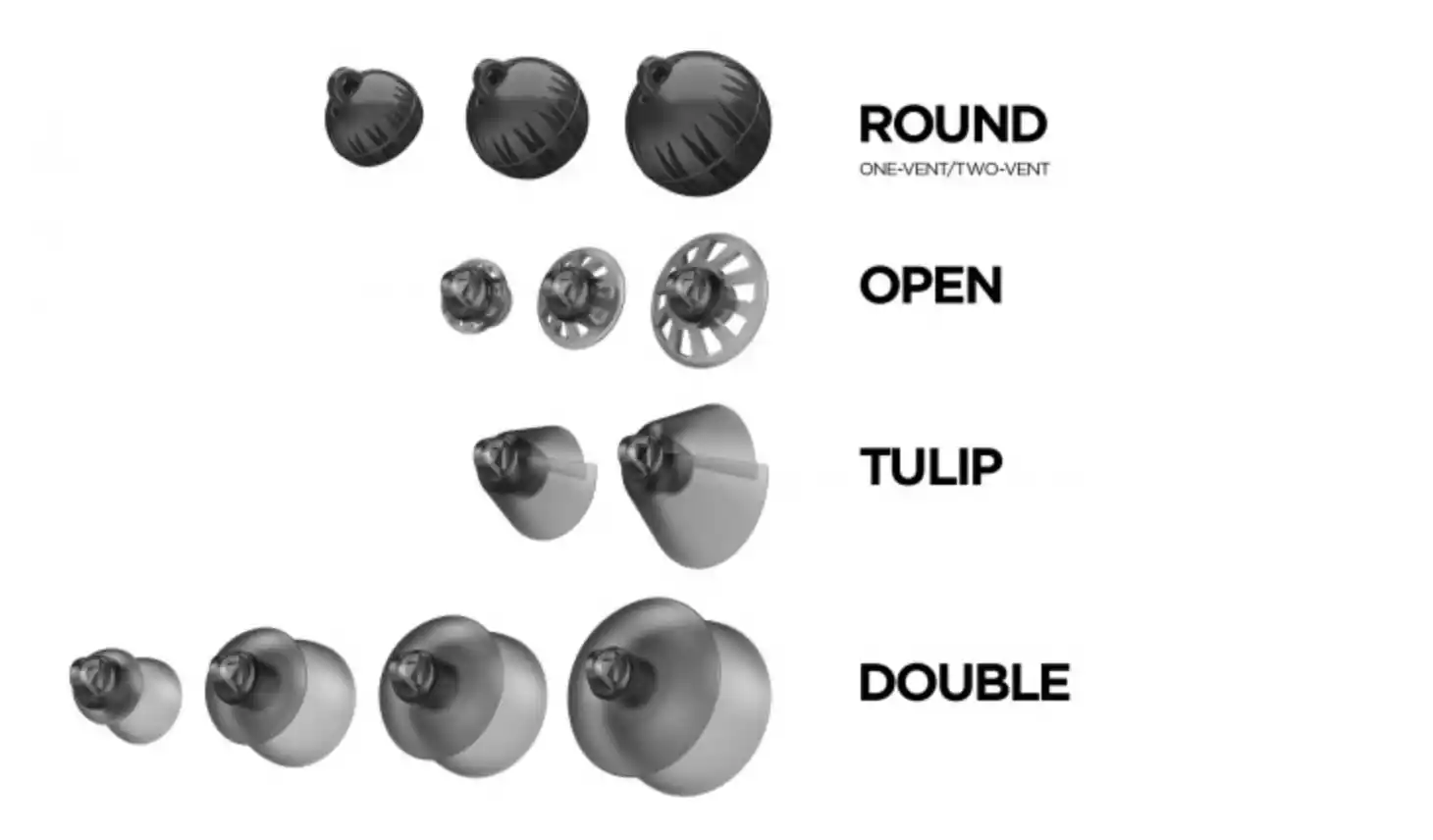
A dome, by comparison, usually comes in standard shapes and sizes, ranging from small to large and open/vented to closed.
The most important difference isn’t simply that a custom mold fits more snugly; it’s that its shape and seal can change how sound enters and leaves your ear. That affects how much amplification your hearing aid can deliver, how it handles feedback, and how much unprocessed sound from your surroundings reaches your eardrum.
Five potential benefits of custom earmolds
Here’s why custom-made earmolds are often the better pick compared to instant-fit domes:
1) A comfortable, secure fit
Because a custom earmold is shaped to your ear, it can feel more secure—and, for some people, more comfortable—than a standard dome. That’s important when you wear hearing aids all day, although comfort isn’t my main reason for recommending a custom fit.
Any new earmold or dome may take a little getting used to. But if it causes soreness or persistent discomfort, tell your hearing care professional. You shouldn’t have to put up with painful hearing aids. Even small adjustments to a custom earmold often make a big difference in how it feels.
2) Fuller sound and more usable amplification
Sound can escape through or around a dome, particularly in the low frequencies. A better seal can help retain those bass sounds, giving speech and other audio a fuller quality.
The choice of a dome versus a custom earmold can make a big difference in the sound that reaches your eardrum. In a study that involved five styles of ready-made domes and ear tips, researchers found that low-frequency sound leakage varied considerably—even among people wearing the same style of tip—and noted that custom earmolds may help when this leakage prevents the hearing aid from delivering the prescribed amplification.
A loose fit can also contribute to feedback—that familiar whistling sound. To control it, a hearing aid may need to limit amplification at the frequencies where you need it. A well-fitted custom mold gives your hearing care provider more room to deliver the prescribed sound without whistling.
3) Better access to hearing aid processing in noise
Hearing in noise is the number-one priority on many hearing aid users’ wish lists. Places like restaurants and social gatherings are among the places where hearing aid users most want help. Yet with an open-fitting (vented) dome, much of the surrounding sound can travel directly into the ear without passing through the hearing aid’s microphones and processing.

A more closed fitting can reduce the amount of unprocessed sound entering the ear. Depending on your hearing loss and hearing aid settings, that may make it easier to benefit from the device’s speech and noise processing. This is one reason I’m particularly keen to discuss custom molds with patients who say their hearing aids seem fine in quiet but let them down in background noise.
A custom earmold isn't a guarantee to make a noisy restaurant quiet, and a tighter seal alone doesn’t guarantee better speech understanding; the point is to give the hearing aid an appropriate fit for the work you’re asking it to do.
4) More precise control over venting
A custom earmold doesn’t have to block the ear completely. It can be made with a vent: a small opening that allows a controlled amount of sound and air to pass through. Your hearing care professional can select an appropriate vent size to balance amplification with the natural sound entering your ear.
That choice can also help manage occlusion, the sensation that your own voice sounds boomy or hollow when your ear canal is blocked. Getting the balance right is part of the fitting process, and it depends on your hearing test results and your experience wearing the aids.
5) Richer streaming and clearer calls
If you stream music or podcasts through your hearing aids, an open or loose fitting dome may let much of the bass escape. A custom mold with an appropriate seal can make streamed audio sound fuller.
It may also help with phone calls streamed through the hearing aids. By reducing some of the surrounding sound entering your ears, the fitting can make the caller easier to focus on—particularly when you’re in a noisy place.
When might a dome be the better choice?
Custom molds aren’t automatically best for every hearing loss, and there are real trade-offs when it comes to an open/vented versus a closed earmold. If you hear low-pitched sounds well but need help with higher-pitched sounds—which is common with age-related hearing loss—an open fitting may let you hear the low frequencies naturally while the hearing aid amplifies the high frequencies you’re missing.
Some people also dislike the initial feel or sound of a more closed fitting. Those concerns deserve attention: the mold, its venting, and the hearing aid settings may need adjustment. An open dome may ultimately be the better option for you.
There are practical considerations, too. A dome can often be fitted immediately, while a custom mold takes time to make. The cost of a custom earmold depends on the clinic; my clinic doesn’t charge patients extra for a mold when it’s needed, but it’s not uncommon for clinics to charge for the extra time and materials.
What should you ask your hearing care provider?
If you’re disappointed with your hearing aids, don’t assume you need a different or more expensive pair. Ask your hearing care professional if they think you might benefit from a different earmold. You might say:
“Would a custom earmold help me get more benefit from these hearing aids, especially in background noise? How would you decide on the right amount of venting for my hearing loss?”
Describe situations where you encounter whistling, poor sound quality, thin-sounding streamed music, or difficulty hearing calls. Those details can help your hearing care provider assess whether the current fitting is limiting your results.
The dome or earmold may look like a minor component, but it plays a major role in delivering sound to your ear. If your hearing aids aren’t performing as you hoped, it’s well worth making the option of a custom-fit earmold part of the conversation.
Matthew Allsop
AudiologistMatthew Allsop is the Video Content Manager at HearingTracker. He has nearly two decades' experience in audiology, and has practiced in both the NHS and the private sector. He is accepting new patients at Harley Street Hearing in London.