Audicus Omni 3 Hearing Aids: Features, Price, and a First Look
The Unitron clues and what I’d want to know before upgrading from Omni 2.
Our expert team selects and tests products rigorously. We may earn commissions if you buy through our links. Here's how we keep reviews independent.
Hearing aid glossary
Looking that up…
Terms are matched automatically. A definition may not fit every context.
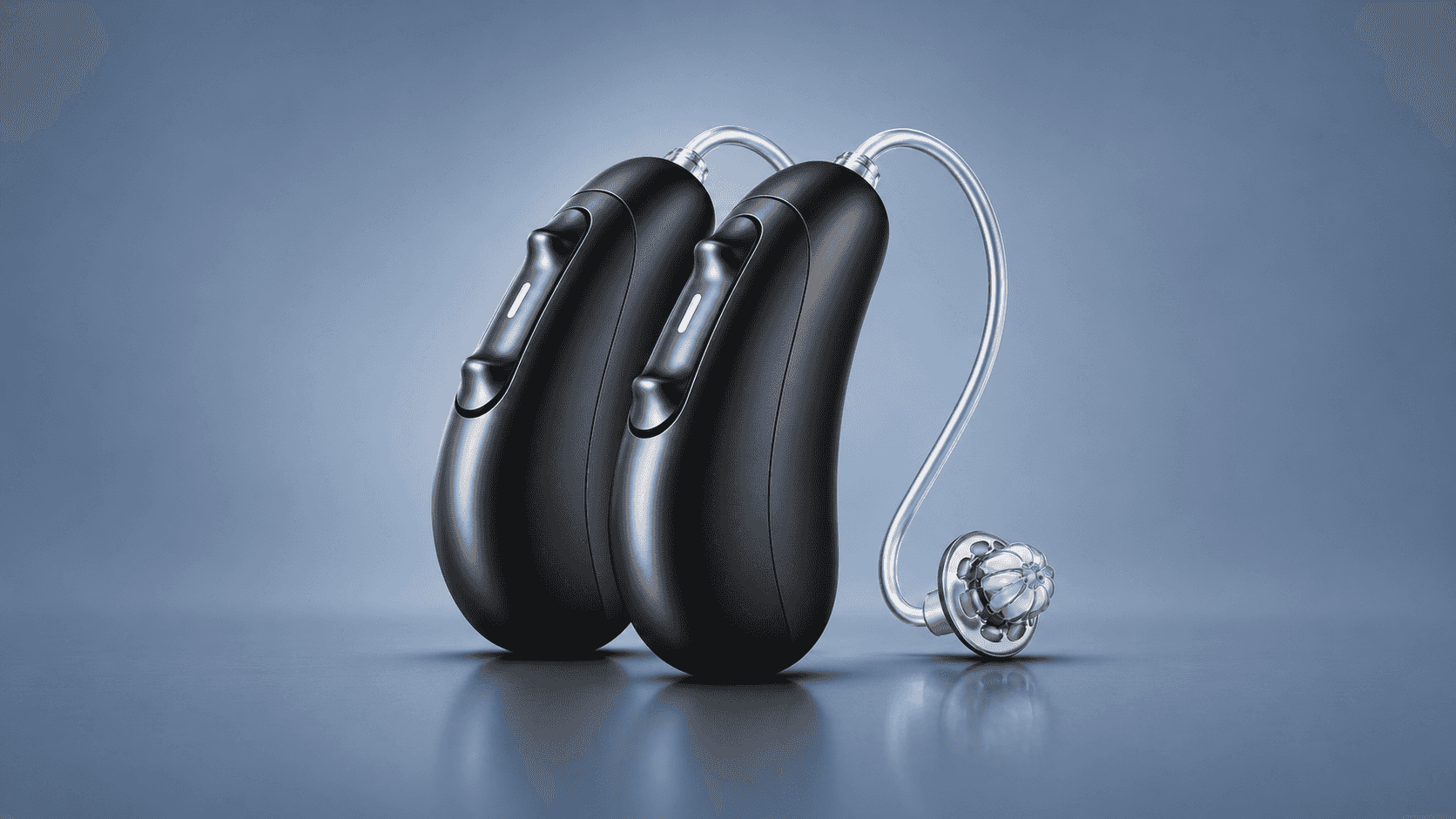
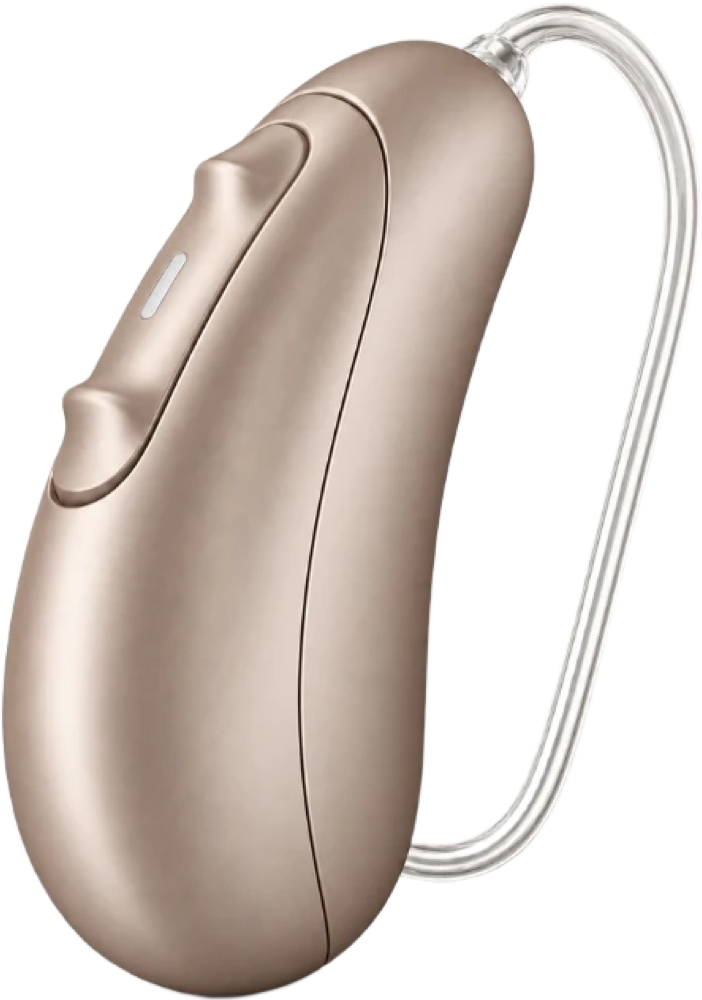
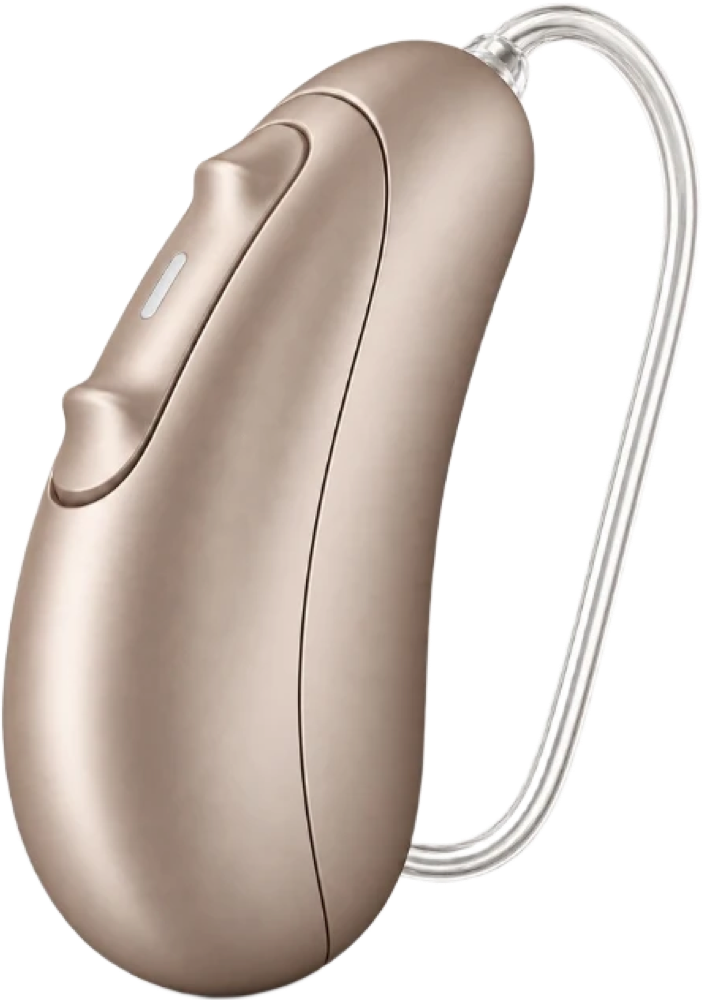
The Audicus Omni 3 is an over-the-counter hearing aid for adults with mild to moderate hearing loss. Each aid sits behind the ear, with a thin wire leading to a small speaker in the ear canal. Audicus programs the aids based on your hearing test and can make follow-up adjustments remotely. Before discounts, the rechargeable version is $1,998 a pair.
Compared with the Omni 2, the Omni 3 has a smaller charger and a new way to find a misplaced hearing aid. There's also a new listening program designed to help you hear the person across from you at a noisy table. Stay tuned for our full acoustic lab testing and hands-on review.
Compare prices & care
Compare sellers and the care included. Prices are per pair.

Great for Telehealth
- Direct-to-Consumer Model
- Online Hearing Test and Remote Fittings
- Advanced Technology and Custom Programming
- Flexible Payment Options and Subscriptions
Never miss a price drop
Get notified when prices drop for this product
About our testing. HearAdvisor will test the Omni 3. I founded HearingTracker and co-founded HearAdvisor. The two companies are separate and share personnel. This first look is based on the product documents and forum accounts about earlier Audicus models.
Why I think Omni 3 is based on Unitron Vivante
I started with KWC-MRP, the radio certification number in the Audicus manual. The Moxi V-R manual has the same number. The specs for both speaker strengths Audicus lists also line up, right down to how loud they can go and how high in frequency they reach.


There’s a clue in the software, too. Audicus calls its setting for following someone across a noisy table HyperFocus, a name Unitron uses for the same job. Both companies call the feature that tries to preserve directional cues from the outer ear Pinna Effect 2. The Vivante feature chart lists six listening environments and 20 fine-tuning channels at V7, which matches Audicus’s counts. It lists a dedicated car speech program at V9. Audicus offers one too, so I’d leave the exact tier an open question.
What the manufacturer specs show
Rechargeable model | Peak output (dB SPL) | Maximum amplification (dB) | Upper frequency limit |
|---|---|---|---|
111 / 114 | 47 / 51 | 8 kHz | |
111 / 114 | 47 / 51 | 8 kHz | |
112 / 114 | 47 / 51 | 10 kHz |

I’d put more weight on those clues together than on the number in the manual. The Phonak Audéo Paradise P-R carries KWC-MRP too, and I wrote about its two active Bluetooth connections and tap controls back in my 2020 Paradise first impressions. Unitron’s newer Smile Moxi S-R has a different radio ID and a wider published frequency range. You’ll also find the wax-resistant EasyGuard tips on Phonak’s Infinio Ultra. Phonak’s current EON line has its own ERA connectivity chip. Vivante is the comparison I’d start with. The exact hardware and software are still open questions.
Omni 3 features
The magnetic charger is the change I can see being handy every night. You drop the aids into the case and the magnets help seat them on the contacts. Audicus says they take about three hours to charge, with up to 24 hours of use or around 16 if you stream a lot. You can also power the USB-C case with an external battery pack. Like the Omni 2, the aids themselves are 28.4 mm (1.12 in) tall and rated IP68 for dust and water resistance, which is among the best you can get for hearing aids.
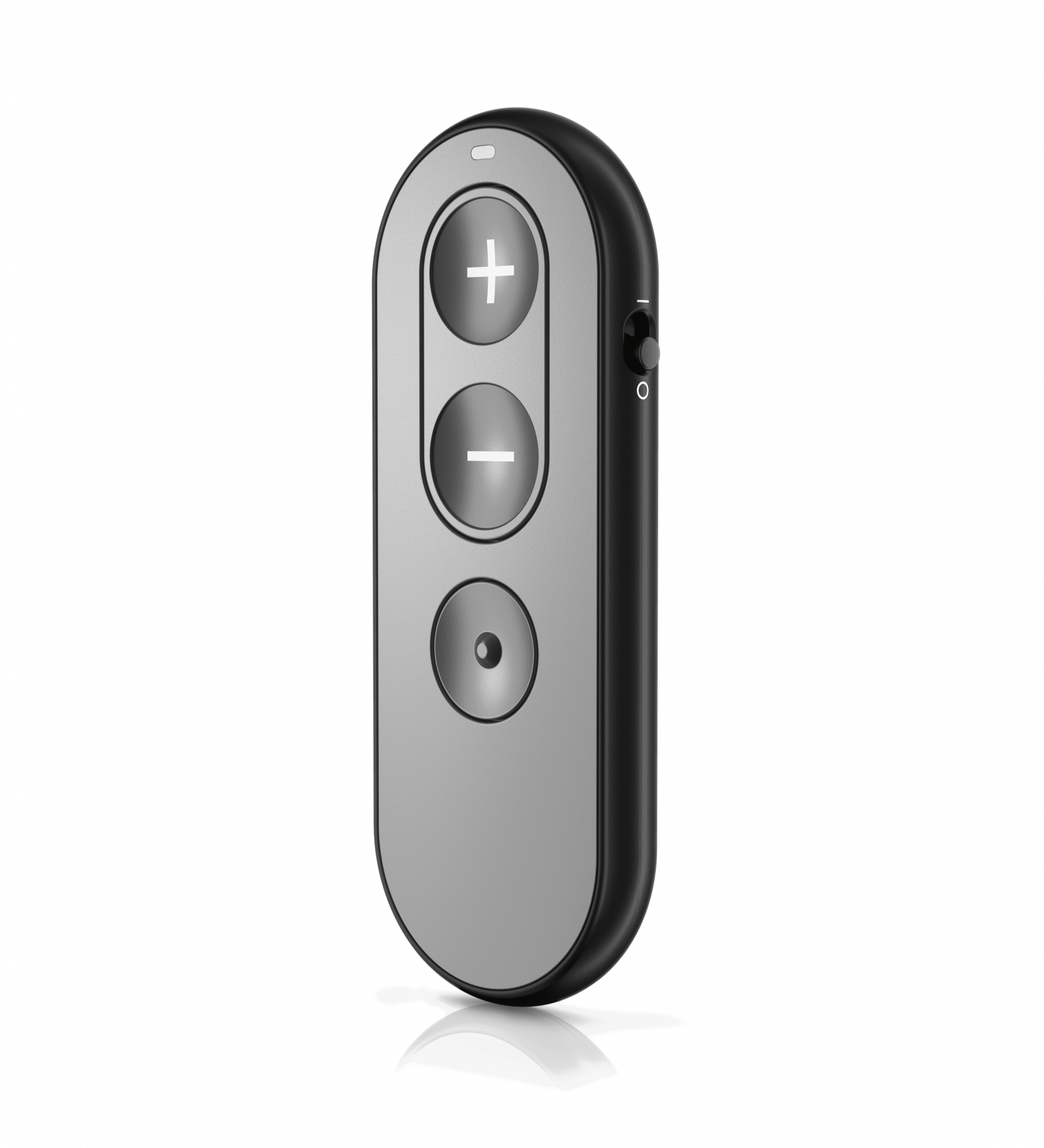
The EasyGuard ear tips have a membrane that keeps wax away from the speaker, with a replaceable underneath. I can also see the appeal of the finder in the Hearing Remote app if an aid goes missing somewhere in the house. It shows where the aids last connected and gives you a Bluetooth signal to follow when you’re close. The same app has an equalizer. The aids can remember eight Bluetooth devices and stay connected to two, and you can double-tap to answer a call or pause a stream.
Are you using a at church, the theater, or for your landline? Audicus says the Omni 3 drops the telecoil, the part that picks up a hearing loop’s signal.
What owners say about Audicus
A forum member who rented the Omni 2 wrote in March 2024 that they got good help by phone and email. That was their experience on Audicus’s rental plan at the time. In March 2026, a longtime Spirit wearer said their aids had served them fairly well, but they still had trouble making out voices at a table of four or five. That’s the sort of detail I’d bring up in a follow-up appointment. It tells the person doing the adjustments where you’re struggling.
What you get for $1,998
Audicus starts at $1,898 a pair for the replaceable-battery version, then adds $50 per ear for rechargeables. These are over-the-counter hearing aids, a category intended for adults with perceived mild to moderate hearing loss. Audicus programs them to your hearing test and includes lifetime audiology support, a two-year warranty, and a 100-day trial. If you return them, you’ll need to ask for authorization, mail them within that window, and pay for return shipping.


One thing I learned fitting hearing aids in clinic is how much of the work happens after you pick the device. At this price, I’d compare the care you get along with the aids. Remote help can save you a trip when a setting needs changing. If an earpiece hurts or slips out, it can be easier to show someone in person.
If your Omni 2 is doing its job, I’d wait for the speech-in-noise results before spending another $1,998. A smaller charger and easier wax cleanup are welcome. What I want to know is whether the new program makes it easier to follow the person across the table.
Abram Bailey, AuD
Founder and PresidentDr. Bailey is a leading expert on consumer technology in the audiology industry. He is a staunch advocate for patient-centered hearing care and audiological best practices, and welcomes any technological innovation that improves access to quality hearing outcomes. Dr. Bailey holds an Au.D. from Vanderbilt University Medical Center.