How AirPods Pro 3 Perform as Hearing Aids Compared to Other OTC Devices
Can a $249 pair of AirPods Pro 3 really compete with OTC hearing aids that cost hundreds more?Hearing aid glossary
Looking that up…
Terms are matched automatically. A definition may not fit every context.
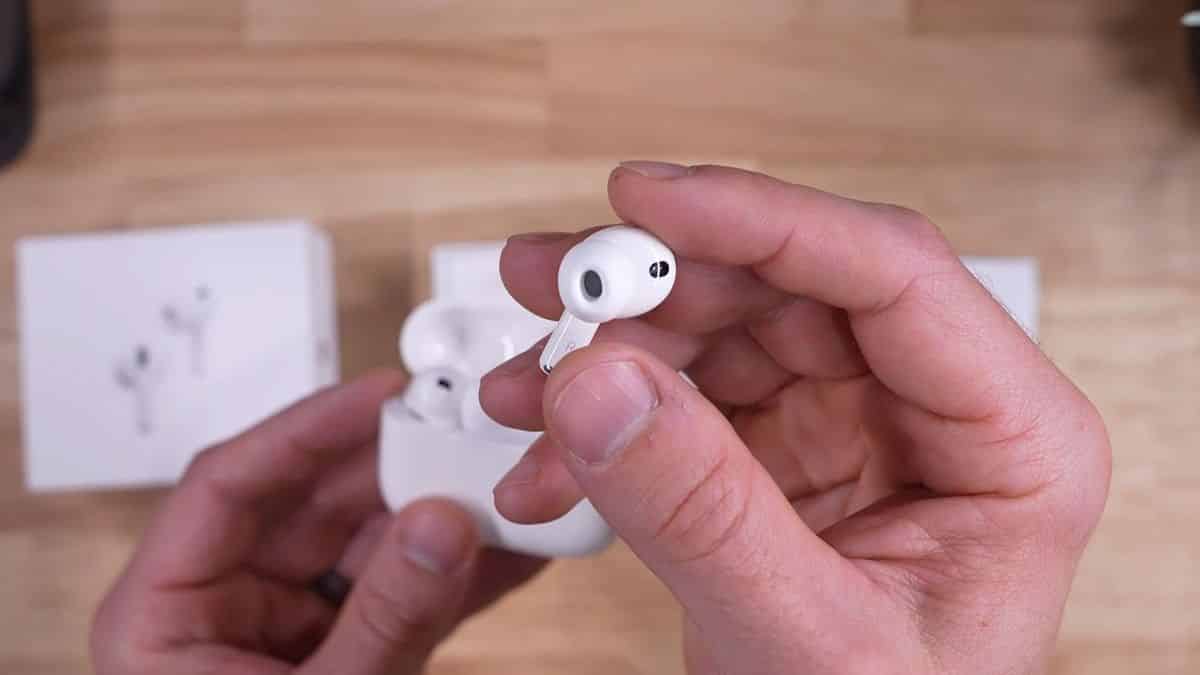
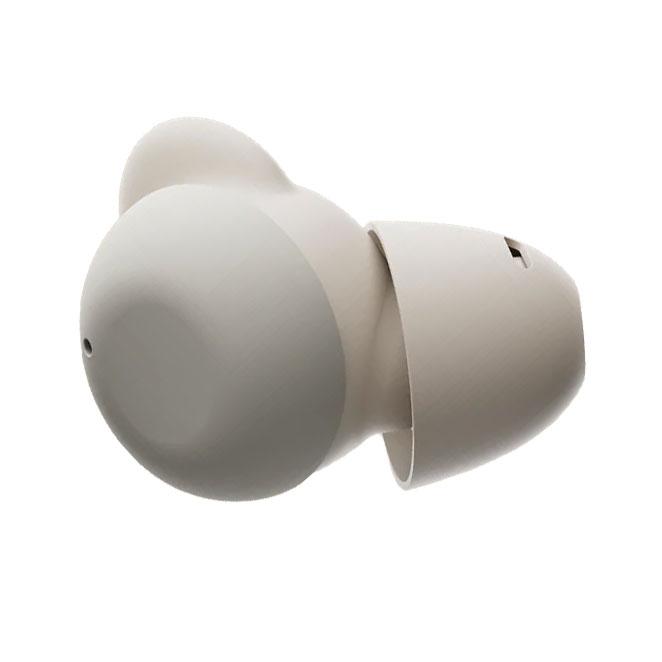
Apple’s AirPods Pro 3 offer an -authorized Hearing Aid feature for adults with perceived mild-to-moderate hearing loss. But while they can amplify sound, how well do they actually help you understand conversations?
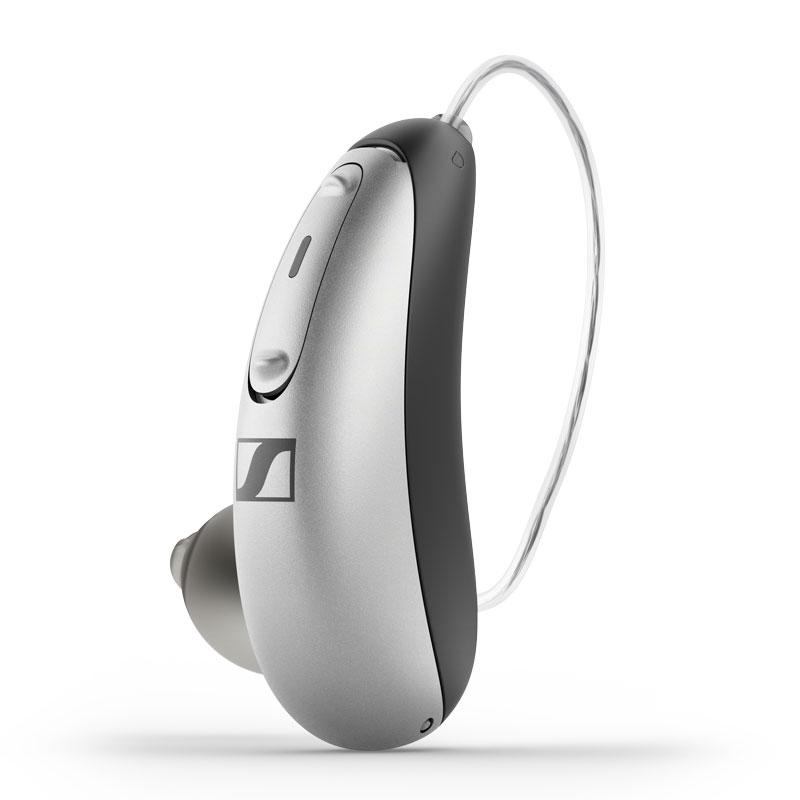
We put AirPods Pro 3 to the test, and compared how their performance stacks up against top OTC hearing aids from manufacturers like Yeasound and Sennheiser. We examined everything from speech understanding and sound quality to battery life, comfort, connectivity, and overall value.


Find out where the AirPods Pro 3 hold their own, where dedicated hearing aids have the advantage, and whether the price difference is worth it.
How do AirPods Pro 3 compare to other OTC hearing aids?
AirPods Pro 3 deliver impressive audio technology for $249, but our laboratory testing shows that dedicated hearing aids generally have the advantage when it comes to hearing performance.
When compared to nine of the best-rated OTC hearing aids (see table below), they tied for the highest scores in music streaming and feedback handling, yet ranked close to last for speech understanding and tied for last in battery runtime, lasting up to 10 hours per charge (i.e., the same as Cearvol Wave and JLab Hear).
The takeaway? AirPods Pro 3 excel at delivering sound directly to your ears and are relatively inexpensive, but that doesn’t necessarily translate into helping you understand conversations.
AirPods Pro 3 at a Glance
AirPods Pro 3 compared with every dedicated OTC hearing aid in this article, ranked by SoundScore. Scores are out of 5.
Table of ten devices across price, SoundScore, speech in quiet, speech in noise, music streaming, feedback handling, comfort, battery runtime, and professional support. AirPods Pro 3 lead on music streaming and feedback handling but trail every dedicated hearing aid on SoundScore and speech.
Scroll sideways to see all scores.
| Device | Price | SoundScore | Speech in quiet | Speech in noise | Music streaming | Feedback handling | Comfort | Battery runtime | Pro support |
|---|---|---|---|---|---|---|---|---|---|
| AirPods Pro 3 | $249 | 3.31 | 1.6 | 1.5 | 4.3 | 5.0 | 4.0 | 10 hrs | 1.0 |
| Yeasound RIC800 | $549 | 4.73 | 4.4 | 2.4 | 4.3 | 5.0 | 5.0 | 31 hrs | 1.0 |
| Audicus Omni 2 | $1,698 | 4.59 | 4.1 | 2.3 | 3.8 | 4.5 | 5.0 | 16 hrs | 3.0 |
| Sennheiser All-Day Clear | $899 | 4.42 | 4.1 | 1.9 | 3.3 | 5.0 | 5.0 | 24 hrs | 5.0 |
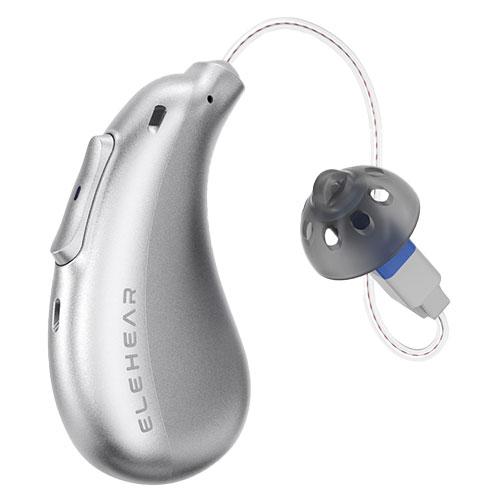
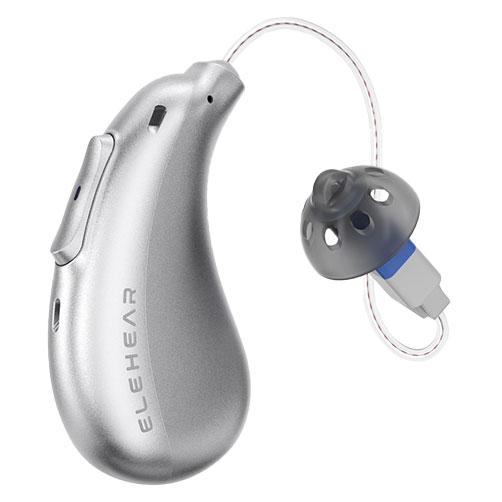
| Elehear Beyond | $399 | 4.34 | 3.9 | 2.2 | 3.8 | 4.5 | 4.0 | 18 hrs | 3.0 |
| Elehear Delight | $299 | 4.28 | 4.0 | 1.8 | 3.1 | 4.2 | 4.0 | 13.5 hrs | 3.0 |
| Elehear Beyond Pro | $599 | 4.20 | 3.3 | 2.5 | 3.8 | 5.0 | 4.0 | 20 hrs | 3.0 |
| Cearvol Wave | $397 | 3.92 | 3.1 | 2.0 | 4.1 | 3.8 | 4.5 | 10 hrs | 3.0 |
| Jabra Enhance Select 50R | $1,195 | 3.73 | 2.9 | 1.0 | 2.5 | 5.0 | 5.0 | 30 hrs | 3.0 |
| JLab Hear OTC | $100 | 3.54 | 2.1 | 1.0 | 4.6 | 5.0 | 4.5 | 10 hrs | 1.0 |
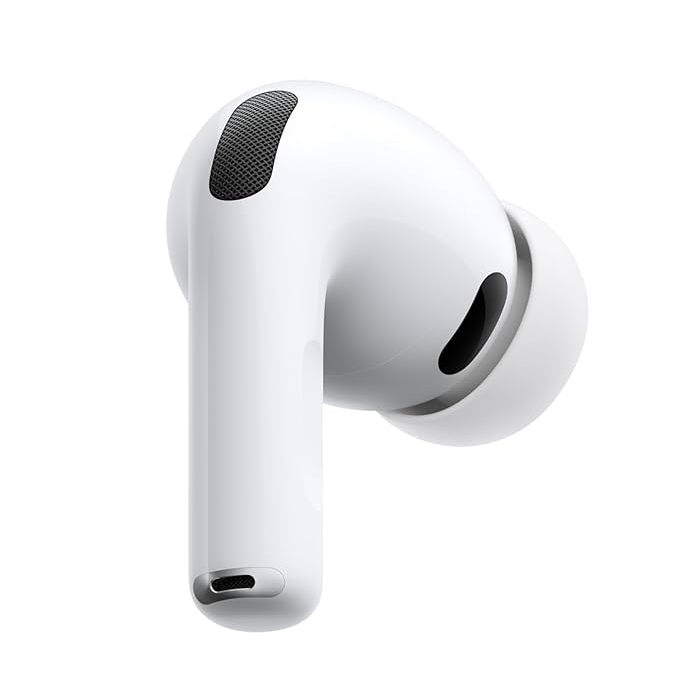
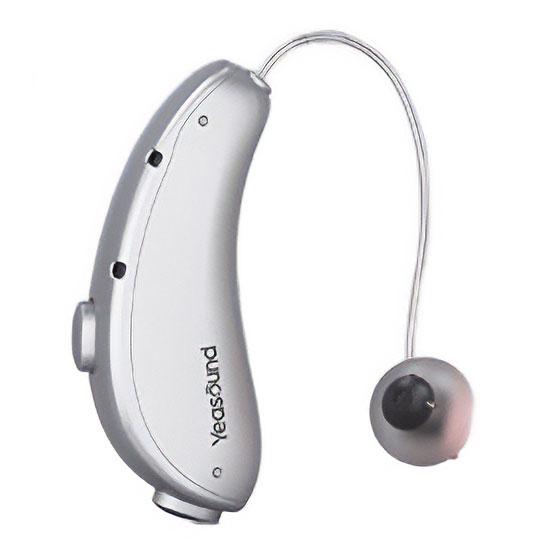
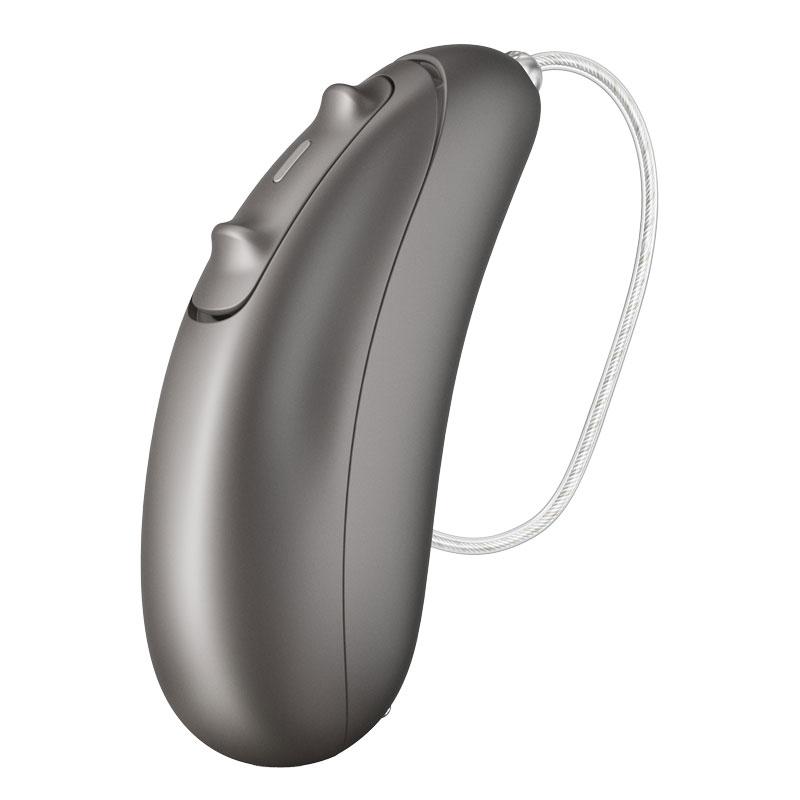
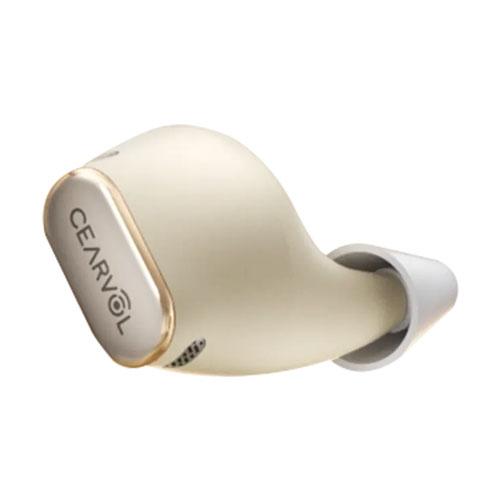
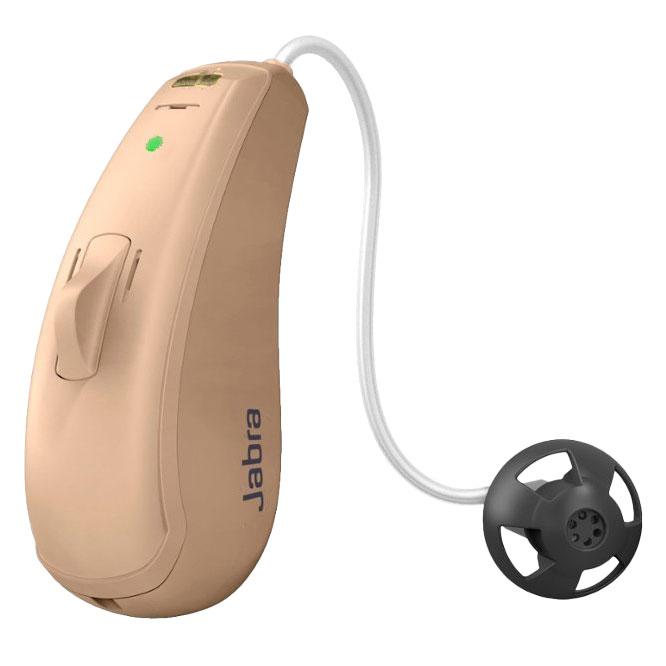
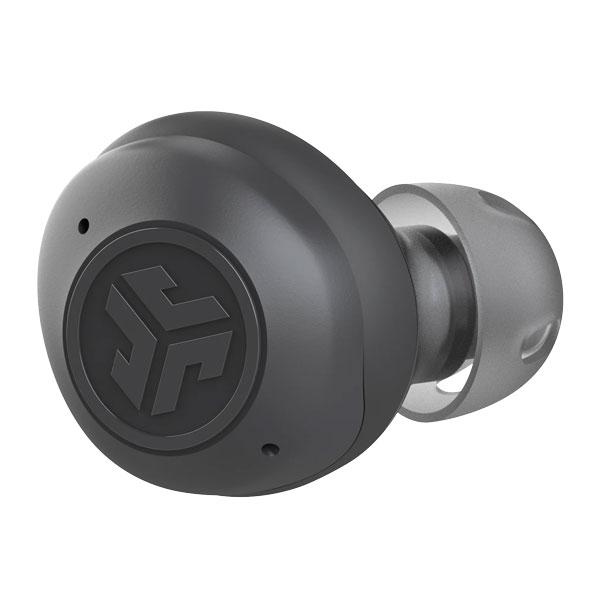
Speech, music, and feedback scores are averages of HearAdvisor's Initial Fit and Tuned Fit results. Battery runtime is the manufacturer-reported maximum. Prices are per pair, as of October 2026; Yeasound RIC800 is shown at its ongoing sale price.
Source: HearAdvisor lab testing and HearingTracker ratings, October 2026.

Below, we break down the results to show where AirPods Pro 3 excel, where dedicated hearing aids have the advantage, and what those differences mean for everyday use. But before we dive in, let’s address some important questions, so the results become easier to understand.
Are AirPods Pro 3 really hearing aids?
Yes, AirPods Pro 3 are considered hearing aids, but technically, it’s Apple’s software that’s classified as a medical device, not the earbuds themselves.
In September 2024, the authorized Apple’s Hearing Aid feature, making it the first OTC hearing aid software of its kind. Initially introduced for AirPods Pro 2, the feature is also available on AirPods Pro 3.
Unlike traditional OTC hearing aids, which are manufactured specifically as medical devices, AirPods Pro 2 and 3 are consumer earbuds that can function as hearing aids using Apple’s authorized software.
What hearing assistance features do AirPods Pro 3 offer?
AirPods Pro 3 combine several hearing-health features with the capabilities of premium wireless earbuds, offering an alternative to traditional hearing aids for adults with perceived mild-to-moderate hearing loss.
Their key features include:
- Personalized hearing amplification: Apple’s -authorized Hearing Aid feature adjusts environmental sounds based on an individual’s hearing profile.
- Built-in hearing test: Users can assess their hearing at home or import an existing to personalize their settings.
- Adjustable hearing settings: Amplification, tone, balance, and ambient noise reduction can be adjusted to suit different listening needs.
- Media Assist: Applies personalized hearing adjustments to streamed music, videos, and calls.
- Active noise cancellation and hearing protection: Additional features help users manage unwanted environmental noise and reduce exposure to loud sounds.
These features overlap with those offered by self-fitting OTC hearing aids; however, many OTC devices may offer longer battery life, specialized speech-processing technology, and professional hearing support.
Hearing Features Compared
What AirPods Pro 3 offer compared with dedicated OTC hearing aids
Table comparing ten hearing features of AirPods Pro 3 with dedicated OTC hearing aids as a category: amplification, at-home testing, adjustments, speech enhancement, streaming, noise cancellation, hearing protection, professional care, platforms, and battery life.
| Feature | AirPods Pro 3 | Dedicated OTC hearing aids |
|---|---|---|
| Personalized hearing amplification | Yes, through FDA-authorized software | Yes, through self-fitting or preset amplification |
| At-home hearing test | Built into Apple's hearing-health features | Available with some devices or apps |
| Hearing adjustments | Amplification, tone, balance, and ambient noise reduction | Varies; some offer frequency-specific adjustments and listening programs |
| Speech enhancement | Conversation Boost | Many offer directional microphones and speech-processing features |
| Music and media streaming | Personalized Media Assist | Available on Bluetooth-enabled models |
| Active noise cancellation | Yes | Uncommon; many use hearing-specific noise reduction instead |
| Hearing protection | Hearing Protection feature reduces loud sounds | Output limits and other protective features vary |
| Professional hearing care | None; Apple offers technical support only | Available through some manufacturers |
| Compatible platforms | iPhone or iPad required for hearing aid setup | iOS and/or Android, depending on model |
| Battery life | Up to 10 hours with the Hearing Aid feature on | 10 to 31 hours among the hearing aids we compared |
Features vary by manufacturer and model. Battery figures are manufacturer-reported maximums. Apple's Hearing Test and Hearing Aid features aren't available in every country or region.


Importantly, the AirPods 3 Pro's hearing performance can vary substantially depending on how they’re configured and tuned, as we explain in the tuning section below.
For a closer look at Apple’s features and setup instructions, see our complete AirPods Pro 3 review.
How does HearAdvisor measure sound performance?
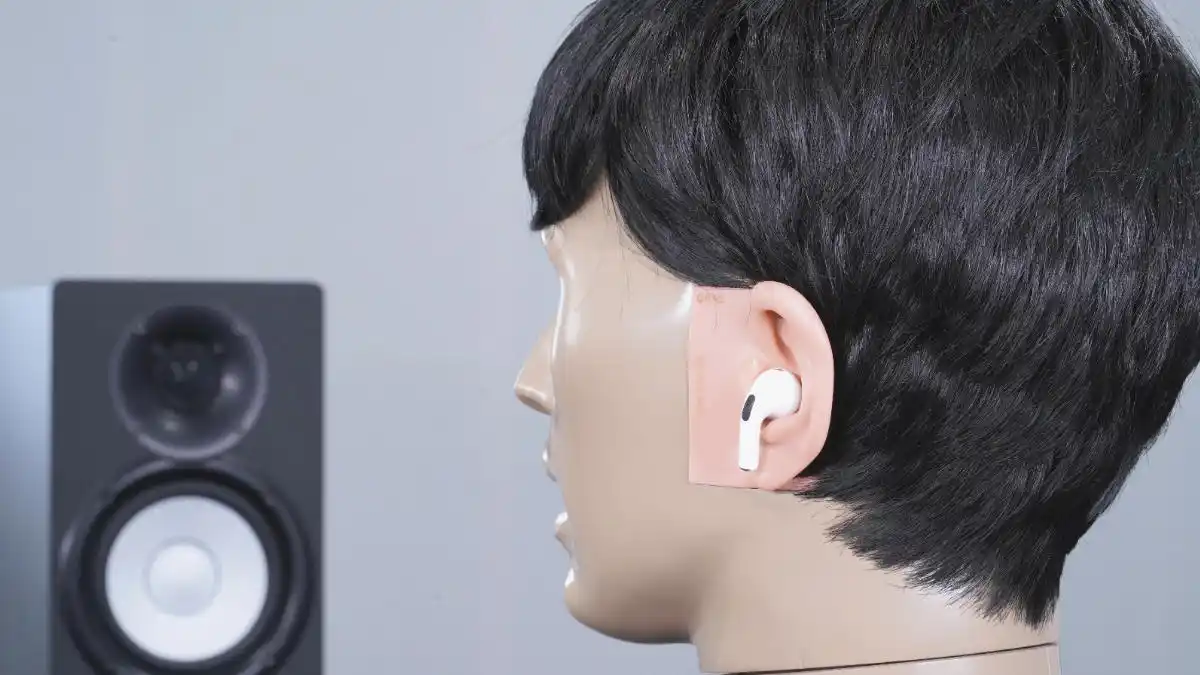
HearAdvisor tests every hearing aid in its acoustic lab on a KEMAR manikin, using recordings of real places such as restaurants and offices. Each device is programmed for the same standardized hearing loss: a moderate, sloping loss typical of age-related hearing loss.
SoundScore: A summary of lab sound performance, scored out of 5, that combines the five metrics below. It reflects sound only, not price, comfort, or features.
- Speech benefit in quiet: How much the device improves speech understanding in quiet and moderately noisy settings, such as a quiet office or a conversation at home. This is the largest part of the SoundScore.
- Speech in noise: How much the device improves speech understanding in loud, complex noise, such as a busy restaurant.
- Feedback handling: How well the device resists whistling or squealing, tested with sound sources held close to the ear.
- Own-voice quality: How natural your own voice is likely to sound while wearing the device. Low scores mean your voice may sound boomy or plugged up.
- Streaming music quality: How faithfully the device reproduces music streamed from a phone or other device.

Initial Fit vs. Tuned Fit: HearAdvisor measures each device twice. The Initial Fit follows the manufacturer’s basic setup process, approximating what most buyers will experience. The Tuned Fit uses professional lab equipment to match the device as closely as possible, including real-ear measurements, to established audiological targets. Most people are unlikely to reach Tuned Fit settings on their own with an device.
Overall Sound Performance: How AirPods Pro 3 Compare
When looking at SoundScore, which accounts for speech understanding in quiet and noisy settings, music streaming quality, feedback handling, and own-voice quality, Apple’s earbuds earned 3.31 out of 5, ranking 25th among the 34 current hearing aids HearAdvisor has tested. That’s below the overall category average of 3.71/5.
The Yeasound RIC800 led the group with a 4.73/5, followed by the Audicus Omni 2 (4.59/5), Sennheiser All-Day Clear (4.42/5), and Elehear Beyond (4.34/5).
Overall Sound Performance
HearAdvisor SoundScore for AirPods Pro 3 and dedicated OTC hearing aids
- SoundScore
- OTC category average (3.71)
Bar chart. AirPods Pro 3 scored 3.31, below the OTC average of 3.71 and every dedicated hearing aid shown, which range from 3.92 to 4.73.
- 4.73
- 4.59
- 4.42
- 4.34
- 4.28
- 3.92
- 3.31
Dashed line: average SoundScore of the 34 current OTC hearing aids HearAdvisor has tested.
View data
| Device | SoundScore | Price |
|---|---|---|
| Yeasound RIC800 | 4.73 | $549 |
| Audicus Omni 2 | 4.59 | $1,698 |
| Sennheiser All-Day Clear | 4.42 | $899 |
| Elehear Beyond | 4.34 | $399 |
| Elehear Delight | 4.28 | $299 |
| Cearvol Wave | 3.92 | $397 |
| AirPods Pro 3 | 3.31 | $249 |
Source: HearAdvisor lab testing and HearingTracker ratings, October 2026.
Speech Understanding With Apple AirPods Pro 3 Fell Short
The largest gap appeared in speech understanding in quiet settings. The AirPods Pro 3 averaged 1.6/5 for speech in quiet across initial and tuned fits, compared with 3.9/5 for our four core devices (not including the Cearvol Wave). Even the AirPods Pro 3's tuned score of 2.3/5 (not shown in the graph below) trailed every dedicated device.


In noisy settings, the gap narrows. The AirPods Pro 3 averaged 1.5/5 for speech in noise, while our core devices ranged from 1.9/5 to 2.4/5. That reflects a category-wide limitation: No current hearing aid in our database scores higher than 2.5/5 for speech in noise, the score of the category leader, the Elehear Beyond Pro.
Speech Understanding
How AirPods Pro 3 compare with dedicated OTC hearing aids in quiet and noisy settings
- Speech in quiet
- Speech in noise
Grouped bar chart. AirPods Pro 3 scored 1.6 for speech in quiet and 1.5 for speech in noise. Dedicated OTC hearing aids scored 3.1 to 4.4 in quiet and 1.9 to 2.5 in noise.
- 4.42.4
- 4.11.9
- 3.92.2
- 3.32.5
- 3.12.0
- 1.61.5
Scores are averages of HearAdvisor's Initial Fit and Tuned Fit results. Devices are ranked by speech in quiet.
No current OTC hearing aid in HearAdvisor's database scores higher than 2.5 for speech in noise.
View data
| Device | Speech in quiet | Speech in noise |
|---|---|---|
| Yeasound RIC800 | 4.4 | 2.4 |
| Sennheiser All-Day Clear | 4.1 | 1.9 |
| Elehear Beyond | 3.9 | 2.2 |
| Elehear Beyond Pro | 3.3 | 2.5 |
| Cearvol Wave | 3.1 | 2.0 |
| AirPods Pro 3 | 1.6 | 1.5 |
Source: HearAdvisor lab testing and HearingTracker ratings, October 2026.
These findings echo many of the experiences shared by AirPods Pro 3 users in our Facebook group consisting of nearly 70,000 members. One member wrote, “I don’t really find the AirPods hearing aid feature to be much use outside of a quiet one on one situation, compared to my actual hearing aids.” Another said, “They don’t approach the [Oticon] Intents* for difficult areas like cafes or shopping centres but work fine for one on one interaction.”
*The Oticon Intent is a prescription hearing aid.
Streaming and Connectivity Is Where Apple AirPods Pro 3 Excel
Without a doubt, AirPods Pro 3 take the cake when it comes to seamless Bluetooth connectivity and streaming music. They earned 4.3/5 for music streaming, tying the Yeasound RIC800 for the highest score among our core devices. Only one current device scored higher: The $100 JLab Hear OTC (4.6/5). Its speech scores show why streaming quality alone doesn’t make a good hearing aid, though: 2.1/5 for speech in quiet and 1.0/5 for speech in noise.

The AirPods Pro 3 also earned a perfect 5.0/5 for feedback handling, which measures how effectively a device prevents unwanted whistling or squealing.
Music Streaming
Streaming quality doesn't predict how well a device helps you understand speech
- Music streaming
- Speech in quiet
Bar chart with markers. JLab Hear OTC scored 4.6 and AirPods Pro 3 scored 4.3 for music streaming, the highest shown, but they scored lowest for speech in quiet at 2.1 and 1.6.
- 4.62.1
- 4.31.6
- 4.34.4
- 4.13.1
- 3.83.9
- 3.34.1
Scores are averages of HearAdvisor's Initial Fit and Tuned Fit results.
View data
| Device | Music streaming | Speech in quiet |
|---|---|---|
| JLab Hear OTC | 4.6 | 2.1 |
| AirPods Pro 3 | 4.3 | 1.6 |
| Yeasound RIC800 | 4.3 | 4.4 |
| Cearvol Wave | 4.1 | 3.1 |
| Elehear Beyond | 3.8 | 3.9 |
| Sennheiser All-Day Clear | 3.3 | 4.1 |
Source: HearAdvisor lab testing and HearingTracker ratings, October 2026.
Among users across our HearingTracker forums and Facebook hearing-loss communities, personalized music streaming emerged as one of the most consistently praised features, with several users reporting better experiences listening to music, podcasts, and TV through their AirPods Pro 3 than through their prescription hearing aids.
One HearingTracker Forum member described rediscovering the joy of music after using Apple’s Media Assist feature: “I’ve been listening back to old favorites, even exploring new music in a way I haven’t for years.”
Active Noise Cancellation
Beyond hearing assistance, Apple AirPods Pro 3 offer Voice Isolation for clearer phone conversations, personalized spatial audio with dynamic head tracking, and advanced active noise cancellation (ANC). According to Apple, the Pro 3 cancels up to twice as much noise as the previous generation.


This feature received enthusiastic feedback from HearingTracker forum members, particularly those who use AirPods Pro 3 for commuting, traveling, and listening to music.
One member who also wears Phonak prescription hearing aids praised AirPods Pro 3, saying, “nothing I’ve tested or used comes close to their ANC.”
Fit, Comfort, and Battery Life
Sound performance is only part of the equation. For people who rely on hearing assistance throughout the day, comfort, fit, and battery runtime can be just as important.
Comfort and Fit
AirPods Pro 3 earned 4.0/5 for comfort in our hands-on assessment, compared with an average of 4.7/5 among the five dedicated hearing aids in this section. The Yeasound RIC800, Sennheiser All-Day Clear, and Jabra Enhance Select 50R each earned perfect 5.0/5 comfort ratings.
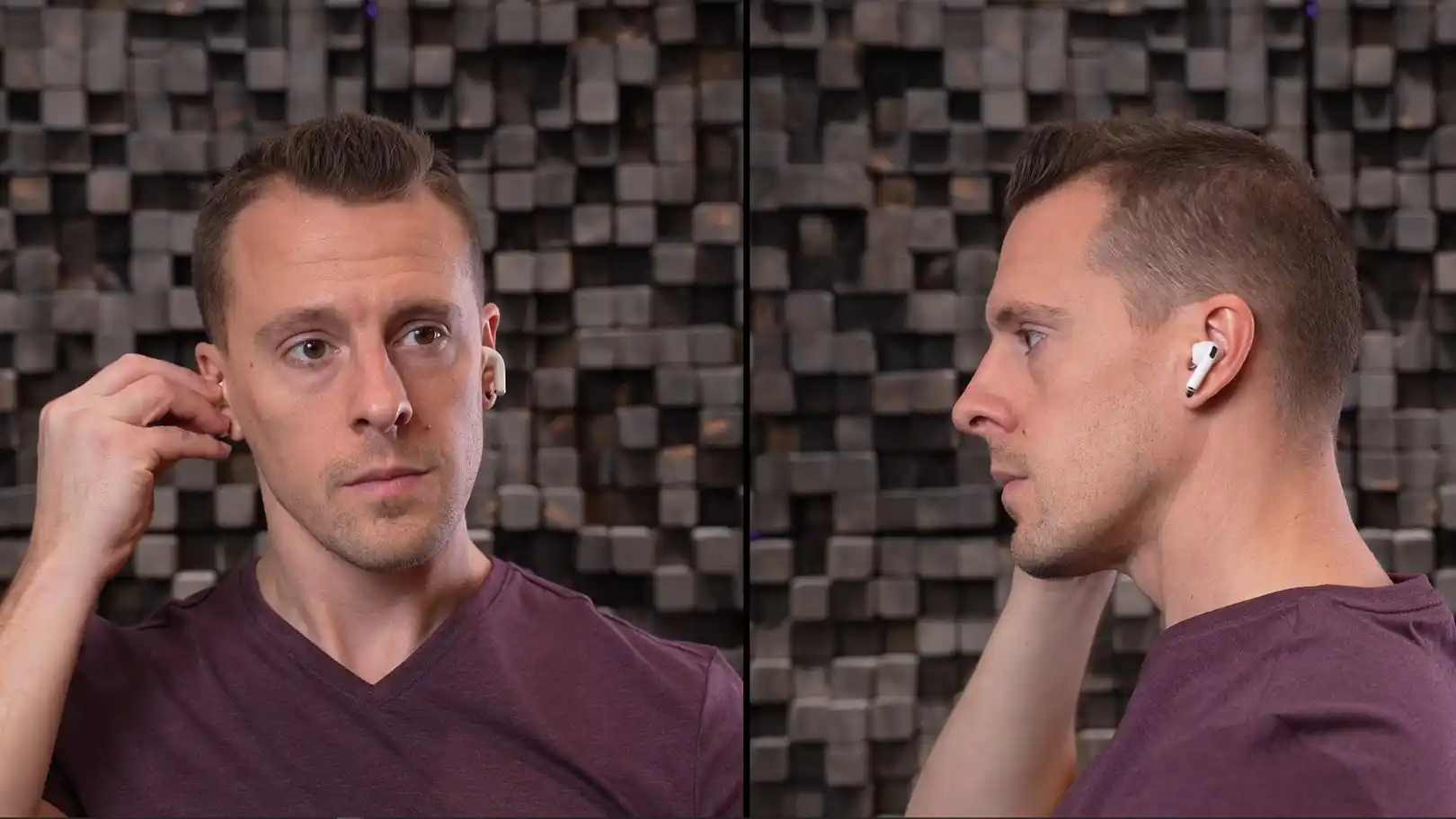
Feedback from our online hearing-loss communities revealed similar concerns. Several users reported discomfort after extended wear, while others struggled to keep their AirPods securely in place.
One user, who has both a hearing aid for single-sided deafness and AirPods, described the tradeoff: “No doubt, AirPods offer a richer sound one-on-one. But they are also more uncomfortable and don’t last nearly as long.”

However, other users reported wearing AirPods for hours without difficulty, particularly after experimenting with soft silicone or foam ear tips.
Battery Runtime
Apple advertises up to 10 hours of continuous use with the Hearing Aid feature enabled. That’s a substantial improvement over AirPods Pro 2 (up to 6 hours per charge), but still shorter than most dedicated hearing aids in our comparison.
The Yeasound RIC800 leads with up to 31 hours per charge, followed by the Jabra Enhance Select 50R at 30 hours, Sennheiser All-Day Clear at 24 hours, and Elehear Beyond at 18 hours. However, not every dedicated device lasts longer: Cearvol Wave also offers up to 10 hours.
Battery Runtime
Maximum hours per charge, as reported by manufacturers
Bar chart. Yeasound RIC800 lasts up to 31 hours per charge and Jabra Enhance Select 50R up to 30. AirPods Pro 3 and Cearvol Wave last up to 10 hours, the shortest shown.
- 31 hrs
- 30 hrs
- 24 hrs
- 18 hrs
- 10 hrs
- 10 hrs
AirPods Pro 3 runtime is with the Hearing Aid feature on. Actual runtime varies with streaming and settings.
View data
| Device | Runtime (hours) |
|---|---|
| Yeasound RIC800 | 31 |
| Jabra Enhance Select 50R | 30 |
| Sennheiser All-Day Clear | 24 |
| Elehear Beyond | 18 |
| AirPods Pro 3 | 10 |
| Cearvol Wave | 10 |
Source: HearAdvisor lab testing and HearingTracker ratings, October 2026.
Interestingly, AirPods Pro 3 earned a 4.6/5 battery rating in our broader assessment, which factors in charging speed and portable charging convenience.
Still, continuous battery runtime remains a practical limitation. Several community members reported needing to recharge their AirPods throughout the day, with some alternating between AirPods Pro 3 and their prescription hearing aids.
For someone who needs amplification from morning until bedtime, longer-lasting dedicated hearing aids may be more practical. But for occasional hearing assistance, the AirPods Pro 3’s portable charging case and relatively quick recharging can help offset their shorter runtime.
Price, Professional Support, and Value
At around $250, AirPods Pro 3 are one of the most affordable options in our comparison. But spending more doesn’t always mean getting better hearing performance.
For example, the $549 Yeasound RIC800 earned our highest SoundScore (4.73/5), beating the $1,698 Audicus Omni 2 (4.59/5). And for just $49 more than the AirPods Pro 3, the Elehear Delight scored much higher for sound quality (4.28/5 vs. 3.31/5).
Price vs. Sound Performance
Spending more doesn't guarantee better sound
- AirPods Pro 3
- Dedicated OTC hearing aids
Scatter plot of price against SoundScore. The $549 Yeasound RIC800 scored highest at 4.73, above the $1,698 Audicus Omni 2 at 4.59. The $299 Elehear Delight scored 4.28, well above AirPods Pro 3 at 3.31.
Scroll sideways to see the full chart.
Prices are per pair, as of October 2026; Yeasound RIC800 is shown at its ongoing sale price. The vertical axis starts at 3.0 to separate closely scored devices.
View data
| Device | Price | SoundScore |
|---|---|---|
| JLab Hear OTC | $100 | 3.54 |
| AirPods Pro 3 | $249 | 3.31 |
| Elehear Delight | $299 | 4.28 |
| Cearvol Wave | $397 | 3.92 |
| Elehear Beyond | $399 | 4.34 |
| Yeasound RIC800 | $549 | 4.73 |
| Elehear Beyond Pro | $599 | 4.20 |
| Sennheiser All-Day Clear | $899 | 4.42 |
| Jabra Enhance Select 50R | $1,195 | 3.73 |
| Audicus Omni 2 | $1,698 | 4.59 |
Source: HearAdvisor lab testing and HearingTracker ratings, October 2026.
Still, AirPods Pro 3 earned a perfect 5.0/5 for value, thanks to their low price and wide range of features, including their ability to work as hearing protection.
Another factor to consider is professional support. Apple can help with technical problems, but it doesn’t provide hearing care. AirPods earned just 1.0/5 in this category.
Some dedicated hearing aids, including the Senneiser All-Day Clear, Elehear Beyond, and Audicus Omni 2, offer access to hearing professionals who can help with fitting and adjustments. However, not every dedicated hearing aid provides that benefit. Yeasound RIC800 also received a 1.0/5 for professional support, despite earning the highest SoundScore in our comparison.
The Tuning Effect: How much can adjustments improve AirPods Pro 3?
One of the most interesting findings from our testing is how much AirPods Pro 3 improved after additional tuning.
As outlined above, HearAdvisor tests hearing aids in two ways: Initial Fit, which follows the manufacturer’s standard setup process, and Tuned Fit, which involves further adjustments to better match a standardized hearing-loss profile.
For AirPods Pro 3, those adjustments made a noticeable difference:
- Speech in quiet and moderate noise: Improved from 1.0 to 2.3/5, a gain of 1.3 points.
- Speech in loud noise: Improved from 1.1 to 1.8/5, a gain of 0.7 points.
The Tuning Effect
Speech scores before and after HearAdvisor's lab tuning, out of 5
- Initial Fit
- Tuned Fit
Dumbbell chart. Tuning raised AirPods Pro 3 from 1.0 to 2.3 for speech in quiet and from 1.1 to 1.8 for speech in noise. AirPods and the Jabra Enhance Select 50R gained the most for speech in quiet, about 1.3 points each, but tuned AirPods still scored lowest for speech in quiet.
- Speech in quiet4.4 → 4.4Speech in noise2.4 → 2.4
- Speech in quiet3.5 → 4.3Speech in noise2.1 → 2.3
- Speech in quiet4.1 → 4.0Speech in noise1.9 → 1.9
- Speech in quiet2.3 → 3.5Speech in noise1.0 → 1.0
- Speech in quiet3.0 → 3.1Speech in noise1.9 → 2.0
- Speech in quiet1.0 → 2.3Speech in noise1.1 → 1.8
Initial Fit follows the manufacturer's basic setup. Tuned Fit uses professional lab equipment to match audiological targets; most people are unlikely to reach these settings on their own with an OTC device. Devices are ranked by tuned speech in quiet.
View data
| Device | Speech in quiet: Initial | Speech in quiet: Tuned | Speech in noise: Initial | Speech in noise: Tuned |
|---|---|---|---|---|
| Yeasound RIC800 | 4.4 | 4.4 | 2.4 | 2.4 |
| Elehear Beyond | 3.5 | 4.3 | 2.1 | 2.3 |
| Sennheiser All-Day Clear | 4.1 | 4.0 | 1.9 | 1.9 |
| Jabra Enhance Select 50R | 2.3 | 3.5 | 1.0 | 1.0 |
| Cearvol Wave | 3.0 | 3.1 | 1.9 | 2.0 |
| AirPods Pro 3 | 1.0 | 2.3 | 1.1 | 1.8 |
Source: HearAdvisor lab testing and HearingTracker ratings, October 2026.
AirPods Pro 3 and the Jabra Enhance Select 50R gained the most from tuning for speech in quiet, about 1.3 points each. Both start from low Initial Fit scores, so the gains say as much about their out-of-the-box setup as about their potential. For speech in noise, AirPods Pro 3 improved by 0.7 points, more than any dedicated hearing aid in our comparison.
However, tuning didn’t close the gap in quiet settings. Even after tuning, AirPods Pro 3 scored lower for speech in quiet than every dedicated hearing aid in our comparison: 2.3/5, compared with 3.1/5 for the next-lowest device, Cearvol Wave. In noise, the picture is closer. Tuned AirPods Pro 3 scored 1.8/5, roughly level with Sennheiser All-Day Clear (1.9/5) and ahead of the Jabra Enhance Select 50R (1.0/5), but behind the Yeasound RIC800 (2.4/5).
AirPods Pro 3 Compatibility: Device and Country Restrictions
For Android users, compatibility is likely a dealbreaker. AirPods Pro 3 work with Android phones for basic Bluetooth features, including music streaming and hands-free calls. But you need a compatible iPhone or iPad to set up Apple’s Hearing Aid feature.
Unlike many dedicated hearing aids, AirPods Pro 3 don’t have a separate hearing aid app. Instead, you take a hearing test, upload an , and adjust settings like amplification, tone, and balance through Apple’s built-in Settings menu.
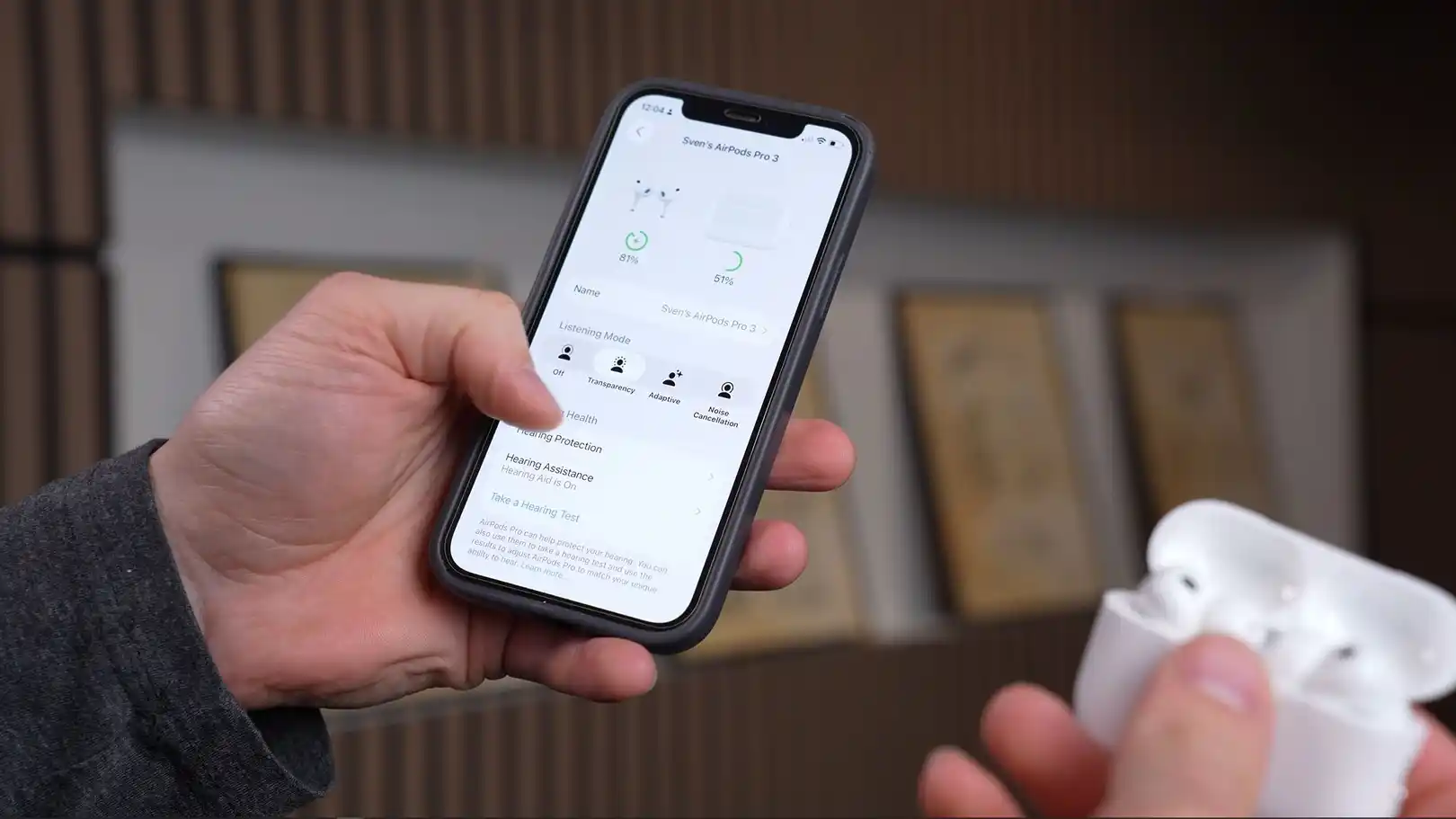
Once set up, AirPods save your hearing settings, so amplification continues even without an Apple device nearby. However, Android users can’t adjust those settings directly from their phones.
This limitation came up in our HearingTracker forums, with one Android user saying he liked AirPods Pro 3 enough to purchase an iPad specifically to configure them.
Hearing Test and Hearing Aid Feature Availability
Apple’s Hearing Test and Hearing Aid features aren’t available in every country, and in some countries, they aren’t available everywhere. Canada is a good example.
Health Canada licensed both features in December 2024, but provinces regulate how hearing aids are sold and dispensed, so the rollout has moved province by province. As of October 2026, Apple’s Hearing Test feature is available across Canada, but the Hearing Aid feature is limited to Alberta, British Columbia, New Brunswick, Prince Edward Island, and Saskatchewan. Canadian users need iOS or iPadOS 27.2 or later. Hearing Protection is available nationwide.
Before buying AirPods for hearing assistance, check Apple’s country-by-country feature availability list to confirm that the features you need are supported where you live.
Should you get AirPods Pro 3?
Our lab testing and community feedback suggest AirPods Pro 3 work best as a situational or occasional hearing aid, or as a backup to traditional hearing aids, rather than a full-time replacement.
One of the most interesting findings from our online community is that many users value their AirPods Pro 3 for what their prescription hearing aids don’t do as well. Even when AirPods Pro 3 fall short in challenging listening environments, users appreciate them for music, TV, travel, exercise, hearing protection, and occasional hearing assistance.
- If you’re an Apple user: AirPods Pro 3 are worth considering, especially if you have perceived mild hearing loss and want convenient, affordable hearing assistance.
- If you struggle with speech in noise: Dedicated hearing aids perform somewhat better, but none excel in loud settings. If noisy environments are your main challenge, consider a hearing evaluation and prescription hearing aids.
- If you use Android: AirPods Pro 3 are less practical because you need a compatible Apple device to set up and adjust their hearing features.
The bottom line: AirPods Pro 3 offer excellent versatility for the price, but they’re best suited to people who want situational hearing assistance alongside premium audio features, not necessarily a replacement for dedicated hearing aids.

Megan Looney
Hearing Tracker ContributorMegan Looney is a freelance writer and editor specializing in health, wellness, and education. She has severe high-frequency hearing loss, which gives her a personal connection to the topics she covers for Hearing Tracker. Megan holds a degree in journalism and multiple health coaching certifications, and is especially interested in making complex health information feel clear, practical, and approachable.

Tina Sieber, PhD
Health WriterTina Sieber is a technology journalist with over 10 years of experience and a PhD in Biochemistry. Following an episode of sudden one-sided hearing loss, she was diagnosed with a benign brain tumor in 2018. She has since started writing about hearing loss and reviewing hearing aids for major tech publications.

Karl Strom
Editor in ChiefKarl Strom is the editor-in-chief of HearingTracker. He was a founding editor of The Hearing Review and has covered the hearing aid industry for over 30 years.