The Best OTC Hearing Aids of 2026 and What They Cost

Everything you need to know about over-the-counter hearing aids, including the best performers of 2026.
Updated on Jun 29, 2026·How we test

Our expert team selects and tests products rigorously. We may earn commissions if you buy through our links. Here's how we keep reviews independent.

Why trust us?
295+Hours of audio recordings
95Hearing aid models tested
5Industry leading audiologists
13Years independently owned & operated

2026 Guide Includes:
8 models benchmarked in our lab.

How we test
Quick Verdict

The 2026 Shortlist

Updated 202695+ Models Tested

Top-rated OTC with audiogram support, strong noise performance, and remote care.

Expert Rating
4.4/5
$649 per pair

Premium OTC with Auracast, LE Audio, and three years of licensed audiologist care.

Expert Rating
4.1/5
$1,995 per pair
Limited care options

OTC hearing aids often lack professional support. Most users benefit from regular in-person follow-ups and adjustments, especially when their hearing loss isn't mild or typical.

1

Not appropriate beyond mild-to-moderate loss: Every device on this list has a hard ceiling; per FDA regulations, they're all capped at 20 dB of gain on average and a maximum output of 117 dB SPL. Users with more severe or complex losses who try OTC first may waste time and money before reaching professional care.

2

Professional remote care: With audiologist-backed OTC devices (Jabra, Elehear, Audicus), a licensed professional can reprogram the hearing aid to your unique hearing loss and adjust based on real-world feedback, something tech-only support (JLab, AirPods) can't offer. However, even the best remote care stops short of in-clinic real-ear verification, the gold standard for confirming a device is delivering the right amplification for your specific loss.

3

Preset vs. self-fitting matters more than most specs: Preset OTC devices work reasonably well for mild, age-typical hearing loss, but they can't compensate for your specific audiogram. Self-fitting devices, which calibrate to an in-app hearing test or uploaded audiogram, are the better starting point for anyone with an asymmetrical, sloping, or otherwise atypical loss.

Independent lab testing

HearAdvisor tested each device in a custom acoustic lab, scoring speech in quiet, speech in noise, music streaming, own voice, and feedback handling.

Audiologist wear testing

Dr. Steve Taddei wore each device for at least a week, rating build quality, battery, Bluetooth reliability, comfort, app features, and professional support.

OTC device selection

We ranked OTC hearing aids by HearingTracker Score, then chose the top performers across price tiers, form factors, and levels of professional support.

Our Recommendations

Top PickBest OTC Hearing Aid Overall
From $649 per pair|Read full review
Elehear Beyond Pro
4.4/5

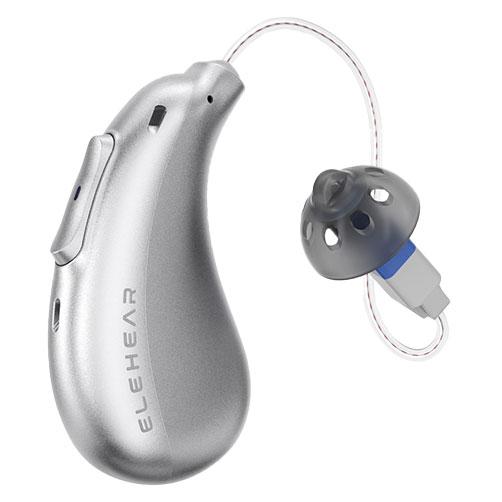
The Elehear Beyond Pro is a self-fitting OTC receiver-in-canal (RIC) hearing aid with strong speech-in-noise performance and lab scores in the top 2% of all OTC devices tested. It supports audiogram-based programming via remote submission and includes access to licensed audiologists through the app.

Why we picked it
  • Top 2% HearAdvisor OTC lab score
  • Self-fit with audiogram-based programming
  • Licensed audiologist remote care via app
Tradeoff: Professional care by a licensed audiologist is only available Monday through Friday.
Best OTC Hearing Aid for Remote Care
$1,995From $1,795 per pair||Read full review
Jabra Enhance Select 700
4.1/5

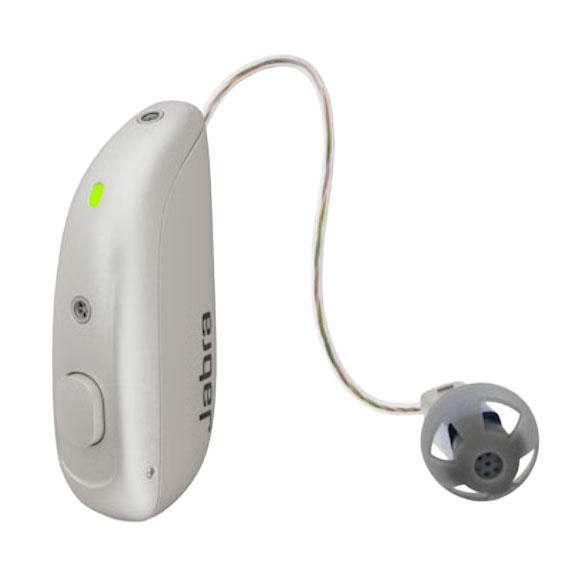
The Jabra Enhance Select 700 is a compact, discreet OTC RIC hearing aid built on GN ReSound technology. It features Bluetooth LE Audio with Auracast, reliable streaming for iOS and Android, and three years of telehealth care from licensed audiologists included.

Why we picked it
  • Bluetooth LE Audio + Auracast support
  • Tiny, discreet receiver-in-canal design
  • 3 years of licensed audiologist telecare
Tradeoff: At $1,795, it's priced near entry-level prescription hearing aids with in-person care.
Best Value OTC Hearing Aid
From $599 per pair|Read full review
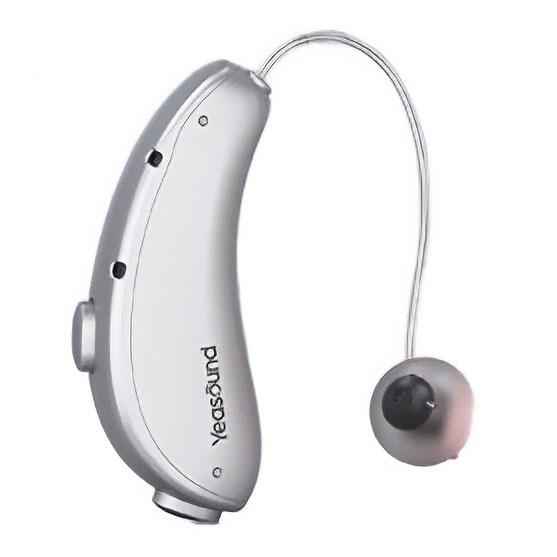
Yeasound RIC800
4.2/5

The Yeasound RIC800 is a rechargeable preset-based OTC RIC hearing aid scoring in the top 5% of all OTC devices tested by HearAdvisor. It delivers up to 31 hours per charge, supports iOS and Android streaming with Auracast, and includes a built-in tinnitus masker.

Why we picked it
  • Top 5% HearAdvisor OTC lab score
  • 31-hour battery + 124-hour charging case
  • Auracast + built-in tinnitus masker
Tradeoff: Preset-based setup only, i.e., no on-ear hearing test for personalized fitting, though Yeasound's team can recommend tailored settings based on an audiogram.

Compare the Best OTC Hearing Aids of 2026

Product
Top Pick
Elehear Beyond Pro

Elehear Beyond Pro

Visit Site
Jabra Enhance Select 700

Jabra Enhance Select 700

Visit Site
Yeasound RIC800

Yeasound RIC800

Visit Site
Audicus Omni 2

Audicus Omni 2

Visit Site
Cearvol Wave

Cearvol Wave

Visit Site

Nuance Audio Hearing Glasses

Visit Site
Apple AirPods Pro 3

Apple AirPods Pro 3

Visit Site
JLab Hear OTC

JLab Hear OTC

Visit Site
Our Rating4.4/54.1/54.2/54.2/54.4/53.2/54.1/53.9/5
VerdictBest OTC Hearing Aid OverallBest OTC Hearing Aid for Remote CareBest Value OTC Hearing AidBest OTC Hearing Aid for SeniorsBest Earbud-Style OTC Hearing AidBEST SITUATIONAL / GLASSES HEARING AIDSBest Sub-$300 OTC Hearing AidBest Sub-$100 OTC Hearing Aid
Price$649$1,995$599$1,498$397$1,200$240$100
Hands-Free Calling
Rechargeable
iPhone Streaming
Android Streaming
Telecoil

Prices and availability are subject to change. We independently review each item we recommend and appreciate your trust and support. When you buy through our links, we may earn a commission.

Best Overall: Elehear Beyond Pro

The Elehear Beyond Pro is HearingTracker’s highest-rated and best overall OTC hearing aid. It ranks among the top six of all hearing aids (i.e. including prescription models) we’ve tested so far.

When we look at its SoundScore, which measures the overall acoustic performance of hearing aids across various simulated real-world listening environments, the Beyond Pro ranks ahead of all prescription aids. In other words, the Beyond Pro offers impressive benefits for speech-in-quiet and speech-in-noise for people with typical age-related mild to moderate hearing loss. However, if your hearing loss is more complex, you might still want to consider a prescription hearing aid.

Score
4.4
Elehear Beyond Pro

The Elehear Beyond Pro is a self-fitting OTC receiver-in-canal (RIC) hearing aid with strong speech-in-noise performance and lab scores in the top 2% of all OTC devices tested. It supports audiogram-based programming via remote submission and includes access to licensed audiologists through the app.

Expert Review

The Beyond Pro is a self-fit hearing aid that features an in-app hearing test, which is an upgrade to the original Beyond's preset-based setup. You can also share an audiogram with Elehear's team and they will program the Beyond Pro remotely via the app.

Elehear offers lifetime support via email, chat, or phone, including remote care support by licensed audiologists. However, their professional service is only available Monday through Friday. Nevertheless, its level of performance and the added care option make the Beyond Pro a top choice among affordable hearing aids.

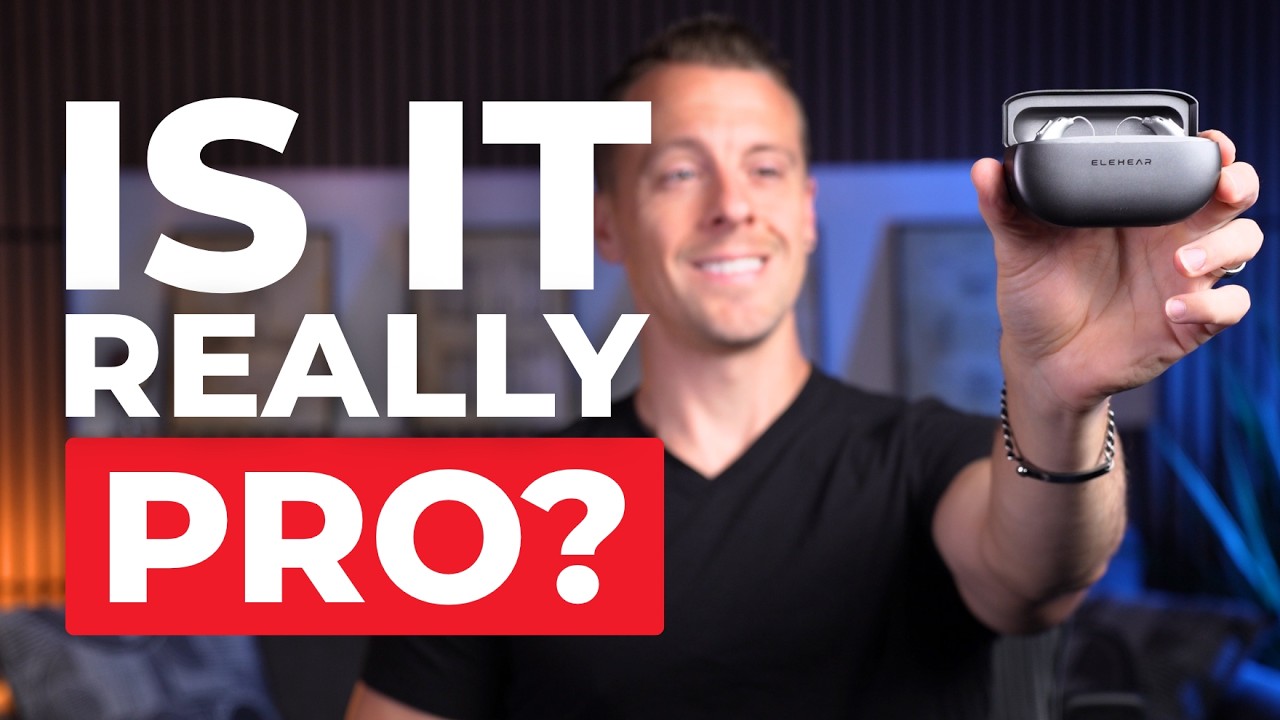
Audiologist Steve Taddei discusses how the Elehear Beyond Pro performed in real-world use and objective lab testing. In addition to comparing it to the previous generation Elehear Beyond and presenting sound samples, he demonstrates settings in the Elehear app.

Pros

  • HearingTracker's best-rated OTC hearing aid

  • Self-fitting and supports audiogram-based adjustments

  • Includes professional remote care

  • Comfortable receiver-in-canal design

  • The sound automatically adjusts to your environment

  • Battery life of up to 24 hours per charge

  • Wireless Bluetooth streaming and hands-free calling with iOS and Android

Cons

  • No Auracast support

  • More visible due to a larger behind-the-ear unit than similar hearing aids

  • Remote care only available Monday through Friday

  • Some minor sound quality artifacts, esp. in quieter environments and while playing live music

  • Unknown dust protection, but resistant to sweat and light rain

Best for Remote Care: Jabra Enhance Select 700

The Jabra Enhance Select 700 is one of the few OTC hearing aids that include professional care per default and offer above-average speech-in-noise performance.

Select 700 is custom programmed to your unique hearing profile, and the three years of professional hearing care—which includes unlimited remote adjustments—can make all the difference in hearing aid performance. You'll also receive three years of warranty and loss and damage protection.

Score
4.1
Jabra Enhance Select 700
From $1,995$1,795per pair

The Jabra Enhance Select 700 is a compact, discreet OTC RIC hearing aid built on GN ReSound technology. It features Bluetooth LE Audio with Auracast, reliable streaming for iOS and Android, and three years of telehealth care from licensed audiologists included.

Expert Review

The design and features of the Enhance Select 700 are almost identical to those of its predecessor, the Jabra Enhance Select 500, and they share the same "core processing chip." Select 700 has a slightly smaller body and a more sophisticated hearing in noise processing system that includes AutoFocus, which intelligently adjusts to the wearer’s acoustic environment by automatically directing the microphones and modifying noise reduction in real time. It utilizes Bluetooth LE Audio, which improves streamed sound quality and battery life, and lets you stream audio at venues that support Auracast broadcasts.

With a battery life of up to 24 hours per charge, the Enhance Select 700 can last you all day.

In addition to online purchase, you can also buy the device through Jabra certified professionals, most of which are Beltone Hearing Centers (prices for services may vary).

Maybe not. If you have access to one of their Hearing Centers, we recommend looking into Costco’s hearing aids. The price difference to the Rexton Reach or the Jabra Enhance Pro 30 is minimal, but Costco’s prescription models include professional in-person care. Costco employs licensed hearing care specialists or audiologists who follow best practices and can perform regular adjustments, which tends to yield better results long-term.

Alternatively, consider the Sennheiser All-Day Clear OTC hearing aids. Currently available for just under $600, they’re way more affordable than the Jabra Enhance Select 700, offer slightly better performance in background noise and otherwise similar features and performance. However, you can upgrade your purchase for an In-Clinic Care Package where you’ll receive custom programming and in-person service from a hearing care professional, as well as extend the standard 1-year warranty to 2 years. The cost for this is $250 extra (price may vary).
Pros

  • Comfortable and compact receiver-in-canal design

  • Good sound quality and speech in noise performance

  • Comprehensive customization options in the Jabra Enhance app

  • Bluetooth LE Audio streaming and Auracast-enabled

  • Battery life of up to 24 hours per charge, plus three full charges with the case

  • IP68 ingress rating, the highest available for a hearing aid

  • Professional telehealth support with hearing care providers, remote programming, and tech support

  • Up to three years of warranty and loss & damage protection

Cons

  • More expensive than most OTC hearing aids

  • Telecare services may be slow to schedule appointments

  • Some phones won't work with streaming, but Jabra offers a list of compatible devices

Best Value: Yeasound RIC800

The Yeasound RIC800 is one of the most recently released OTC hearing aids. In terms of overall performance, the RIC800 is the second-best hearing aid on this list and the third-best when we just look at its SoundScore, i.e. its acoustic performance. Where it stands out, however, is with its battery life of up to 31 hours per charge and up to 124 hours with its charging case, making it one of the best rechargeable hearing aids.

Score
4.2
Yeasound RIC800

The Yeasound RIC800 is a rechargeable preset-based OTC RIC hearing aid scoring in the top 5% of all OTC devices tested by HearAdvisor. It delivers up to 31 hours per charge, supports iOS and Android streaming with Auracast, and includes a built-in tinnitus masker.

Expert Review

Since our original review of the RIC800 in February of 2026, Yeasound has added an app-based hearing test via firmware update, possibly moving the RIC800 beyond preset-only fitting. The company also accepts audiograms by email for remote programming. We’re retesting the RIC800 using the new hearing test feature to confirm how it impacts performance. Check back for our updated verdict.

Even though the RIC800 relies on presets, rather than a hearing test-based setup, it offers great performance for people with typical mild to moderate hearing loss. In quiet and busy environments, the RIC800 performs on par with the Lexie B2 Plus (recommended as an alternative to the Audicus Omni 2), scoring higher than many other hearing aids on this list, including the Jabra Enhance Select 700.

Within the app, you can choose between five presets and fine-tune four of them with a tree-band equalizer, noise reduction level, and directionality. If you provide Yeasound's team of audiologists with the results of a third-party hearing test, i.e., an audiogram, they will suggest the most appropriate programming settings for your unique hearing loss. In the AI-powered adaptive mode, the RIC800 automatically adapts to background noise, but note that this feature may reduce battery life. You can also adjust the volume separately for each ear.

Audiologist Steve Taddei presents the results of his hands-on and lab-based Yeasound RIC800 OTC hearing aids review and compares them to the previous generation RIC700. He also walks you through setup and options available in the app.

Pros

  • Bluetooth 5.2 audio streaming with Auracast support

  • Up to 31 hours of battery life, plus three full charges with the portable charging case for up to 124 hours total

  • AI noise cancellation in adaptive mode

  • IPX8 water resistance

  • Feature-rich app with useful controls and advanced features, including a tinnitus masker

  • Professional remote care via the app

Cons

  • Preset-based setup only and limited fine-tuning inside the app

  • Unknown dust ingress protection

Best for Seniors: Audicus Omni 2

At its core, the Audicus Omni 2 is a prescription hearing aid redesigned for the OTC market. It’s available in two versions, either with a disposable or a rechargeable battery, and we think the rechargeable version is the better choice for older adults. Replacing disposable batteries has always required fine motor control, and a 2022 US regulatory change to battery packaging has made the batteries themselves harder to access. Both versions feature Bluetooth 4.2, which supports streaming and hands-free calling with iOS and Android. While it doesn’t support Auracast, the Omni 2 is the only OTC hearing aid on this list that features a Telecoil, albeit by request only.

Score
4.2
Audicus Omni 2

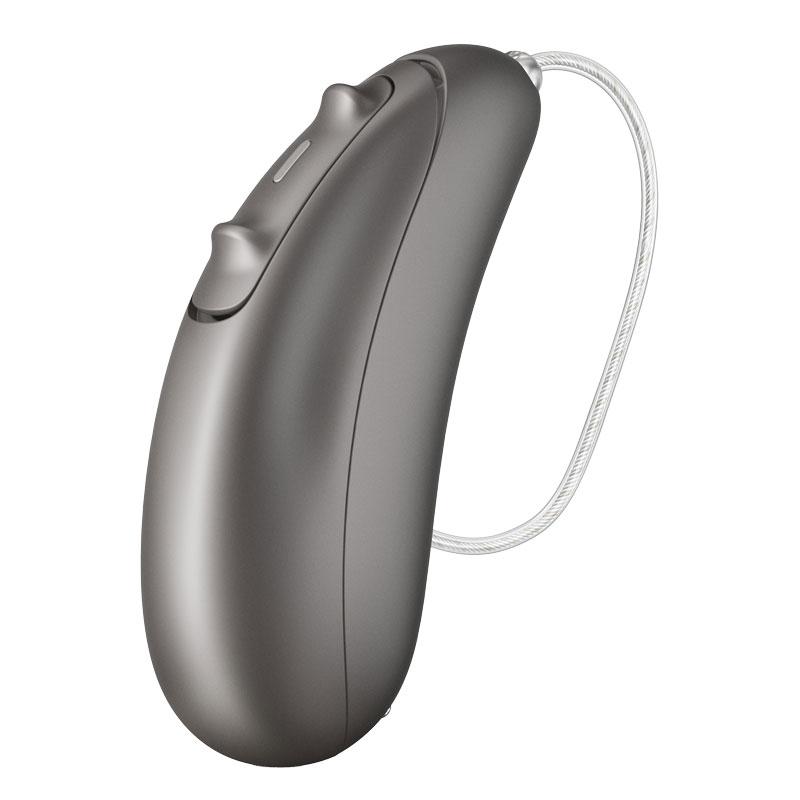
Built on Sonova/Unitron technology, the Audicus Omni 2 is a polished OTC RIC hearing aid with strong speech performance in quiet environments, reliable universal Bluetooth streaming and hands-free calling, lifetime audiology care, and an optional Telecoil (by request).

Expert Review

Audicus can program the Omni 2 using either the results of their online hearing screener or an audiogram. The latter will give you better results for hearing speech. What’s more, the Omni 2 comes with lifetime audiology care included, much like the Jabra Enhance Select 700 or the Sennheiser All-Day Clear. And, much like the optional Telecoil, you can ask Audicus’ care team to unlock the Omni 2’s tinnitus masker. Everything considered, it’s one of the best hearing aids for seniors in the OTC category.

Audicus offers a comprehensive selection of accessories for the Omni 2, including a remote control, a partner mic, and a TV connector, in case your TV doesn’t support Bluetooth. On that note, the Omni 2’s streamed music sound quality is above average among all hearing aids HearAdvisor has tested.

Yes, consider the Lexie B2 Plus Powered by Bose as an affordable alternative to the Audicus Omni 2. This OTC receiver-in-canal (RIC) hearing aid offers good sound quality, excellent online remote setup, and professional support from Lexie Hearing. The B2 Plus also scored highly for ease-of-use, with both on-board controls via a push button and app-based controls available for tech-savvy seniors. Free 45-day onboarding support from licensed professionals is available six days a week.

While it is compatible with iOS and Android for hands-free calling, it wasn't designed for streaming music and Lexie doesn't offer assistive accessories for the B2 Plus. It currently doesn't support Auracast, though this update may become available, and doesn't feature a Telecoil.

Audicus, a pioneer in online hearing aids, has been working with Sonova and WSA to bring traditional hearing aids and professional hearing care services directly to consumers. The Omni 2 is manufactured by Sonova, the same corporate group that makes Phonak, Sennheiser, and Unitron hearing aids.

Pros

  • Comfortable and slim receiver-in-canal design

  • Remote programming with an Audicus hearing specialist, based on an online screening or professional hearing test

  • Lifetime audiology care included

  • Automatically switches programs based on your environment

  • Universal Bluetooth compatibility with iOS and Android devices

  • Features a Telecoil

  • App with wireless volume control, 3-band equalizer, and separate profiles for Bluetooth streaming and regular use

  • IP68 water and dust resistance and excellent build quality

  • Comprehensive selection of assistive accessories

Cons

  • Battery life of no more than 16 hours per charge

  • No portable charging case included; however, the optional Power Pack holds up to seven full charges

  • Outdated remote adjustments, sending updates through the app, rather than applying them in real-time

  • No Auracast support

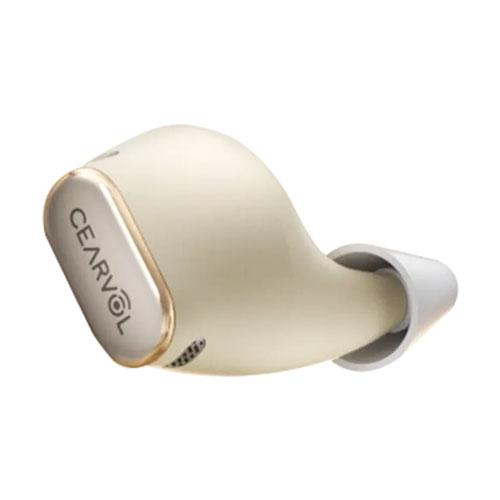
Best Earbud: Cearvol Wave

The Cearvol Wave is a visible in-the-ear (ITE) OTC hearing aid priced at $399 a pair. What sets it apart from other budget picks is its lab-verified speech-in-noise performance: In independent HearAdvisor testing, it scored 3.2 in noise (1.5 points above the OTC category average), earned an overall SoundScore of 4.3 out of 5, and placed in the top 10 of all OTC hearing aids tested to date. The Wave pairs that performance with Bluetooth streaming to both iPhone and Android and app-based sound customization, including an in-app hearing test and audiogram support for personalized fitting.

Score
4.4
Cearvol Wave

The Cearvol Wave is an earbud-style OTC hearing aid at $399 a pair. It self-fits via app with audiogram support, streams to iPhone and Android, and comes with a touchscreen case that acts as a remote control, remote mic, and AUX-IN audio bridge.

Ideal for

Expert Review

One of the more unusual aspects of the Wave is its touchscreen charging case, which doubles as a remote control, remote microphone, and wired AUX-IN audio bridge, practical features rarely found at this price.

Battery life tops out at 10 hours per charge, which falls below many other hearing aids on this list, and real-world run time will be shorter when using the Restaurant program or streaming audio heavily. A 15-minute quick charge delivers around 3 hours of use, which helps offset the limitation. The IPx5 moisture rating is also lower than most RIC-style alternatives, so users who are active or frequently exposed to sweat and water should take note. The Wave's earbud-style design means some users will notice their own voice sounding hollow or boomy.

For those who can tolerate those trade-offs, however, the Wave makes a strong case as the best-performing earbud-style OTC hearing aid at its price. If you're looking for a more discreet alternative, consider the Elehear Delight, which offers comparable lab scores in a smaller form factor at an even lower price.

Pros

  • Strong speech-in-noise performance, scoring 2 points above the OTC category average in independent HearAdvisor lab testing.

  • Streams music and phone audio to both iPhone and Android, with music streaming scores well above the overall average across all hearing aids tested.

  • Self-fitting via in-app hearing test or audiogram submission, going beyond the preset-only setup common in budget OTC devices.

  • Touchscreen charging case doubles as a remote control, remote microphone, and wired AUX-IN audio bridge, a rare feature set at this price.

Cons

  • Own-voice comfort is below average; the occluding in-ear fit can make your voice sound hollow or boomy, a common trade-off with earbud-style hearing aids.

  • IPx5 moisture rating is lower than most RIC-style alternatives on this list, so extra care is needed around sweat and water.

  • Battery life maxes out at 10 hours per charge, with shorter run times expected during streaming or in the Restaurant program, though a 15-minute quick charge adds around 3 hours of use.

Best Eyeglass / Situational: Nuance Audio

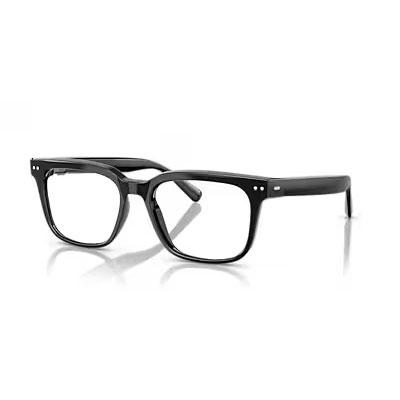
Nuance Audio Glasses are unique stylish prescription-ready eyewear that conceal a solid feature set of OTC hearing aid benefits. Although they have the shortcoming of a shorter battery life (about 8 hours) and a premium price tag ($1,200), these hearing glasses from global eyewear giant Essilor Luxottica are comfortable to wear, easy to use, and performed well above average on speech in quiet and above average on speech in noise, but scored below average on feedback (whistling) in the HearAdvisor lab—earning them an "A" SoundGrade and the lab's 2025 Expert Choice Award.

Score
3.2
Nuance Audio Hearing Glasses

Nuance Audio Glasses integrate OTC hearing enhancement into prescription-ready eyewear. Lab scores rank them in the top 20% of OTC devices tested, with well-above-average speech-in-quiet, directional microphones, and app-controlled noise reduction.

Ideal for

Expert Review

Although not the top-performing OTC hearing aid and they do not feature Bluetooth audio streaming for music and phone calls, we think Nuance Audio Glasses are a clever, effective, discreet 2-in-1 solution that integrates hearing help into everyday eyewear.

Pros

  • Stylish, discreet, comfortable hearing aid and prescription glasses; allows hearing aids to "hide in plain sight.”

  • Can help make speech clearer with their highly directional microphones and app-controlled noise reduction features.

  • Unlike traditional hearing aids, they do not plug your ears.

  • Nuance Audio Glasses can be controlled wirelessly with the Nuance mobile app

Cons

  • Eight-hour battery life means they are not really an all-day solution and will need to be used situationally to conserve power.

  • Do not currently support Bluetooth audio streaming or hands-free calls.

  • These are “Preset” and not "Self-fitting" OTC aids, meaning they are not programmed based on a hearing test for your unique hearing loss.

  • Support is currently limited to technical assistance with no direct professional assistance from hearing care providers.

Need a sub-$300 OTC hearing aid option that works?

Are you looking "just to try" a hearing aid by dipping your toes into the waters of OTC hearing devices? Or maybe you're searching for a really inexpensive—but decent-performing—hearing aid that can stand in for your more expensive hearing aid when you engage in sports or other activities that could damage your "regular” hearing aid? If so, consider the following.

Apple AirPods Pro 2 and Pro 3

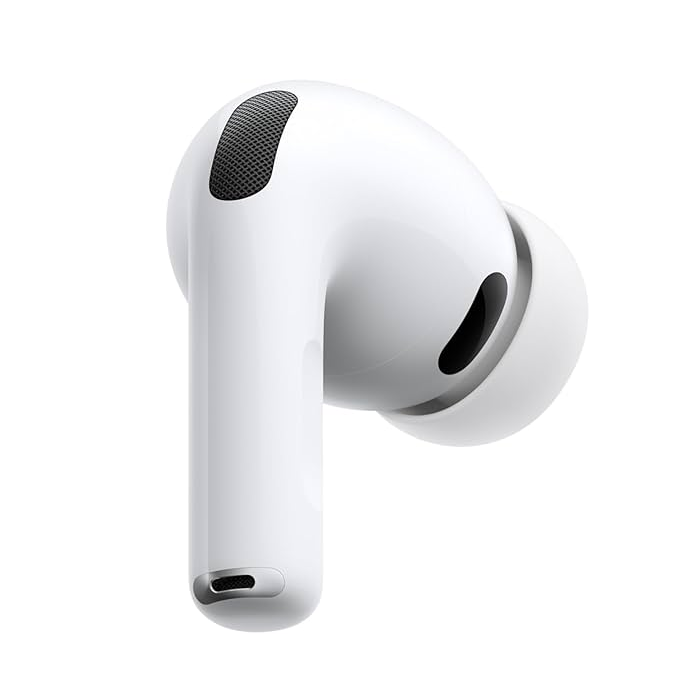
AirPods Pro 2, as well as the newer Pro 3 model, may be the best choice if you're looking for earbuds that double as hearing aids at a price ($249) that doesn't break the bank.

Like many of the more advanced OTC devices, the AirPods Pro 2 and 3 offer an on-ear self-fitting hearing assessment. You can also upload the results of a professional hearing test through the Apple Health app. While they will connect to an Android device over Bluetooth, you do need an iOS device to set up the hearing aid feature. Apple's Hearing Features software for the AirPods Pro 2 was granted de novo status by the FDA—possibly blazing the trail for other earbud and headphone manufacturers that wish to enter this market.

Score
4.1
Apple AirPods Pro 3

Apple AirPods Pro 3 are wireless earbuds with FDA-registered OTC hearing aid functionality. They support audiogram upload through Apple Health, offer 10 hours of battery life in Hearing Aid Mode, and deliver above-average speech-in-noise scores when properly tuned.

Ideal for

Expert Review

The newer Apple AirPods Pro 3 builds on the Pro 2 with an extended battery life of 10 hours on a single charge (a 4-hour improvement), better active noise cancellation and spatial listening, new eartips that seat better in the ear, and an improved Ingress Protection (IP) rating of IP57, making them more sweat- and water-resistant.

Pros

  • With their popularity and price tag of $249, you may already own a set

  • The app-based hearing test can be done individually for each ear

  • You can upload an audiogram through the Apple Health app

  • Options to fine-tune the amplification, balance, tone, ambient noise reduction, and boost conversations

  • Some of the best Bluetooth streaming quality you'll find in an earbud and hands-free calling with iOS and Android

Cons

  • Not quite all-day hearing devices with 5-6 hours of battery power for the Pro 2 and a dramatically improved 10 hours for the Pro 3 in the Hearing Aid Mode (with no audio streaming)

  • Limited lifespan of two to three years due to Lithium-ion battery failure

  • Tech support only

JLab Hear OTC

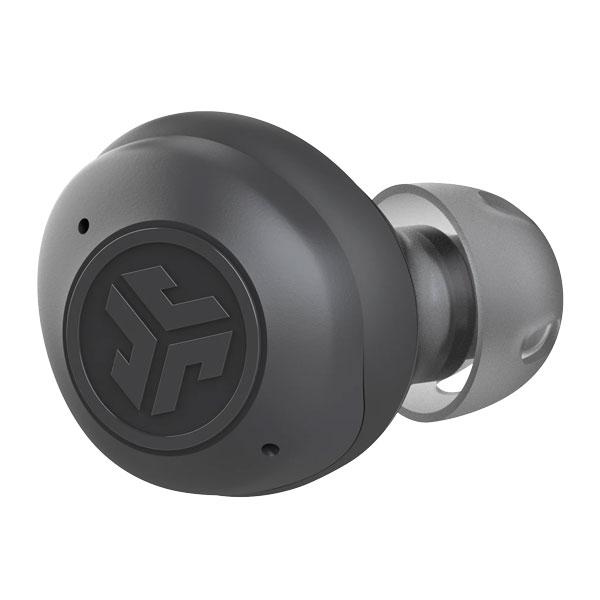
The JLab Hear OTC at $99 is the best sub-$100 hearing aid we've tested, achieving a "B” SoundGrade from our HearAdvisor Lab (frankly, most devices in this price range are awful). This hearing aid is an instant-fit OTC hearing aid with four pre-set programs, directional microphones, hands-free calling for Android and iOS, and can be adjusted using the JLab Hearing Health app. It comes in three different colors (graphite, beige, and light gray) and includes a portable charging case that carries 40 hours of extra power. JLab provides a 30-day trial period and a 2-year limited warranty on these devices.

The JLab Hear OTC is a $79 instant-fit OTC hearing aid with an earbud-style design, four preset programs, directional microphones, and hands-free calling for iOS and Android. It earned a "B" SoundGrade from HearAdvisor, the best result among sub-$100 devices.

Expert Review

Pros

  • The best sub-$100 OTC hearing aid we've tested

  • Look like consumer earbuds rather than hearing aids

  • The JLab Hearing Health app offers a nice feature set for personalization

  • Excellent music streaming and stable hands-free call streaming

  • The earbuds are lightweight and comfortable, with a snug fit

Cons

  • Relies on four pre-set programs, so it does not come with "self-fit OTC” software that "tunes" the device for your unique hearing loss

  • The portable charger is flimsy, and the devices have a lower Ingress Protection rating (IPX4), which means they're not particularly resistant to water and dirt

  • With only 10 hours of battery life (less with steaming), these are not an all-day hearing solution

  • Tech support only

How We Picked the Best OTC Hearing Aids

HearingTracker’s review team wears each pair of hearing aids for at least a week and reviews key aspects like build quality, battery performance, Bluetooth connectivity and stability, comfort, and real-world handling. We also rate devices based on value, professional support, and app features.

In addition, we’ve teamed up with the independent HearAdvisor Lab to objectively assesses hearing aid sound performance in a variety of listening situations, like office environments and noisy cafes.

Because OTC hearing aids are relatively new and there are some shockingly bad products on the market (our HearAdvisor lab has identified about a dozen that do little to help you hear or even make listening more difficult), we tend to lean toward those devices made by reputable hearing healthcare brands or at least companies that have long-standing, reliable track records. Professional in-person or telecare support during the initial onboarding process, as well as long-term product support (including honoring trial periods and warranties), are also very important considerations in our recommendations.

To identify the best OTC hearing aids, we performed thorough hands-on testing in the lab, weeded out models with a sub-par reputation, and ranked all OTC hearing aids based on their HearingTracker Score. The HearingTracker Score uses a user-centric average to estimate overall performance and value, and it incorporates the HearAdvisor SoundScore, a performance metric used to evaluate the sound performance of hearing aids across different listening environments. From the top performers, we selected the best OTC hearing aids for different target groups. While some people prioritize streaming audio quality, others are looking for an invisible option, and yet others have a strictly limited budget. While it might not have the highest score, our pick for the best overall OTC hearing aid will meet the needs of most people.

Who should get OTC hearing aids?

OTC hearing aids are hearing aids for adults (ages 18+) with perceived mild-to-moderate hearing loss. They’re particularly helpful to people who don’t have access to insurance that covers traditional hearing aids. Potential buyers should be comfortable with self-managing electronic devices, customizing them using apps, and regularly optimizing their settings. A recent study suggests that people who have had experience with conventional hearing aids and who are comfortable with smartphone technology are more likely to benefit from OTC hearing aids.

Prior to investing in OTC hearing aids, it's best to consult with a hearing care professional to confirm the level of hearing loss and rule out underlying and/or treatable conditions, which might be covered by insurance. There is really nothing that can compare to having a trained professional look in your ears and provide a comprehensive hearing evaluation.

If you don't wish to take that route, you might wish to visit Northwestern University's CEDRA webpage to see if you have a risk for conditions and diseases that affect hearing. If you're all clear with CEDRA, then you can move on to an independent hearing test like those mentioned in our Top-10 Free Online Hearing TestsAARP's phone-based Hearing Test, or HearingTracker's 3-minute hearing test.

You don't just take hearing aids and go. You need a good service program with [hearing aids] to get them programmed correctly for your loss and help you adjust to them.

Danielle Gorsky, AuD

Top-10 Do’s and Don’ts When Buying OTC Hearing Aids

  1. Verify Your Eligibility: Get a hearing screening test from an independent source to be sure you fall into the mild-to-moderate hearing loss category for which OTC hearing aids are designed. There are some good free but less accurate online hearing tests available. You can use CEDRA from Northwestern University and Mayo Clinic to see if you have any medical risks, then take an online hearing test to assess the severity of your hearing loss (we go into more detail on eligibility in the “Who Should Get OTC Hearing Aids” section below).
  2. Get a Professional Hearing Test: Even better, visit a hearing care professional for an audiogram. While some are free and others may cost $100-250, a hearing evaluation in a sound-treated booth gives you an accurate picture of your hearing loss, rules out any medical issues, and resolves easy-to-fix problems like earwax. Plus you can use the audiogram to program many self-fit OTC aids and hearables—resulting in a hearing aid more precisely tuned to your hearing loss.
  3. Understand Trial and Warranty Policies: Make sure you understand the company’s trial period/return period and product warranty. These are major areas where the FDA’s OTC rules depart from those of prescriptive hearing aids; in comparison, OTC hearing devices have far fewer consumer protections and your options for redress are more limited. If you’re planning on using your OTC hearing aid for several years, then anticipate at least some service or repair issues during that time. Clogged and/or malfunctioning receivers, kinked tubing, moisture problems, etc., are not uncommon problems in hearing aids.
  4. Self-fitting Hearing Aids Are Often Better But More Expensive: Be aware that the “self-fitting” hearing aids that rely on a hearing test and app-based programming should provide you with better performance. Some even come with telecare from a professional. The “pre-set” type devices that don’t use an app or hearing test might work well for people with milder hearing losses, but they probably won’t correct for your unique hearing loss profile as well as self-fitting devices.
  5. Consider Prescription Aid Options: Recognize that many hearing care offices will be able to provide you with basic-level/economy prescription hearing aids with services starting somewhere around $1,000 to $1,500—if you insist on this price and don’t allow them to upsell you. There are also several Direct-to-Consumer companies that provide hearing aids and services at lower prices (see “DTC Hearing Aids and Services” below). As another point of reference, Costco offers prescription hearing aids starting at $1,500 a pair.
  6. Test Your Hearing in Quiet: Don’t ignore the warnings about conducting your hearing test in a very quiet place when setting up “self-fitting” OTC hearing aids. In general, the results from the hearing test are crucial for calibrating the device; if the test is inaccurate, the sound settings for the hearing aids will be similarly inaccurate. Get the most value from these hearing aids by conducting your hearing test in a very quiet place where you won’t be distracted or interrupted—or by obtaining an audiogram from a professional.
  7. Avoid Price-Only Decisions: Don’t buy an OTC hearing aid based on price alone or from a company that doesn’t list clear information about itself and its trial periods, warranties, and repair policies. And, if you can’t find their address, phone number, and customer service info, run away!
  8. Don’t Get Stuck: Don’t let the hearing aid sit in its box without giving it an honest try. Generally, the clock starts ticking on the trial period as soon as you receive the package, and it can take at least a couple of weeks to get accustomed to the new sound and decide if the hearing aids are right for you. Once you’re past the trial period, you probably won’t be able to return them. Don’t get stuck paying for something that won’t help you!
  9. Understand Service Limitations: Don’t assume you can buy an online hearing aid and then get help for it later from a local hearing care provider. In a large city, this may be easy enough to do if you’re willing to pay for the service; in other areas, help could be difficult to find.
  10. Persist Despite Challenges: Don’t get discouraged if OTC hearing aids don’t work for you. If you buy an OTC hearing aid and it’s not helpful, send it back and try another, or seek help from a local reputable hearing care provider. Today, almost all hearing losses can be addressed by a properly fitted and programmed hearing aid or other device. Good hearing is important for your communication, safety, and health. So don’t give up!

Alternatives to OTC Hearing Aids

OTC hearing aids are still a relatively young product category, and the options are evolving quickly. One thing worth knowing: several of the best-performing models sit in a price range where entry-level prescription hearing aids and direct-to-consumer (DTC) services become competitive alternatives, especially if professional fitting and follow-up care matter to you.

People with moderate to severe hearing loss are generally better served by professionally fitted prescription hearing aids, where a licensed audiologist can verify amplification targets using real-ear measurement. However, the average price for a professionally-fitted hearing aid, including a hearing aid fitting and follow-up care, is $2372 each, according to a recent Hearing Tracker survey.

For those who want professional care without the full clinic experience, DTC services like Hear.com, Yes Hearing, and ZipHearing offer licensed hearing care at lower prices than traditional providers.

See HearingTracker's guides to prescription hearing aids and paying for hearing aids for more.

  • Best Lists
  • OTC Hearing Aids
  • Abram Bailey, AuD

    Abram Bailey, AuD

    Founder and President

    Dr. Bailey is a leading expert on consumer technology in the audiology industry. He is a staunch advocate for patient-centered hearing care and audiological best practices, and welcomes any technological innovation that improves access to quality hearing outcomes. Dr. Bailey holds an Au.D. from Vanderbilt University Medical Center.

  • Karl Strom

    Karl Strom

    Editor in Chief

    Karl Strom is the editor-in-chief of HearingTracker. He was a founding editor of The Hearing Review and has covered the hearing aid industry for over 30 years.

  • Tina Sieber, PhD

    Tina Sieber, PhD

    Health Writer

    Tina Sieber is a technology journalist with over 10 years of experience and a PhD in Biochemistry. Following an episode of sudden one-sided hearing loss, she was diagnosed with a benign brain tumor in 2018. She has since started writing about hearing loss and reviewing hearing aids for major tech publications.

  • Dr Steve Taddei

    Dr Steve Taddei

    Doctor of Audiology

    Steve Taddei, Au.D., merges his audio engineering degree from Columbia College Chicago with his doctorate in audiology from Northern Illinois University to advance hearing technologies and raise hearing loss awareness as the Lab Director at HearAdvisor. He also contributes consumer-focused hearing aid and earplug reviews at HearingTracker.com, and inspires future professionals through his adjunct faculty roles at several colleges, encouraging the next generation to discover and pursue their passions.

Other hearing aid resources