We independently review each item we recommend and appreciate your trust and support. When you buy through our links, we may earn a commission.Learn more.
Compare Hearing Aids
104 models across 53 product families, scored in HearAdvisor’s lab, with prices and sound samples. Pick up to four and put them side by side.
Terms are matched automatically. A definition may not fit every context.
Which are the best hearing aids available in 2026? In this complete comparison, I break down six of the biggest new flagship hearing aids from Phonak, Oticon, Signia, ReSound, Widex and Starkey.
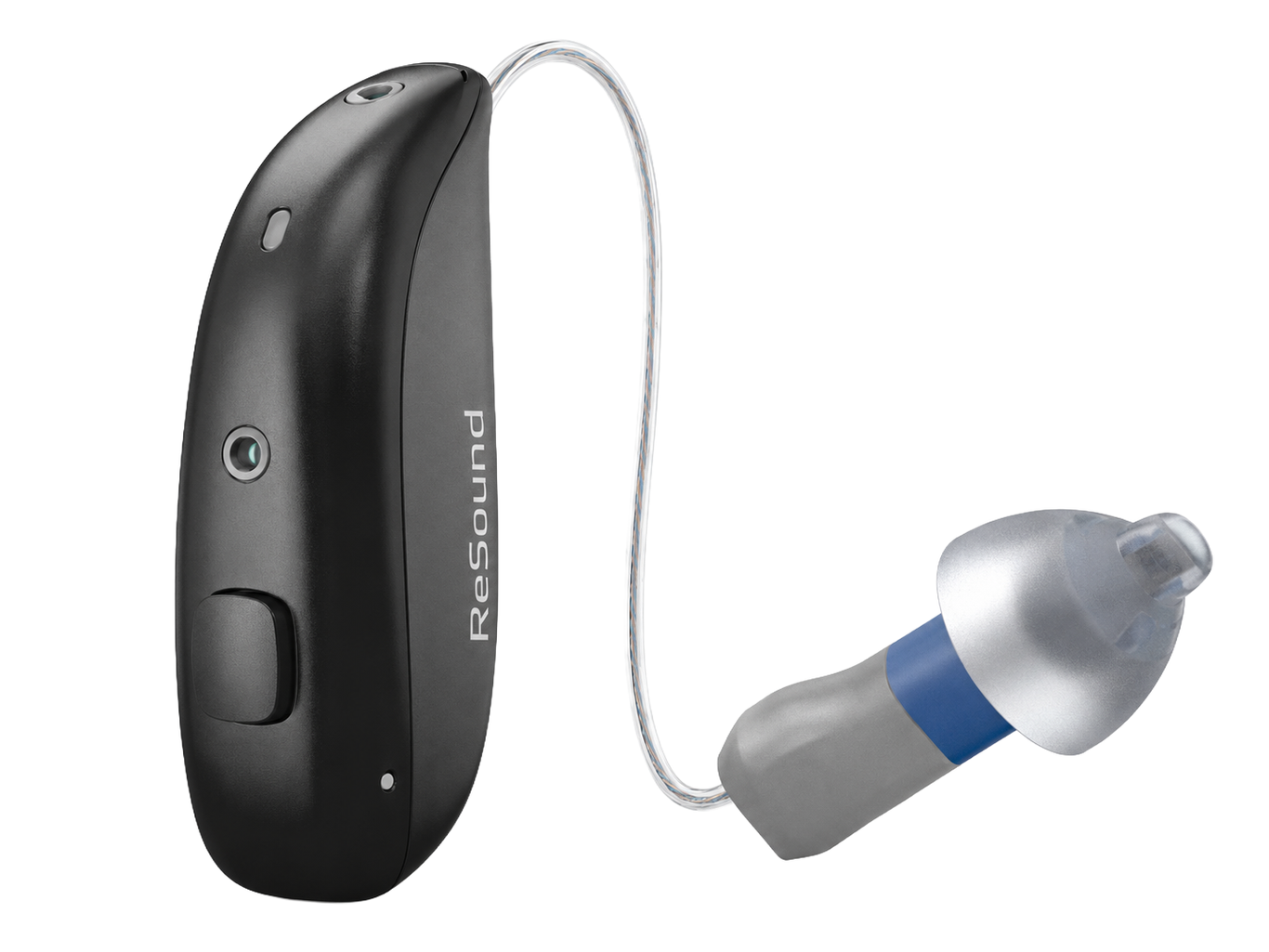
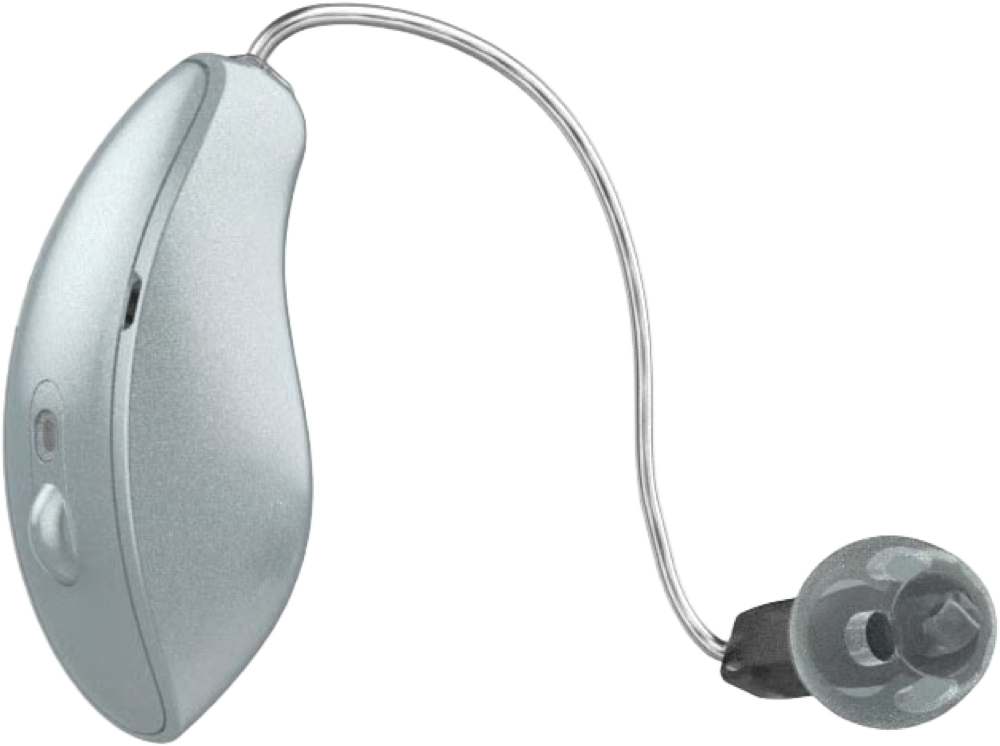
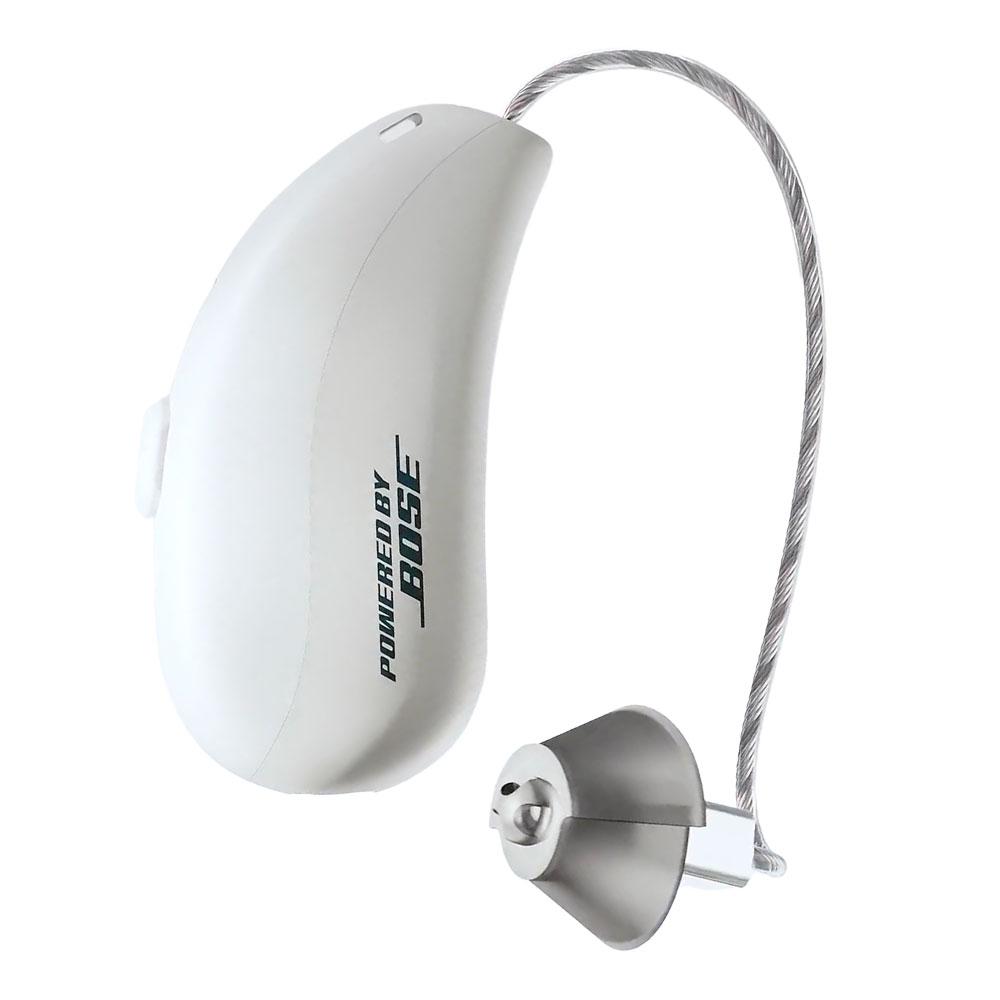
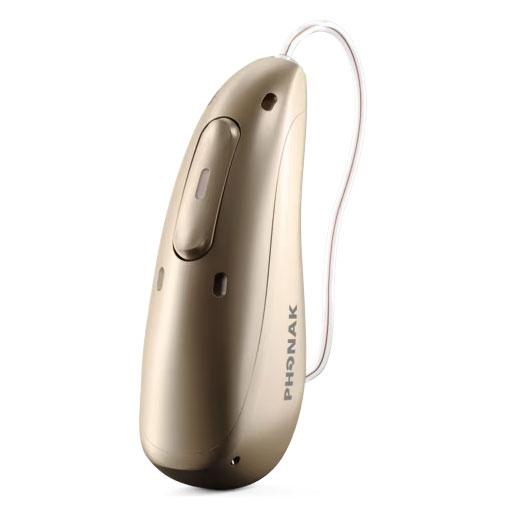
Welcome to HearingTracker's hearing aid comparison tool—the easiest way to compare hearing aids online! Our tool will allow you to compare hardware and software features, sound quality, and accessories between hearing aid models.
Frequently Asked Questions (FAQ) About Our Audio Recordings
Sound recordings were collected by our partner HearAdvisor using real hearing aids that were specifically programmed to meet the needs of someone with mild sloping to moderate hearing loss. This type of hearing loss was chosen because it is a very common pattern of age-related hearing loss. However, keep in mind that if you have more or less hearing loss, or a different pattern of hearing loss, HearAdvisor's audio samples will not be representative of the sound you would hear with hearing aids configured for your own unique hearing loss. Remember, nothing beats a real trial with real hearing hearing aids.
To hear your best with common age-related hearing loss, it's important that hearing aids provide adequate high-frequency (high tone) amplification. Emphasizing the high frequencies can alter the sound quality substantially, leading to a less natural sound on first impression. But ultimately, replacing those missing high frequency sounds (that haven't been heard clearly in so long) is the key to understanding speech better.
So while you're listening to these sound samples, remember that what sounds best from a sound quality perspective may not align with what provides the greatest benefit to speech clarity. If you're an experienced hearing aid user, you'll know well that hearing aids can seem unnatural and overly bright initially, but over time you acclimatize and retrain your brain to hear in a more natural way.
We also encourage your to go beyond the sound samples, and click through to view the HearAdvisor ratings for performance in quiet and noisy settings, as well as ratings for own voice quality, feedback issues, and audio streaming quality. HearAdvisor's ratings are critical to understanding the benefit side of the equation.
"Open-fit" hearing aids are hearing aids that leave your ear canal open. All of the prescription devices tested to date by HearAdvisor are considered open-fit hearing aids. "Closed-fit" hearing aids are those that seal off your ear canal with either a tight custom mold or rubber / silicone ear tip that lets little to no air in or out. Devices such as the Sony CRE-C10, Jabra Enhance Plus, and Apple AirPods Pro 2 are considered closed-fit devices.
The open-fit configuration has several implications for sound quality, benefit with hearing aids, sound localization, and hearing in noise:
1. Sound Quality: In the real world, open-fit hearing aids generally provide a more natural sound quality because they do not block the ear canal. By combining natural and amplified sound, open-fit hearing aids create a more balanced listening experience.
2. The Occlusion Effect: Open-fit hearing aids prevent the occlusion effect, which is the sensation of hearing your own voice as if speaking into a barrel.
3. Benefit with Hearing Aids: Open-fit hearing aids are particularly beneficial for individuals with mild to moderate high-frequency hearing loss. This is because they can amplify high-frequency sounds while still allowing low-frequency sounds to enter the ear naturally. This configuration helps users maintain a sense of spatial awareness and natural sound quality, making the transition to using hearing aids easier.
4. Sound Localization: Sound localization is the ability to determine the source and direction of a sound. Open-fit hearing aids allow for a better sense of sound localization compared to traditional behind-the-ear () hearing aids because they do not block the ear canal. By allowing natural sound to enter the ear, users can better utilize their residual hearing and spatial cues to localize sounds.
5. Hearing in Noise: Open-fit hearing aids can struggle in noisy environments because they allow background noise to enter the ear along with the amplified signal. To address this issue, many open-fit hearing aids incorporate advanced features like directional microphones and noise removal to improve speech understanding in noisy situations. While these technologies can help, users with more severe hearing loss or those who struggle in very noisy environments may find traditional BTE or in-the-ear () hearing aids with a closed fit more beneficial.
6. Wireless streaming: Open-fit hearing aids allow sound to escape from the ear canal due to their open design. This can result in a decrease in overall sound quality, particularly at higher volumes or with bass-heavy audio content. Closed-fit hearing aids provide better sound isolation, which can lead to richer and fuller sound quality during streaming. However, keep in mind that situational awareness will suffer with closed-fit hearing aids as they will more effectively block outside sounds.
While open-fit hearing aids offer several advantages over closed-fit hearing aids, they may not be the best choice for everyone, especially those with severe hearing loss or who need better performance in noisy environments. We recommend working closely with an audiologist to determine the most appropriate hearing aid style and features for your individual needs.
When listening to the audio samples below, you may be tempted to believe that over-the-counter () hearing aids, like the Jabra Enhance Plus, are just as good as prescription (Rx) hearing aids. In some cases, OTC hearing aids can offer the same performance as prescription devices, but there are some important caveats to consider:
Mild-to-moderate hearing loss: OTC hearing aids are specifically geared for users with no greater than mild-to-moderate hearing loss. When optimized for users with mild-to-moderate hearing loss, some OTC devices are capable of performing at or close to the level of Rx devices. However, had HearAdvisor tested devices programmed for a more severe hearing loss, the OTC devices would have been completely ineffective. The Rx devices tested are capable of providing much more amplification in order to meet the needs of users with severe or even profound hearing loss.
Tuned Fit: HearAdvisor optimized the amplification of OTC and Rx devices in a lab using sophisticated tools to assist with applying appropriate sound levels for the target hearing loss. Most end users are unlikely to achieve such perfectly-beneficial settings on their own with OTC devices. On the other hand, if you seek an audiologist who performs real-ear measurements, it's likely that you can achieve HearAdvisor's Tuned Fit settings with Rx devices.
All hearing aids were programmed or adjusted to best meet the audibility needs for a person with mild sloping to moderate hearing loss. Audibility simply means how much speech sound information is made available to the listener. Beyond optimizing tone-by-tone amplification, HearAdvisor also used a series of decision trees, documented in the white paper found on HearAdvisor.com, to select specific listening programs or noise-handling features. The audio samples presented below represent the "Tuned Fit" settings, which is relevant when following the documented decision trees.
How to Compare Hearing Aids
Before using the hearing aid comparison tool, it might be a good idea to understand which hearing aid features can be reasonably compared across brands and models..
Features you should consider when comparing hearing aids
Hearing aid style - There are several types of hearing aids on the market today; everything from invisible in the canal () aids that are almost completely hidden to powerful behind the ear () hearing aids. Each style comes with its own pros and cons to be sure visit our hearing aids guide for more information.
Amplification capabilities - The perfect hearing aid style won't matter if it doesn't have the capability of meeting your hearing loss prescription. If you have a profound hearing loss, you won't be able to wear tiny invisible hearing aids. You should always consider amplification capabilities when comparing devices.
Color - You have three approaches when considering color. Either you want them to be invisible, you don't care what they look like, or you want them to be fashionable.
- Telecoils are amazing pieces of wireless technology. They can help you connect to looped facilities like churches and theaters. They can also help you hear better on a phone that is telecoil ready. If you have a substantial hearing loss, you would be silly to overlook the telecoil.
Rating - An IP68 is the highest rating you can get. The first number indicates dust and particulate resistance (6). The second number is the moisture resistance (8). If you spend much time in moist or dirty environments, or have a tendency to perspire, this should be an important consideration.
Batteries - Disposable batteries have been reliable for years while rechargeable batteries are changing the game in terms of convenience. Either way, make sure you understand the pros and cons of each.
Battery Size - If you do select disposable, you have a variety of sizes to choose from. The smaller the battery, the shorter the battery life. However, smaller batteries usually afford you a smaller hearing aid. Just make sure you identify if size or power are important factors for you.
Phone connectivity - Many hearing aids can now stream audio from both iPhone and Android smartphones. Hands-free phone calls are generally only supported with iPhone, though there are some models that handle hands-free calling for all smartphones. Be sure to check out our Bluetooth page for more information on the available devices and options.
Tinnitus relief features - If you have tinnitus, you may want to consider a tinnitus masker inside of your hearing aids. There are a variety of tinnitus masking styles so make sure you evaluate them all before making a decision.
Push button availability - Most hearing aids have push button availability. However, you may want more than just a push button for program changes. You may also want a volume control. To allow for these features, you may need a larger hearing aid. Today, most hearing aids also allow the user to make program and/or volume changes using their smartphone.
Accessories - Different hearing aids have access to different accessories. Make sure you consider which accessories you may need or want and select a hearing aid that has access to these accessories. If you need help, Hearing Tracker’s Help Me Choose tool takes into consideration your accessory needs and preferences.
Feedback cancelers - is critical to providing adequate amplification and a positive listening experience. Be sure to check out HearAdvisor's ratings for feedback cancellation by visiting our product pages for the full score breakdowns.
Noise handling - Hearing better in background noise is the #1 priority of most hearing aid users. Be sure to check out HearAdvisor's ratings for speech in noise by visiting our product pages for the full score breakdowns.
Dr. Bailey is a leading expert on consumer technology in the audiology industry. He is a staunch advocate for patient-centered hearing care and audiological best practices, and welcomes any technological innovation that improves access to quality hearing outcomes. Dr. Bailey holds an Au.D. from Vanderbilt University Medical Center.
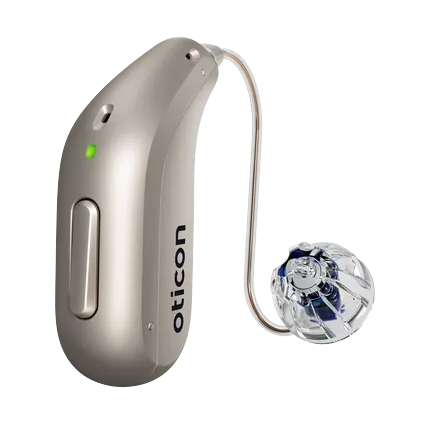
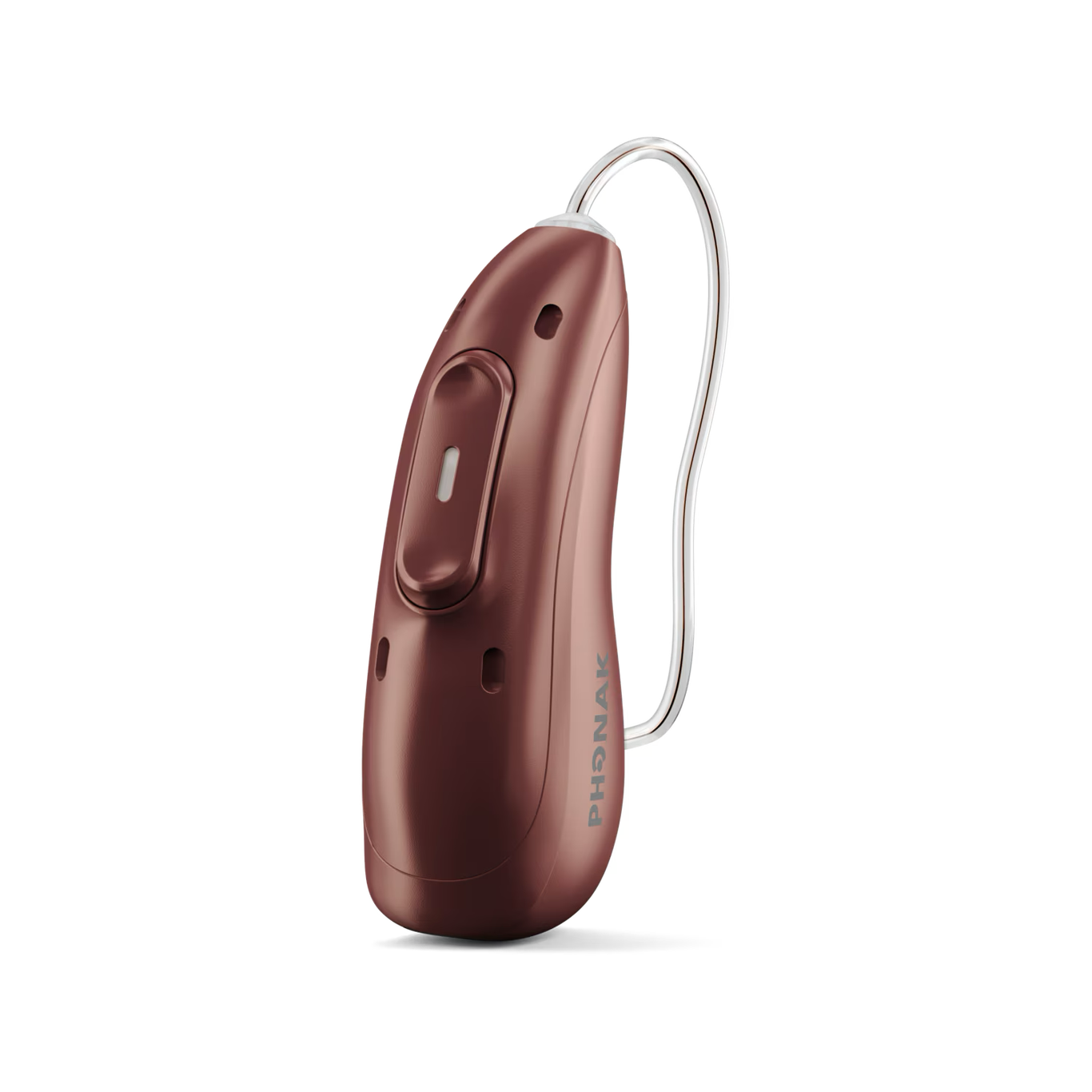
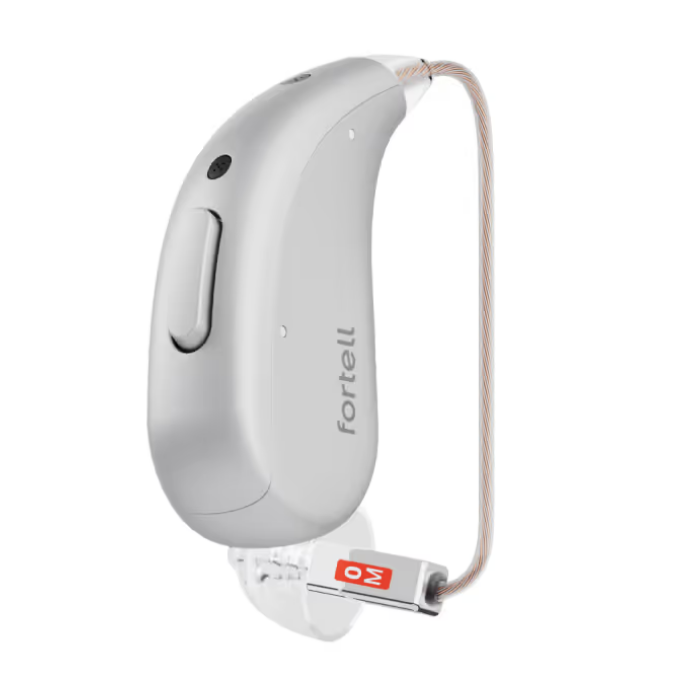
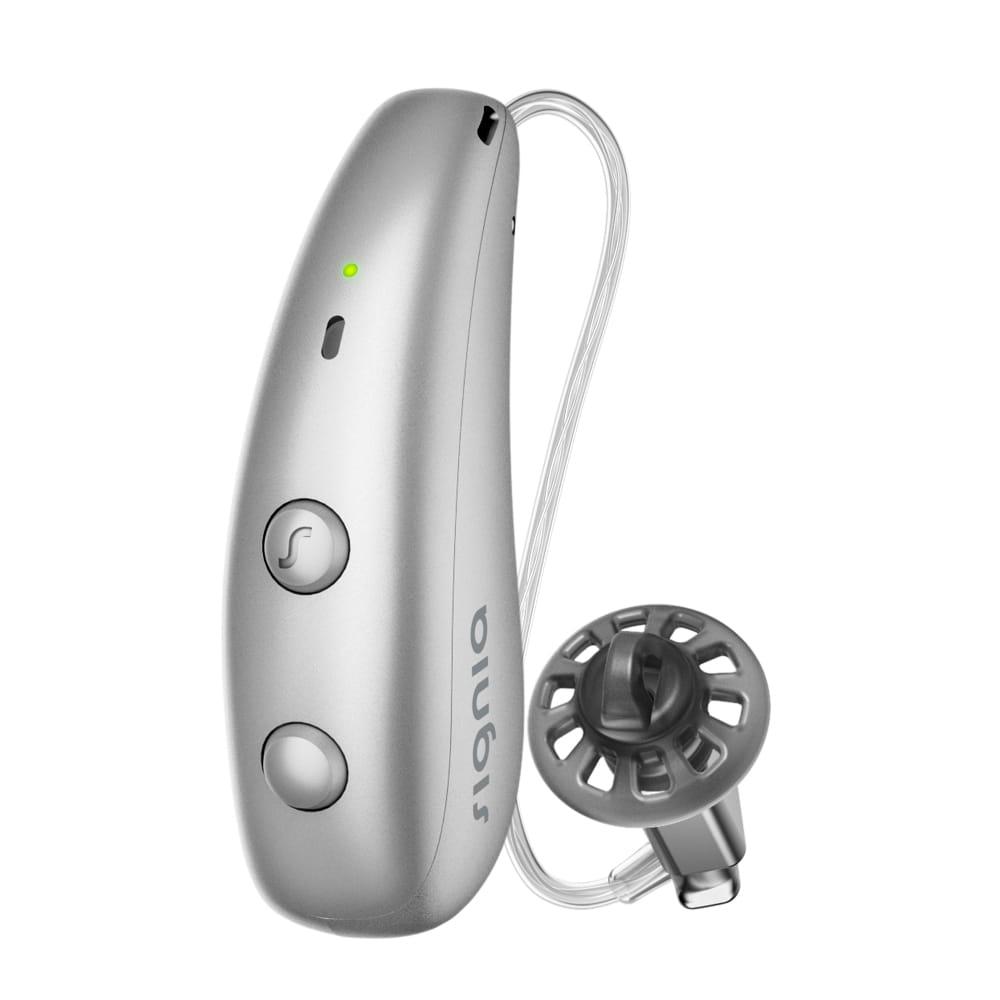
)
![Best Hearing Aids of 2026? 6 NEW Flagship Models Compared [Compilation]](/_next/image?url=https%3A%2F%2Fi.ytimg.com%2Fvi%2FbKc1qiObS8c%2Fmaxresdefault.jpg&w=1280&q=40 "Best Hearing Aids of 2026? 6 NEW Flagship Models Compared [Compilation]")

